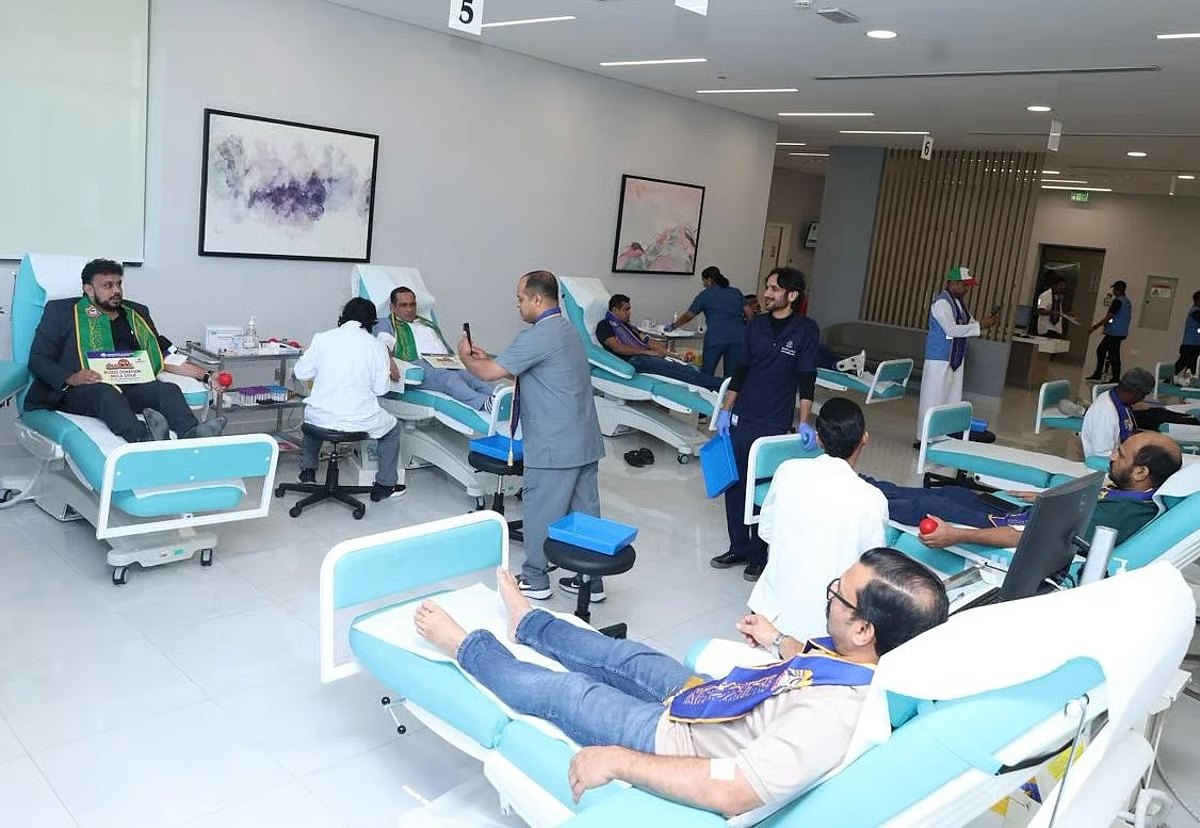

The United Arab Emirates (UAE) has seen a significant increase in blood donation efforts this year, with recent campaigns reaching multiple cities. Health officials report approximately 8,000 voluntary blood and plasma donations collected across the country, excluding urgent medical cases, as part of consistent outreach programs. These campaigns are crucial for maintaining adequate blood supplies for both routine medical procedures and emergency situations.
Recent initiatives have focused on mobile donation camps held in Sharjah, Dubai, Al Ain, and Abu Dhabi. A campaign event took place in Dubai yesterday, following a series of similar drives, with the latest efforts concentrated in Al Ain today and scheduled for Abu Dhabi tomorrow. These localized events aim to improve accessibility and encourage greater participation in blood donation.
The Importance of Regular Blood Donation in the UAE
Maintaining a stable blood donation rate is a continuous challenge for healthcare systems globally, and the UAE is no exception. Adequate blood reserves are vital for treating patients with conditions such as trauma injuries, anemia, and those undergoing major surgeries. The UAE’s diverse population and increasing healthcare demands contribute to the need for ongoing recruitment of blood donors.
According to the World Health Organization, a country must achieve a 1%–3% of its population as regular blood donors to meet its basic needs. The UAE’s population is approximately 9.9 million as of 2023, meaning the country potentially requires between 99,000 and 297,000 donations annually. While 8,000 donations represent a substantial contribution, expanding donor participation remains a key priority.
Factors Influencing Blood Supply
Several factors can influence the availability of safe blood for transfusions. Seasonal fluctuations in illness and travel patterns can impact donor numbers. Furthermore, specific blood types are often in higher demand than others, creating localized shortages.
The Ministry of Health and Prevention actively works to streamline the blood banking process and ensure the highest standards of safety are maintained. Rigorous screening procedures are in place to test donated blood for infectious diseases, protecting both the recipients and the potential donors.
Expanding Access and Raising Awareness
The series of mobile donation camps represents a strategic shift towards increased accessibility. Traditionally, individuals needing to donate had to visit designated blood centers. By bringing the donation process directly to communities, organizers aim to reduce barriers to participation.
Health authorities have also emphasized the importance of public awareness campaigns in promoting voluntary blood donation. These initiatives typically highlight the life-saving impact of blood donations and address common misconceptions about the process. Social media and community outreach events play a significant role in disseminating information.
The UAE Blood Bank Association and other organizations collaborate with hospitals and clinics to promote blood donation. They often partner with corporations and schools to organize donation drives, further expanding their reach to potential donors. This collaborative approach is crucial for sustaining long-term donor engagement.
Plasma Donation Gains Prominence
Alongside whole blood, there’s growing emphasis on plasma donation. Plasma, the liquid portion of blood, is used to create therapies for various conditions, including immune deficiencies and bleeding disorders. The need for plasma-derived therapies is increasing globally.
Plasma donation is a separate process from whole blood donation, often taking longer and utilizing a different technique called plasmapheresis. It involves collecting plasma while returning the red blood cells and other components to the donor. The recent campaigns indicate an effort to bolster plasma supplies alongside traditional blood donations.
The UAE’s healthcare infrastructure continues evolving to meet the specialized demands of treatment, and sufficient blood supplies (including plasma) are a foundational element of this progress.
The scope of eligibility for blood donation in the UAE is defined by the Ministry of Health and Prevention, typically involving age, weight, health status, and recent travel history. Detailed criteria are available on their official website and at donation centers.
Looking ahead, continued monitoring of blood bank inventories and donor participation rates will be essential. The Ministry of Health and Prevention is likely to evaluate the effectiveness of the recent mobile donation camps and consider expanding similar initiatives to other areas of the UAE. The success of future efforts also depends on ongoing collaboration between healthcare providers, community organizations, and individual donors. Details regarding future campaigns and specific blood needs should be available through official government channels in the new year.