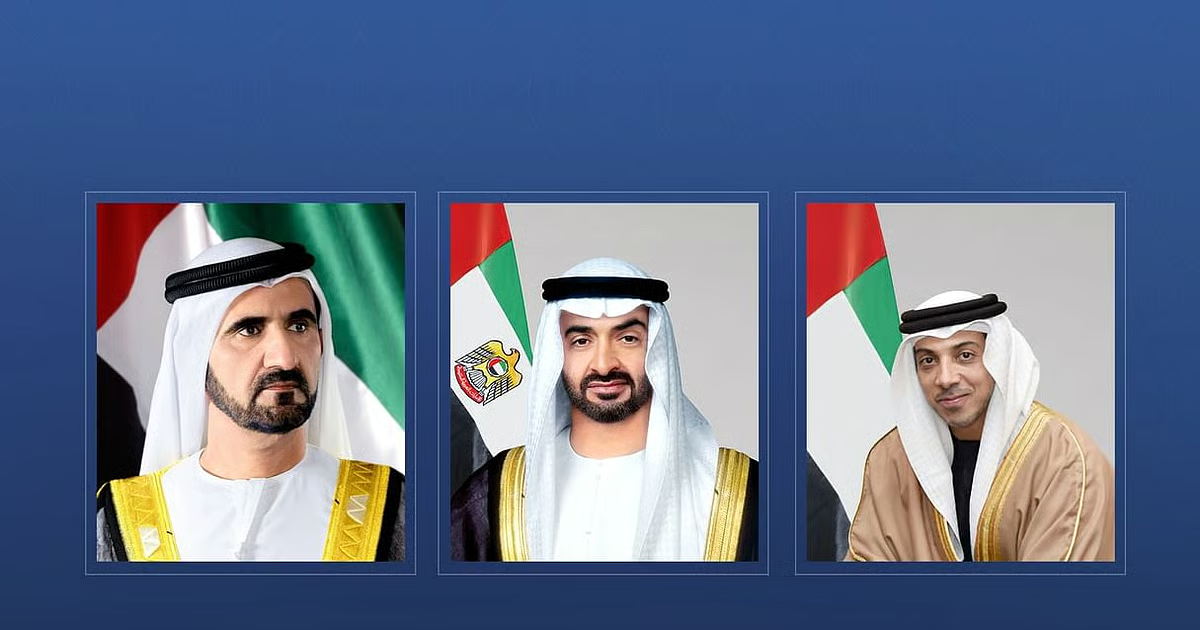

Dubai, UAE – In a coordinated diplomatic effort, His Highness Sheikh Mohammed bin Rashid Al Maktoum, Vice President, Prime Minister and Ruler of Dubai, and His Highness Sheikh Mansour bin Zayed Al Nahyan, Vice President, Deputy Prime Minister and Chairman of the Presidential Court, have sent messages to numerous global leaders. The dispatches, delivered to heads of state and prime ministers across various nations, focused on strengthening bilateral relations and discussing matters of mutual concern, reflecting the United Arab Emirates’ ongoing commitment to international cooperation and diplomacy. This move underscores the UAE’s proactive role on the world stage.
The messages were dispatched this week, though the exact timing and full recipient list have not been publicly released. The UAE’s state news agency, WAM, confirmed the general nature of the communications, stating they were an expression of goodwill and a desire to foster collaboration. Sources suggest discussions may have included economic partnerships, regional stability, and ongoing global challenges like climate change and energy security.
Strengthening International Diplomacy Through Direct Engagement
The UAE has consistently prioritized a foreign policy based on peaceful coexistence and constructive dialogue. This latest initiative demonstrates a continued emphasis on direct engagement with key international players. Rather than relying solely on multilateral forums, the UAE often undertakes bilateral outreach to address specific concerns and build stronger ties. This approach is central to its ambition to act as a bridge between differing viewpoints.
Context of Regional Efforts
This diplomatic push arrives amidst complex geopolitical dynamics in the Middle East and globally. The UAE is actively involved in mediation efforts in several regional conflicts, and these messages likely aim to reinforce those initiatives. Additionally, the nation is preparing to host the 2028 United Nations Climate Change Conference (COP28), and securing international support for its agenda is a vital priority.
According to analysts at the Middle East Institute, the UAE’s “economic diplomacy” – leveraging its financial resources and strategic investments – is becoming increasingly influential. This strategy is seen as complementary to its more traditional diplomatic efforts. The UAE is a significant investor in renewable energy projects worldwide, and these investments are often linked to broader political and economic objectives.
The timing also coincides with shifts in global power structures and the increasing importance of partnerships in navigating shared challenges. The UAE is actively diversifying its alliances, forging closer ties with nations across Asia, Africa, and South America, as well as maintaining strong relations with its traditional partners in the West. This diversification is a key element of its national security and economic resilience.
While the content of each message is tailored to the individual recipient, common themes are expected to include the UAE’s commitment to promoting stability and prosperity in the region and its desire to collaborate on global issues. The messages follow previous high-level meetings and visits by UAE officials to various countries. These interactions lay the groundwork for deeper cooperation in areas such as trade, investment, and security.
The UAE’s commitment to fostering strong international relations has been demonstrated through its hosting of numerous international events and its active participation in global initiatives. Its strategic location and robust economy make it a crucial hub for trade and a sought-after partner for many nations. This latest act of political communication follows this well-established pattern.
Observers note that Sheikh Mansour’s parallel dispatch of messages suggests a broadening of the UAE’s diplomatic outreach. Previously, such communications were often primarily associated with Sheikh Mohammed bin Rashid. This could signify a more distributed approach to representing the UAE’s interests internationally. The Presidential Court, under Sheikh Mansour’s leadership, plays a pivotal role in shaping and coordinating the UAE’s foreign policy agenda.
The UAE’s foreign policy is also strongly influenced by its economic ambitions, particularly its “Operation 30×30” which seeks to increase the contribution of industry to the national GDP. Successful implementation of this plan relies on attracting foreign investment and establishing robust trade links which require a stable international landscape.
In contrast to some regional actors who have adopted a more confrontational stance, the UAE consistently emphasizes de-escalation and dialogue. However, this commitment to diplomacy is coupled with a firm resolve to protect its national interests and security. The country has significantly invested in its defense capabilities in recent years, acknowledging the necessity of both “hard power” and “soft power” in a volatile world.
The UAE is also highly focused on promoting tolerance and understanding. The Ministry of Foreign Affairs has launched several initiatives to foster interfaith dialogue and cultural exchange. These efforts align with the country’s broader vision of a peaceful and inclusive global society.
Looking ahead, the UAE will likely continue its active engagement with world leaders, particularly as preparations for COP28 intensify. The specific outcomes of these recent communications remain to be seen, but they underscore the nation’s determined effort to play a leading role in tackling global challenges. Further announcements regarding specific collaborative projects or agreements stemming from these discussions are expected in the coming weeks and months, though the level of detail released publicly is uncertain.
The success of the UAE’s diplomatic initiatives will depend on a multitude of factors, including the evolving geopolitical landscape and the willingness of other nations to engage in constructive dialogue. Monitoring upcoming international gatherings and official statements from the UAE’s leadership will provide further insight into the trajectory of its foreign policy.