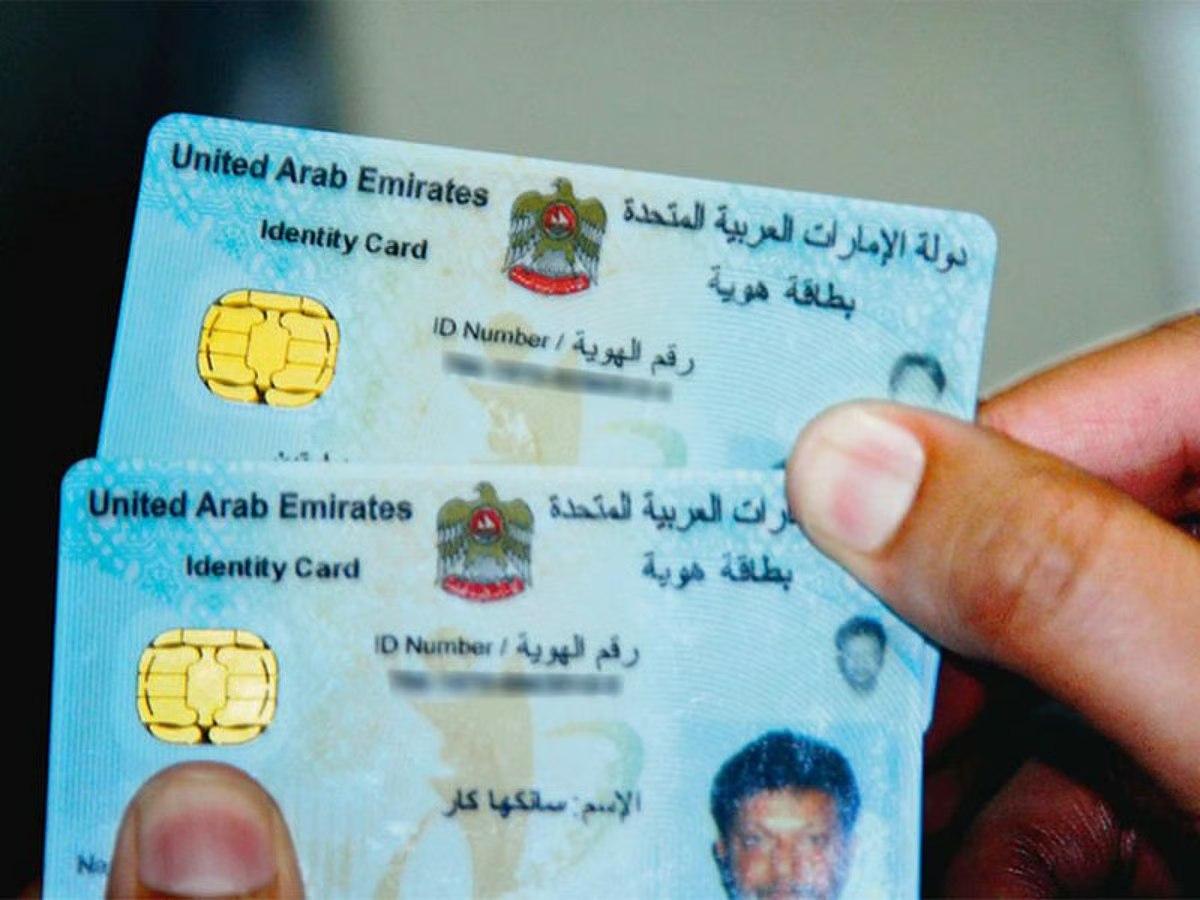

The United Arab Emirates is streamlining processes for its vulnerable populations. Abu Dhabi’s Federal Authority for Identity, Citizenship, Customs and Port Security (ICP) recently announced an initiative to automatically renew passports and Emirates ID cards for eligible senior citizens and people of determination. This program, effective immediately, removes administrative burdens and simplifies life for these residents.
Launched across the UAE, the automation applies specifically to citizens aged 60 and over, as well as individuals registered with the government’s social support program as people of determination. The changes eliminate the requirement for renewal applications and eliminates the need for in-person visits to ICP centers. This is part of a broader effort by the UAE government to improve citizen services and enhance quality of life.
Simplifying Travel Documents with Automatic Passport Renewal
The primary goal of this initiative is to reduce inconvenience for senior citizens and people of determination when maintaining valid travel documentation. Previously, these individuals faced the challenges of navigating application procedures and physically attending service centers. This new automated system addresses these obstacles directly.
According to the ICP, eligibility is determined through existing registration data within their systems. Individuals must already be enrolled in the social support program or meet the age criteria to benefit from the automated renewal. The ICP did not specify the exact number of residents expected to be covered by this initiative, but hinted at a significant portion of the eligible population.
How the Automatic Renewal Process Works
The process unfolds without any required action from the eligible residents. The ICP system continuously monitors the expiration dates of Emirates ID and passports. When a document nears expiry, the system will automatically initiate the renewal process.
Residents will be notified of the renewal via the ICP’s official communication channels, potentially including the UAE Pass app, SMS messages, or email. This notification will serve as confirmation that the renewal has been processed successfully. Those who wish to receive a physical document will still have options to do so, according to the authority.
The authority has emphasized that the security and integrity of the updated documentation remain a top priority. The automated system integrates with existing security protocols and biometric data to ensure accurate and secure renewals. This is especially critical given the increased focus on traveler identification and national security globally.
This announcement builds on previous efforts to digitize government services in the UAE. The country has been a leader in adopting technologies like blockchain and Artificial Intelligence to streamline administrative tasks and improve efficiency. For example, the UAE Pass offers citizens and residents a secure digital identity, allowing them to access various government services online.
However, it’s important to note that while the renewal is automatic, the underlying eligibility criteria remain unchanged. Individuals seeking to be added to the social support program as people of determination will still need to undergo the standard application process, which includes medical evaluations and supporting documentation. The streamlining focuses exclusively on the *renewal* of existing documents.
Meanwhile, the initiative is expected to free up resources at ICP service centers, allowing staff to focus on more complex cases and provide enhanced support to residents who require in-person assistance. This could lead to reduced wait times and improved service quality for all users.
In contrast to many countries where passport and ID renewals require significant paperwork and waiting periods, the UAE continues to position itself as a global innovator in government services. This proactive approach reflects a commitment to citizen wellbeing and efficient administration. Similar initiatives are being considered in other areas of government administration, including visa renewals and driver’s license updates.
The introduction of automatic renewal also aligns with the UAE’s vision for a digital economy. By reducing reliance on manual processes, the government is promoting greater efficiency, transparency and accessibility. This could have a ripple effect, encouraging further digital adoption across various sectors.
Furthermore, this move is predicted to have a positive impact on tourism, as senior citizens and people of determination can travel with greater confidence knowing their travel documents are automatically kept valid. This is particularly relevant as the UAE continues to promote itself as a leading tourist destination, aiming to attract visitors of all ages and abilities.
The long-term success of this initiative will depend on the ongoing maintenance and updates to the ICP’s database. Ensuring accurate and timely information regarding eligibility criteria and expiration dates will be crucial. Addressing any potential technical glitches or security vulnerabilities will also be paramount.
Looking ahead, the ICP has indicated plans to expand the scope of automated services to include other categories of residents in the future. The timeline and specific criteria for these expansions have not been announced. Monitoring updates from the ICP, and assessing the initial rollout results, will be key to understanding the program’s evolution and overall impact on the UAE’s resident population.
The authority will likely track the reduction in service center visits and the efficiency gains realized through the automation. Further announcements regarding potential enhancements to the system are anticipated in the coming months.
Ultimately, this initiative demonstrates the UAE’s commitment to leveraging technology for the benefit of its citizens, particularly those who may face challenges in navigating traditional administrative processes. The government’s proactive approach to simplifying passport and Emirates ID renewals sets a new standard for citizen-centric services in the region.