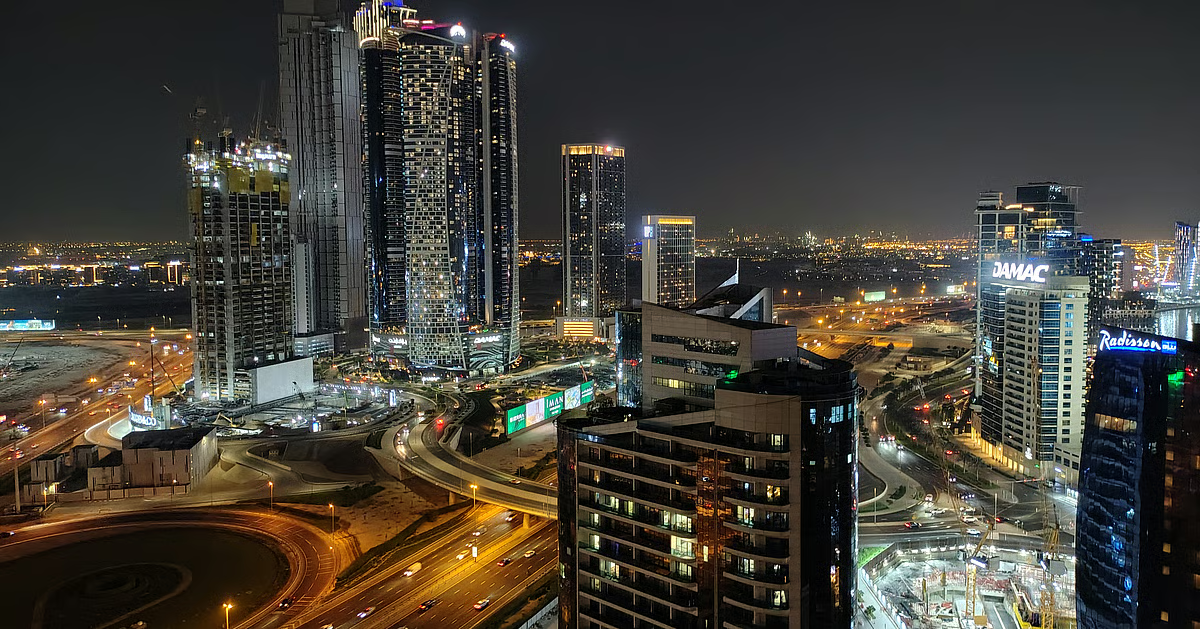

The United Arab Emirates’ (UAE) hotel sector achieved strong financial results in the first half of 2024, generating Dh89 billion in revenue, according to recent statements from the Minister of Economy. This performance was driven by a robust tourism industry and supported by the country’s extensive hotel infrastructure of over 1,200 establishments, offering more than 216,000 rooms. A key factor in this success is sustained growth in hotel revenues across the nation.
The figures, reflecting January to June 2024, indicate a continued recovery and expansion of the UAE’s tourism economy. The Minister credited this positive trend to ongoing investment in the sector, enhanced air transport links, and the UAE’s increasing prominence as a favored destination for both leisure and business travelers. These results build on positive momentum from 2023, when the UAE also reported substantial growth in tourism-related income.
Factors Driving Increased Hotel Revenues
Several interconnected factors contributed to this impressive surge in hotel revenues. The UAE has consistently prioritized investment in tourism infrastructure, including hotels, resorts, and entertainment facilities. This strategic approach has broadened the range of options available to visitors and improved the overall quality of the tourism experience.
Expanding Air Connectivity
Increased air connectivity is another crucial component of the UAE’s tourism success. Major airlines like Emirates and Etihad Airways have expanded their routes and capacity, offering more direct flights to and from key international markets. This facilitates easier travel for tourists, boosting visitor numbers. Additionally, the growth of low-cost carriers operating within the region has stimulated regional travel to the UAE.
Strategic Positioning as a Global Hub
The UAE’s deliberate positioning as a global hub for both leisure and business is also paying dividends. Dubai, in particular, has successfully cultivated a reputation for luxury tourism and major events, attracting high-spending visitors. Abu Dhabi, meanwhile, focuses on a blend of cultural tourism, family attractions, and business conferences. The country’s successful diversification of its tourism offerings has broadened its appeal.
These developments have coincided with a generally positive global economic outlook. While pockets of economic uncertainty remain, overall consumer spending on travel has demonstrated resilience. This trend is a favorable condition for the UAE.
Impact on the UAE Economy
The strong performance of the hotel sector has significant implications for the broader UAE economy. Tourism is a major contributor to the nation’s Gross Domestic Product (GDP), and increased hotel revenues translate directly into economic activity.
Beyond direct revenue, the tourism industry supports a vast network of related businesses, including restaurants, transportation services, and retail outlets. This creates numerous employment opportunities and stimulates further economic growth. The ministry said that the sector supports both skilled and unskilled labor contributing to social stability.
Experts also point to a positive ripple effect on other sectors, such as real estate and construction. Demand for hotel rooms often drives investment in new hotel developments, further fueling economic expansion. The increased demand has also contributed to rising occupancy rates across the Emirates, which is an important indicator of sector health.
Regional Performance and Variations
While the nationwide figures are encouraging, performance varied slightly across the different Emirates. Dubai and Abu Dhabi, the two largest tourism destinations, accounted for the bulk of the hotel revenues. However, other Emirates, such as Sharjah and Ras Al Khaimah, have also experienced notable growth in recent years, attracting different segments of travelers.
Sharjah, known for its cultural heritage and family-friendly atmosphere, has seen an increase in cultural tourism. Ras Al Khaimah, on the other hand, is developing a reputation for adventure tourism, attracting visitors interested in outdoor activities. This diversification of regional tourism strengths enhances the overall resilience of the UAE’s travel sector.
The average room rate (ARR) and revenue per available room (RevPAR) both increased during the period, indicating a greater willingness among travelers to spend more on accommodation. Further analysis suggests that the rise in both these metrics is attributable to the increased volume of high-value tourists. These metrics, alongside occupancy rates, are key performance indicators in the UAE tourism industry.
Future Outlook and Challenges
Looking ahead, the UAE aims to further solidify its position as a leading global tourism destination. Plans are underway for continued investment in infrastructure, including new hotels and attractions. The administration also intends to promote sustainable tourism practices, mindful of the environmental impact of rapid growth.
However, challenges remain. Global economic headwinds, geopolitical instability, and increased competition from other travel destinations could potentially dampen future growth. Maintaining a consistent pace of innovation and adapting to evolving traveler preferences are also crucial for long-term success.
The ministry has indicated plans to release a more detailed analysis of the hotel revenues, including a breakdown by market segment and geographic origin of tourists, later in the year. This report will offer deeper insights into the trends shaping the UAE’s tourism landscape and provide a basis for future strategic decisions. Monitoring future occupancy rates and RevPAR will be critical for assessing the ongoing health of the sector and predicting future performance.