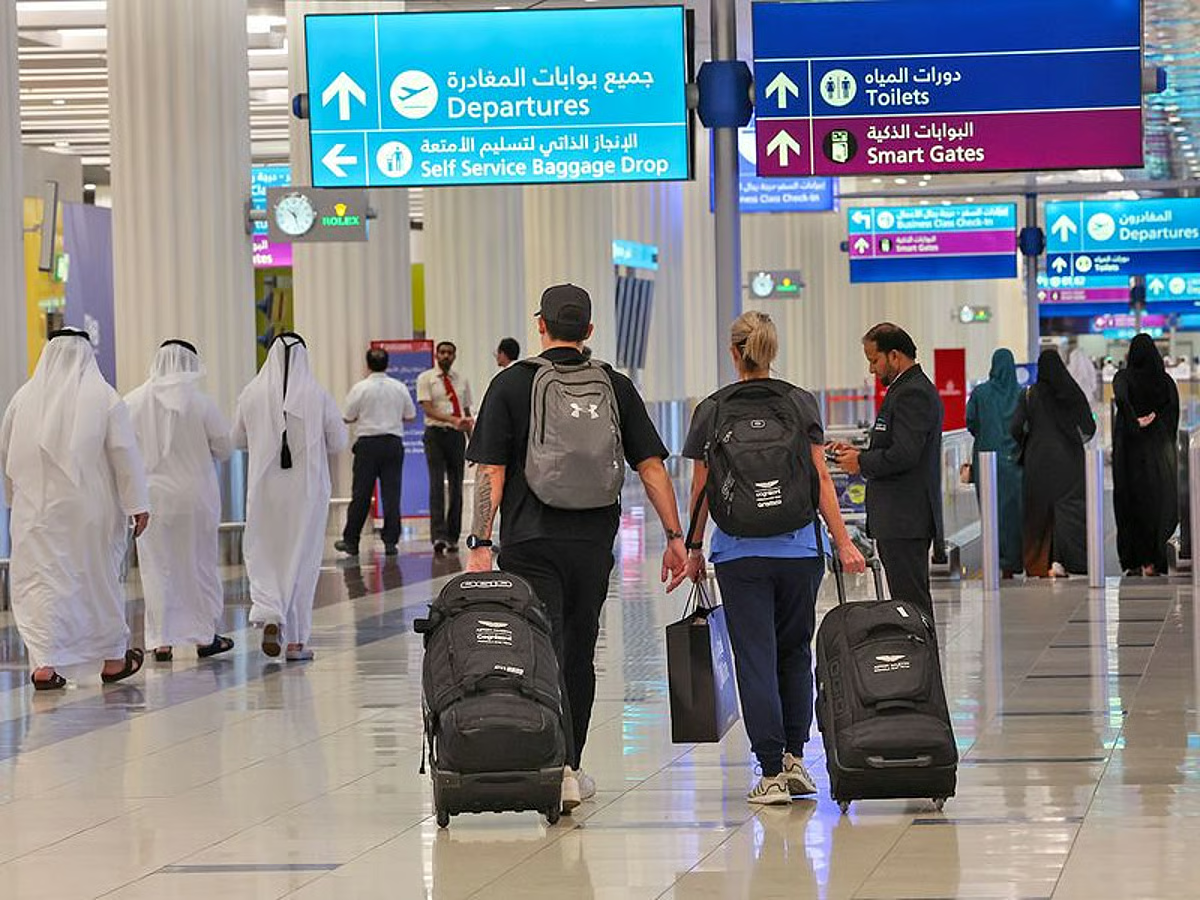

Gulf Cooperation Council (GCC) citizens are poised for easier travel within the region as a unified travel system is rolled out, starting with Saudi Arabia and Kuwait. Officials announced the initial implementation of the system this week, aiming to create a seamless experience for nationals moving between member states. The initiative, focused on streamlining GCC travel, is expected to eventually include all six nations: Bahrain, Kuwait, Oman, Qatar, Saudi Arabia, and the United Arab Emirates.
The announcement came during a meeting of GCC interior ministers, according to a statement released by the organization. Jasem Mohamed Al Budaiwi, the GCC Secretary-General, detailed the progress on both travel facilitation and defense cooperation. While the travel system is moving forward, progress on visa exemptions for European travel remains dependent on decisions made by European authorities.
Streamlining GCC Travel: What to Expect
The new unified travel system will initially allow citizens of Saudi Arabia and Kuwait to travel between the two countries using only their national ID cards. This eliminates the need for passports, simplifying border crossings and reducing travel time. The system utilizes advanced technology to verify identities and ensure security, officials stated.
The gradual expansion to include all GCC member states is planned, though a definitive timeline has not been publicly released. This phased approach allows for testing and refinement of the system before a full regional rollout. The ultimate goal is to foster greater economic and social integration among the Gulf nations.
Benefits for Citizens and Businesses
The simplified travel process is expected to benefit both individual citizens and businesses operating within the GCC. Reduced border formalities will encourage tourism and facilitate cross-border trade. For citizens, the convenience of using national ID cards instead of passports will make frequent travel for work or leisure more accessible.
Additionally, the initiative aligns with broader efforts to enhance regional cooperation and economic diversification. The GCC is actively working to reduce its reliance on oil revenues and promote non-oil sectors, such as tourism and services. Easier movement of people is considered a key component of this strategy.
Progress on GCC Defense Cooperation
Alongside the travel system, Al Budaiwi highlighted advancements in defense collaboration among the GCC states. This includes the establishment of five joint military points, designed to enhance coordination and response capabilities. The report indicates these points will likely focus on border security and counter-terrorism efforts.
An intelligence center is also being developed to facilitate the sharing of information and analysis among GCC security agencies. This center aims to improve the region’s ability to identify and address potential threats. Closer cooperation between air forces is another priority, with plans for joint exercises and standardized procedures.
Furthermore, the GCC is modernizing its early-warning network to provide improved situational awareness. This network will consolidate data from various sources and provide timely alerts on potential security concerns. Such investments in defense infrastructure demonstrate a commitment to regional stability.
Schengen Visa Exemptions Face Delays
The pursuit of visa-free travel for GCC nationals to the Schengen Area – comprising 29 European countries – continues to be a complex issue. Al Budaiwi acknowledged that the decision rests solely with European authorities, and no concrete timeframe for a potential exemption has been established. Negotiations have been ongoing for several years, but progress has been slow.
European concerns regarding security and immigration are believed to be key factors delaying the exemption. The European Union has been strengthening its border controls and tightening visa policies in recent years. GCC officials have repeatedly emphasized their commitment to security and have sought to address European concerns.
In contrast to the internal GCC travel initiative, securing a Schengen visa exemption requires navigating a complex web of international relations and policy considerations. The outcome remains uncertain, and depends on evolving political dynamics within Europe. The possibility of reciprocal visa arrangements is also being explored, according to diplomatic sources.
The development of a unified travel system within the GCC represents a significant step towards greater regional integration. This initiative, coupled with ongoing defense cooperation, underscores the commitment of member states to strengthen ties and address shared challenges. However, the path to visa-free access to Europe remains unclear.
The next step involves the full integration of Saudi Arabia and Kuwait into the new system, followed by the onboarding of other GCC nations. Officials have indicated that the rollout will be data-driven, with adjustments made based on performance and feedback. The key uncertainty remains the pace of expansion and the potential for unforeseen technical or logistical hurdles. Monitoring the progress of the Schengen visa negotiations will also be crucial, as the outcome will significantly impact the international mobility of GCC citizens.