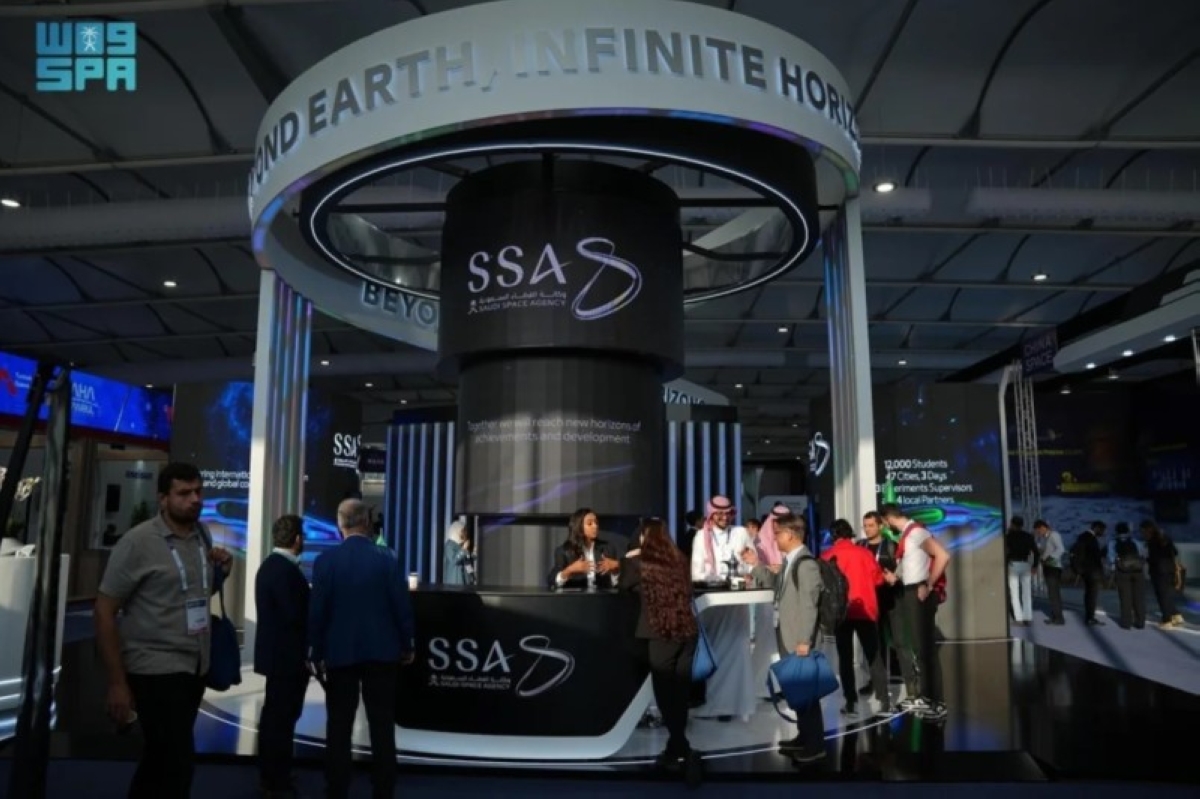

Riyadh – The Saudi Space Agency successfully launched two domestically designed satellites into orbit on Saturday, a significant step forward for the Kingdom’s growing space program. The satellites, developed by student teams from Umm Al-Qura University and Prince Sultan University, represent the culmination of the SARI competition, focused on fostering local expertise in space technology. This launch underscores Saudi Arabia’s commitment to diversifying its economy and investing in scientific innovation.
The launch took place as part of an international space mission, with the Saudi Space Agency confirming the successful deployment of both satellites. This achievement follows a rigorous competition involving 42 Saudi universities and over 480 student teams, all striving to meet stringent scientific and engineering requirements. The project highlights a national effort to build capacity in the space sector and empower the next generation of Saudi scientists and engineers.
Advancing Saudi Arabia’s Space Capabilities with Student-Built Satellites
The SARI competition, initiated by the Saudi Space Agency, is a key component of the Kingdom’s broader Vision 2030 plan. This plan aims to reduce reliance on oil revenue and cultivate a knowledge-based economy, with space technology identified as a strategic area for growth. The competition provides students with hands-on experience in all phases of satellite development, from initial design to final operation.
This practical experience is crucial, as Saudi Arabia seeks to establish a fully independent space program. Previously, the Kingdom primarily relied on international partnerships for space-related activities. However, recent years have seen a substantial increase in domestic investment and a focused effort to develop indigenous capabilities in areas like satellite communication and Earth observation.
The SARI Competition and its Impact
The SARI competition wasn’t simply about building functional satellites; it was about cultivating a skilled workforce. Participants gained valuable experience in areas such as systems engineering, payload development, and mission control. This focus on STEM education is expected to yield long-term benefits for the Kingdom’s technological advancement.
According to the Saudi Space Agency, the competition fostered collaboration between universities and provided students with access to specialized resources and mentorship. The two winning teams demonstrated exceptional technical proficiency and innovative approaches to satellite design. The specific payloads and objectives of each satellite have not been fully disclosed, but the agency indicated they support development and scientific research.
The launch of these satellites also represents a significant milestone in the development of the Kingdom’s regulatory framework for space activities. The Saudi Space Agency, established in 2018, is responsible for overseeing all aspects of the national space program, including licensing, safety regulations, and international cooperation. This includes navigating the complexities of space debris mitigation and orbital slot allocation.
The broader context of space exploration in the region is also noteworthy. Several other Gulf nations, including the United Arab Emirates, have made substantial investments in space technology. This regional competition is driving innovation and accelerating the development of space capabilities across the Middle East. The UAE’s successful Mars mission, Hope, serves as an inspiration for other nations in the region.
The successful launch is expected to encourage further participation in future SARI competitions and inspire more students to pursue careers in space science and engineering. The Saudi Space Agency has indicated plans to expand the scope of the competition in coming years, potentially including more advanced satellite technologies and broader participation from the private sector. This expansion could lead to the development of specialized satellite technology tailored to the unique needs of the Kingdom.
While the launch is a major achievement, challenges remain. Building and maintaining a robust space program requires sustained investment, a highly skilled workforce, and effective international partnerships. The long-term success of the program will depend on the Kingdom’s ability to address these challenges and capitalize on the momentum generated by the SARI competition.
Looking ahead, the Saudi Space Agency is expected to focus on establishing ground infrastructure for receiving and processing data from the newly launched satellites. The agency will also likely prioritize the development of a national space strategy, outlining its long-term goals and priorities for the sector. Further details regarding the specific data collected and the research initiatives supported by the satellites are anticipated in the coming months, though timelines remain subject to change.
The agency has not yet announced a firm date for the release of initial data or the commencement of specific research projects utilizing the satellite data. Observers will be watching closely for announcements regarding potential collaborations with international research institutions and the development of commercial applications based on the new space capabilities.