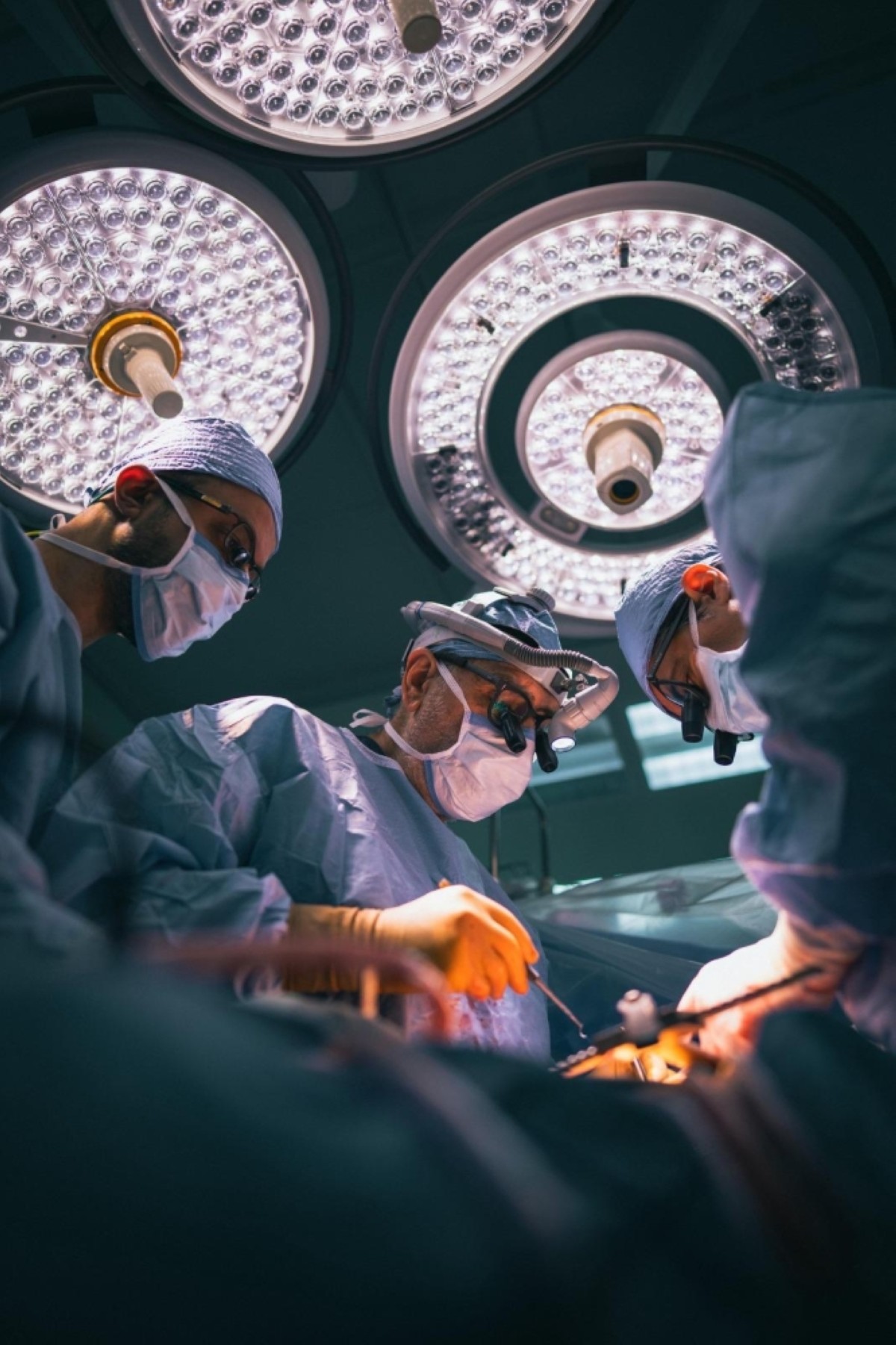

Kuwait’s healthcare system has reached a significant milestone, demonstrating its growing capabilities in complex medical procedures. The Ministry of Health recently announced the successful completion of two heart transplant surgeries at the Salman Al-Dabbous Cardiac Center, bringing the nation’s total to 13 since the launch of its national program. This achievement underscores Kuwait’s commitment to providing advanced medical care and reducing reliance on international treatment options.
Kuwait Advances in Heart Transplantation Capabilities
This latest success isn’t just about two individual surgeries; it represents a substantial leap forward for Kuwait’s medical infrastructure and the expertise of its national healthcare teams. The Ministry of Health highlighted that these complex interventions showcase the solid capacity of the national health system to handle delicate and life-saving procedures. This positions Kuwait favorably amongst countries offering cutting-edge cardiac surgery and significantly improves the quality of life for patients suffering from end-stage heart failure.
The progress is a direct result of strategic investments in both human capital – training and developing skilled medical professionals – and advanced healthcare technology. It’s a clear indicator of the national heart transplant program’s rapid development, offering a vital treatment pathway for those with limited options.
A Growing Number of Successful Procedures
The increase in successful heart transplant cases is particularly noteworthy when looking at the recent trends. Dr. Riyad Tarazi, a consultant cardiac surgeon at the Salman Al-Dabbous Center, revealed a dramatic rise in procedures.
Year-on-Year Growth in Transplant Numbers
- 2019: 1 transplant
- 2021: 1 transplant
- 2023: 1 transplant
- 2024: 2 transplants
- 2025 (to date): 8 transplants
This exponential growth, achieved in coordination with the organ procurement program, clearly demonstrates the center’s increasing clinical and technical expertise. It also reflects improved systems for identifying suitable candidates and managing the complex logistics of organ transplantation. The ability to consistently perform these surgeries is a testament to the dedication and skill of the medical staff.
Beyond Transplants: Supporting Heart Failure Patients
The Salman Al-Dabbous Cardiac Center isn’t solely focused on heart transplantation. They are also actively employing other advanced therapies to support patients with severe heart failure. This holistic approach ensures that a wider range of individuals receive the care they need, even if they aren’t immediately eligible for a transplant.
The center has successfully implanted Left Ventricular Assist Devices (LVADs) in 84 patients. These devices mechanically assist the heart in pumping blood, serving as a “bridge to transplant” for those awaiting a donor organ, or as a long-term therapy for patients who aren’t candidates for transplantation.
Additionally, the team has utilized IMPELLA 5.5 heart support devices in 20 cases. These are temporary mechanical support systems used in acute circulatory collapse or during complex interventions to stabilize blood flow and allow the heart to recover. The successful implementation of both LVADs and IMPELLA devices showcases the center’s comprehensive approach to managing advanced heart disease.
Strengthening Kuwait’s Medical Self-Sufficiency
The Ministry of Health’s announcement emphasizes a broader goal: strengthening Kuwait’s national medical footprint in both heart and organ transplantation. This isn’t just about providing treatment; it’s about building a robust and self-sufficient healthcare system capable of addressing the complex needs of its population.
This commitment involves continuous training for national medical cadres, strategic investments in cutting-edge medical infrastructure, and ongoing collaboration with international experts. By fostering a culture of innovation and excellence, Kuwait is steadily reducing its reliance on sending patients abroad for specialized treatment. This not only improves patient outcomes but also contributes to the nation’s economic well-being. The development of a strong national organ transplant system is a key component of this strategy, ensuring ethical and efficient organ allocation and maximizing the impact of this life-saving resource.
Furthermore, the success of these procedures attracts medical tourism, potentially establishing Kuwait as a regional hub for advanced cardiovascular care.
Looking Ahead: Continued Investment and Growth
The recent achievements in heart transplantation and advanced heart failure support are a source of national pride for Kuwait. The Ministry of Health remains steadfast in its commitment to further developing these capabilities, ensuring that Kuwaiti citizens have access to the highest quality healthcare services.
This includes ongoing research, the adoption of new technologies, and the continued training and development of specialized medical personnel. The focus will remain on delivering patient-centered care, improving outcomes, and solidifying Kuwait’s position as a leader in regional healthcare.
For those seeking more information about the national heart transplant program or advanced cardiac care options in Kuwait, contacting the Salman Al-Dabbous Cardiac Center directly or visiting the Ministry of Health’s website is recommended.