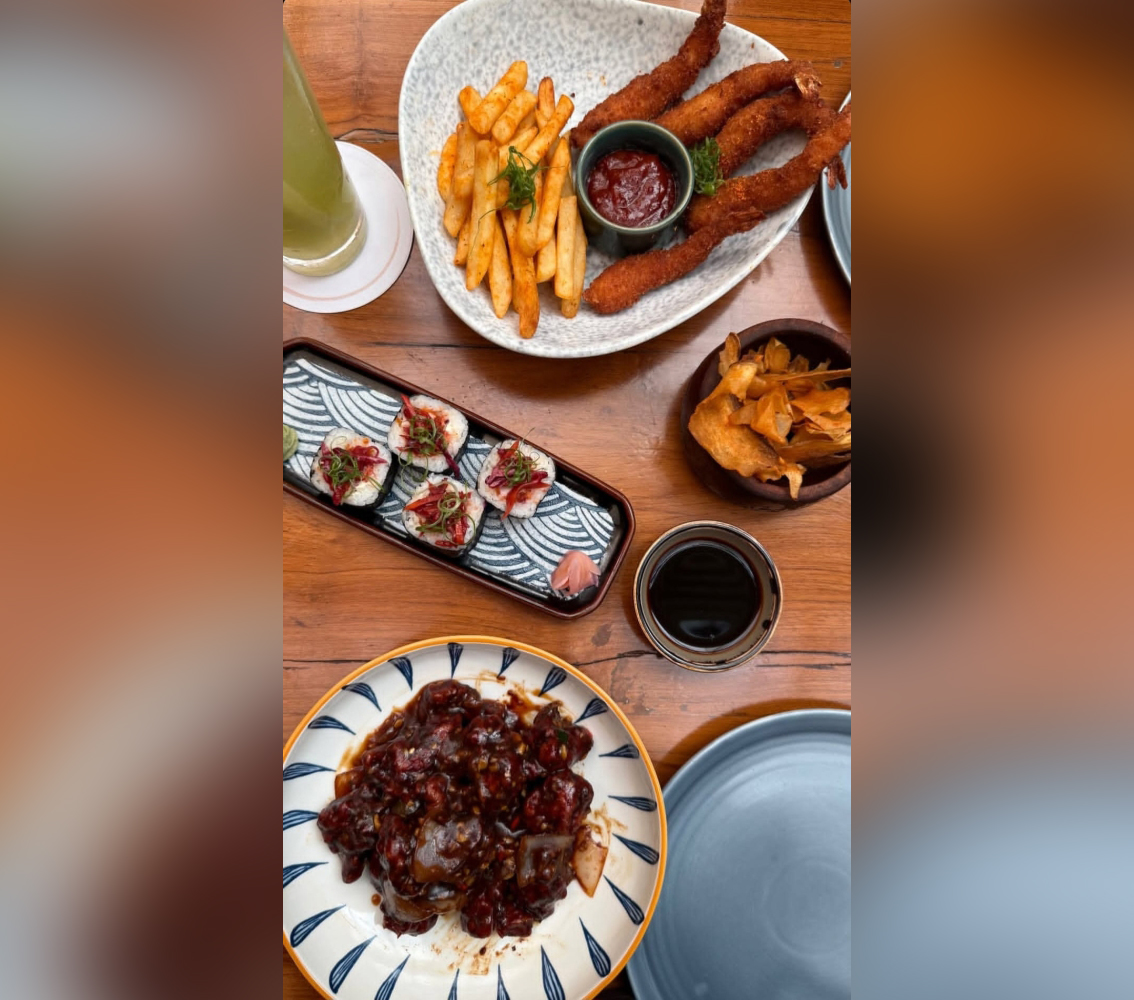

Doha, Qatar – Celebrated annually on January 16th, International Spicy Food Day highlights the growing global appreciation for bold flavors and the use of spicy food. In Qatar, a nation known for its diverse culinary scene, the demand for and enjoyment of spicy dishes has steadily increased, moving beyond a niche trend to become a mainstream preference.
The Rising Popularity of Spicy Food in Qatar
Over the past two decades, Qatar’s dining landscape has undergone a significant transformation, mirroring the country’s rapidly expanding multicultural population. With residents hailing from over 100 nationalities, a wide array of global cuisines – and their associated spice levels – have become readily available. This influx of diverse palates has fueled a growing appetite for chilli cuisine and other spicy delicacies.
This isn’t simply about replicating authentic flavors; it’s about adaptation and innovation. Restaurants throughout Qatar are increasingly offering “extra spicy” options, catering to a clientele eager to test their limits. Many establishments now clearly label spice levels, empowering diners to make informed choices.
A Cultural Exchange on the Plate
The influence of South Asian cuisines, particularly Indian and Sri Lankan, is prominent, with rich, chilli-infused curries and biryanis being popular choices. Southeast Asian flavors, known for their use of sambals and fiery salads, also contribute significantly to the spicy food scene.
Additionally, cuisines from Africa, Mexico, and Korea each bring their unique expressions of heat to Qatar’s tables. This creates a dynamic culinary environment where diners can experience a global spectrum of spice without leaving their city. One Filipino expat noted that living in Qatar has allowed them to explore a wider range of spicy dishes than ever before.
Beyond Flavor: The Functional Benefits of Spice
The appeal of spicy food in Qatar extends beyond mere taste. Capsaicin, the chemical compound responsible for the sensation of heat, is known to trigger perspiration, which can have a cooling effect in warm climates. This physiological response aligns with the historical use of spices in traditional cuisines developed in hot regions, where they served both as flavoring agents and as a means of regulating body temperature.
Chefs in Qatar emphasize that spice, when used skillfully, enhances rather than overwhelms a dish. The key, they say, is to create a balance that excites the palate without causing discomfort. Furthermore, spicy food often carries deep cultural significance, with each ingredient and preparation method telling a story of heritage and tradition.
The growing interest in spice isn’t just about seeking heat; it’s about a desire for authentic culinary experiences and a deeper understanding of different cultures. Sharing spicy food becomes a way of sharing identity and fostering connection within Qatar’s diverse community.
Looking ahead, the trend towards spicier flavors is expected to continue in Qatar. Restaurants will likely further refine their spice offerings, catering to increasingly sophisticated palates. The ongoing development of the hospitality sector, coupled with the country’s commitment to cultural exchange, suggests that spicy food will remain a prominent and evolving feature of Qatar’s culinary landscape. The extent to which local Qatari cuisine incorporates more prominent spice elements remains to be seen, but the increasing acceptance and demand suggest a potential shift in traditional cooking practices.