


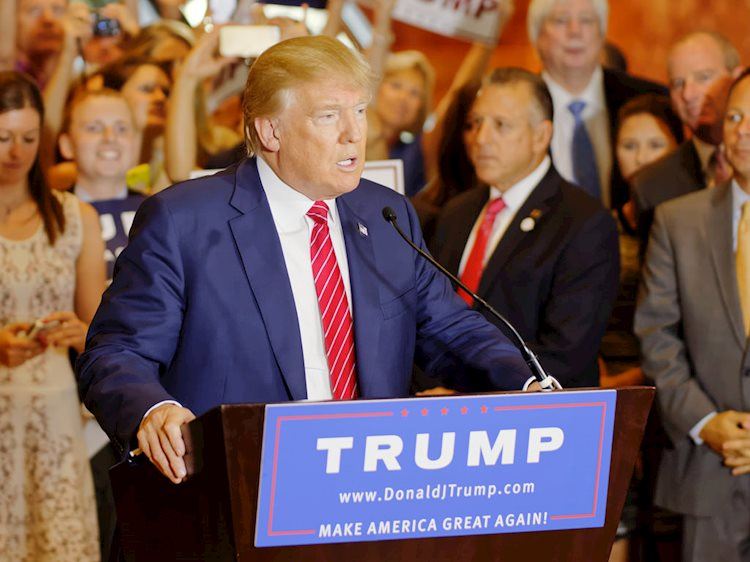

Former President Donald Trump was involved in an assassination attempt during a rally in Butler, Pennsylvania. Trump was injured when shots were fired at the rally, with one bullet ripping the upper part of his right ear. The Secret Service immediately rushed Trump to safety, while the shooter, a 20-year-old man from Pennsylvania, was killed by law enforcement. Unfortunately, one spectator was killed and two others are in critical condition, according to law enforcement sources. US President Joe Biden condemned the shooting, stating that there is no place for violence in America. Trump later released a statement saying he was fine and undergoing a medical check-up.
The House of Representatives announced that they will conduct a full investigation into the tragic events at the Trump rally. In terms of market implications, the financial markets could see a bit of risk aversion at the weekly open, leading to a stronger US Dollar. Risk currencies such as the Australian Dollar and Pound Sterling may experience a pullback after a solid performance the previous week, while safe-haven assets like Gold and the Japanese Yen may benefit from early risk-off flows. However, the risk-off sentiment is expected to be short-lived as attention shifts back to the US Federal Reserve interest-rate cuts and China’s economic prospects.
In the financial world, the terms “risk-on” and “risk-off” are widely used to describe investor sentiment and the level of risk that investors are willing to take. During a “risk-on” market, investors are optimistic about the future and more willing to invest in riskier assets, while a “risk-off” market sees investors being more cautious and gravitating towards safer assets with lower risk. Stock markets typically rise during “risk-on” periods, along with most commodities except Gold. Currencies of countries heavily reliant on commodity exports, such as the Australian Dollar and the Canadian Dollar, tend to appreciate during risk-on markets.
On the other hand, during periods of “risk-off,” assets like Bonds, Gold, and safe-haven currencies such as the US Dollar, Japanese Yen, and Swiss Franc tend to perform well. The US Dollar benefits from its status as the world’s reserve currency and the safe-haven appeal of US government debt during times of crisis. The Japanese Yen sees increased demand for Japanese government bonds, while the Swiss Franc benefits from Switzerland’s strict banking laws and capital protection. Overall, understanding risk sentiment and how it influences market movements can help investors make informed decisions in volatile market conditions.