
WASHINGTON — Former U.S. President Donald Trump has indicated a willingness to assist in resolving the ongoing conflict in Sudan, following a request from Saudi Crown Prince Mohammed bin Salman during a meeting at the White House. Trump stated his administration initiated efforts to address the crisis shortly after the Crown Prince raised the issue, signaling a potential new diplomatic avenue for the troubled nation. The conflict in Sudan, which erupted in April 2023, has created a dire humanitarian situation and prompted international concern.
Trump’s offer to intervene comes as the civil war between the Sudanese Armed Forces (SAF) and the Rapid Support Forces (RSF) continues to escalate, resulting in widespread displacement, infrastructure damage, and reports of escalating ethnic violence. According to the United Nations, millions have been uprooted from their homes, and the country faces a severe risk of famine. This intervention follows Trump’s recent claim of a role in brokering a ceasefire in Gaza, a point of contention given varying accounts of his involvement.
Trump’s Potential Role in the Sudan Crisis
The impetus for Trump’s involvement appears to stem directly from Saudi Arabia’s desire for a resolution. Saudi officials reportedly believe Trump’s direct engagement could help reinvigorate stalled negotiations between the warring factions in Sudan. This expectation likely rests on Trump’s established relationships within the region and his demonstrated willingness to engage in direct diplomacy, even outside of formal governmental roles.
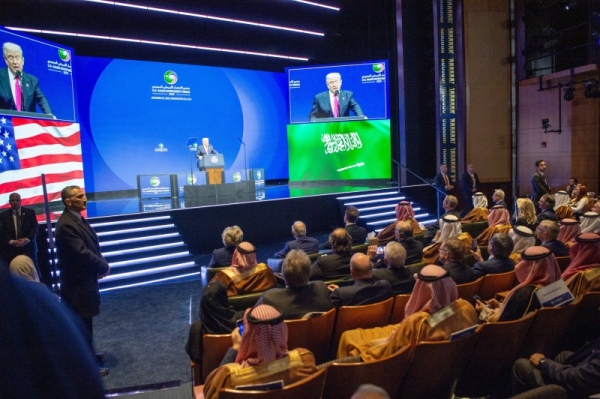
However, the specifics of how Trump intends to contribute remain unclear. His public statements, made at the U.S.-Saudi Investment Forum, lacked detailed plans. He generally indicated a willingness to work with Saudi Arabia, the United Arab Emirates, Egypt, and other regional partners to stabilize the country and halt the ongoing atrocities. The former president described Sudan as experiencing “the single biggest humanitarian crisis” and “the most violent place on Earth” in a social media post, emphasizing the urgency of the situation.
The Current State of the Conflict
Fighting between the Sudanese army and the paramilitary RSF began in Khartoum and has since spread to other regions, particularly Darfur, where pre-existing tensions have fueled a surge in ethnic violence. Both sides have been accused of human rights abuses, including targeting civilians and obstructing humanitarian access. Negotiations mediated by Saudi Arabia and the United States earlier in the conflict have repeatedly broken down.
Additionally, the conflict has deepened an already precarious economic situation in Sudan, which was struggling with high inflation and political instability before the outbreak of violence. The disruption of agricultural production and trade has exacerbated food insecurity, pushing millions closer to starvation. Reports suggest the healthcare system has largely collapsed in conflict zones.
International Response to the Crisis
The international community has condemned the violence in Sudan and called for a ceasefire and a return to civilian rule. The United Nations has launched a humanitarian appeal to provide aid to those affected by the conflict, but access to affected areas remains a significant challenge. The African Union has also been actively involved in mediation efforts, but with limited success.
Meanwhile, the United States has imposed sanctions on individuals and entities linked to the conflict, aiming to pressure the warring parties to end the violence. The State Department has repeatedly called for an immediate cessation of hostilities and a commitment to a negotiated settlement. This recent offer by Trump adds another layer to the ongoing diplomatic efforts, though its practical impact remains to be seen.
The situation in Sudan is further complicated by regional geopolitical dynamics. The involvement of competing external actors, each with their own interests, has hindered efforts to find a lasting solution. The potential for the conflict to spill over into neighboring countries also poses a significant risk. This instability could worsen an already fragile regional security landscape.
Several analysts have expressed skepticism about Trump’s ability to significantly alter the course of the conflict. Some cite his past foreign policy decisions and his often unconventional approach to diplomacy as reasons for doubt, while others suggest his lack of formal authority could limit his effectiveness. Another related concern is the potential for political maneuvering surrounding the upcoming US elections.
The role of the regional partners mentioned by Trump – Saudi Arabia, the UAE and Egypt – is crucial, as they wield significant influence over the warring parties and could potentially leverage their relationships to facilitate negotiations. Experts suggest that a unified approach from these nations, backed by international pressure, is essential for achieving a sustainable peace in Sudan. The complex humanitarian situation needs urgent aid and improved access for international organizations.
Looking ahead, the immediate focus will be on whether Trump can translate his offer of assistance into concrete actions. The next few weeks will be critical in determining whether his involvement can break the deadlock and pave the way for a ceasefire. The effectiveness of any mediation effort will depend on the willingness of both the SAF and the RSF to compromise and prioritize the welfare of the Sudanese people. The international community will continue to monitor the situation closely and adjust its response as needed, with continuing humanitarian aid as a key priority.