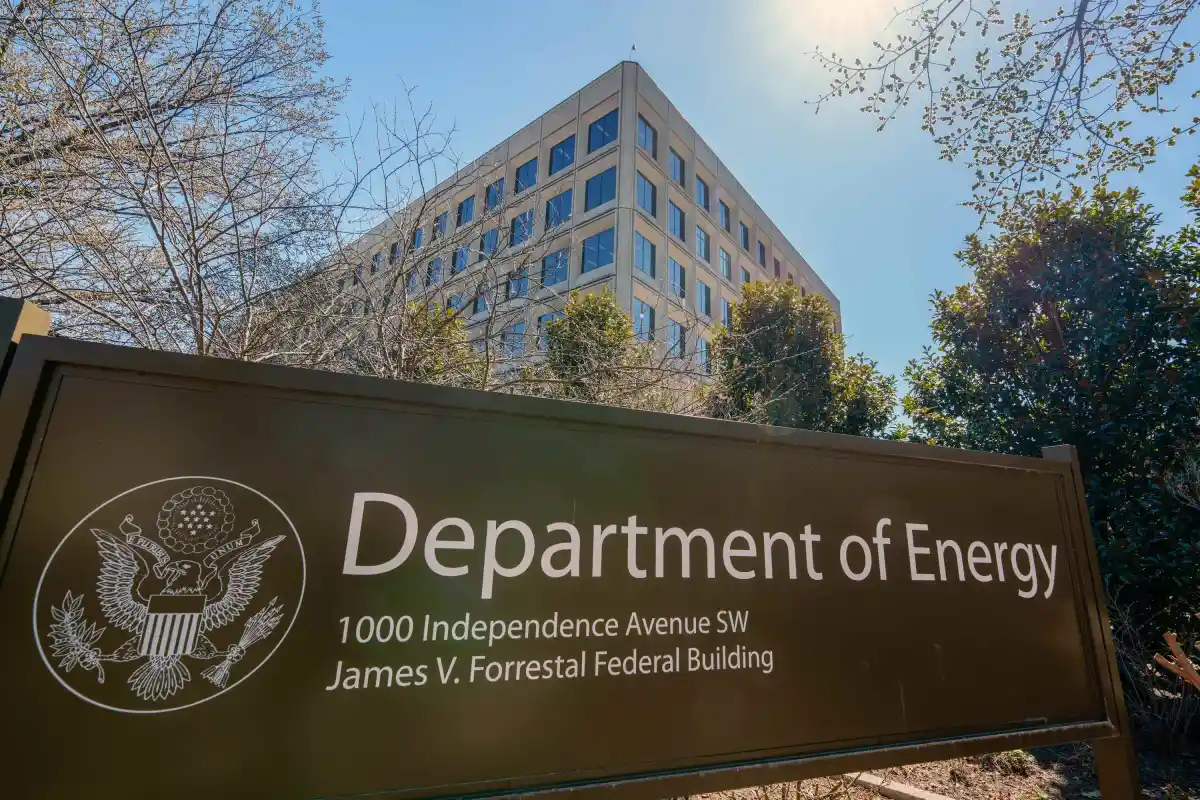

The Department of Energy (DOE) underwent a significant restructuring this week, announced by the Trump administration, that dramatically shifts its focus away from established renewable energy initiatives and toward nuclear fusion development. Several offices dedicated to energy efficiency and renewable technologies were eliminated, while a new Office of Fusion was created and existing offices were consolidated. The changes, revealed on Tuesday, are already raising questions about their legality and long-term impact on the nation’s energy strategy.
The reorganization affects multiple key areas within the DOE. Specifically, the Office of Energy Efficiency and Renewable Energy (EERE), the Office of Clean Energy Demonstrations (OCED), the Office of Manufacturing and Energy Supply Chains, the Office of State and Community Energy Programs, the Grid Deployment Office, and the Office of Federal Energy Management programs were all dissolved. This move represents a major realignment of priorities, potentially impacting ongoing projects and future innovation in clean energy sectors.
A Shift in Energy Priorities: Focusing on Fusion and Hydrocarbons
The most noticeable change is the elevation of fusion energy research. Previously housed within the Office of Science, which prioritizes basic research, the creation of a standalone Office of Fusion suggests a push towards the commercialization of this long-sought energy source. This highlights a belief in the potential of fusion to provide a future source of clean, abundant power.
Additionally, the DOE has combined the Geothermal Technologies Office with the Office of Fossil Energy and Carbon Management to form the new Hydrocarbons and Geothermal Energy Office. This consolidation signals a potential integration of fossil fuel and geothermal resources, though the precise implications of this merger are not yet clear. Some analysts suggest it may indicate a continued emphasis on traditional energy sources, despite growing concerns over climate change.
Potential Legal Challenges
The restructuring is likely to face legal scrutiny, particularly regarding the elimination of the Office of Clean Energy Demonstrations (OCED). This office was specifically authorized and funded by Congress through the Bipartisan Infrastructure Law, raising questions about the administration’s authority to dismantle it.
Experts in administrative law point out that Cabinet secretaries have limited power to significantly alter organizational structures established by congressional legislation. According to Donald Kettl, a professor emeritus at the University of Maryland School of Public Policy, “The authority of Cabinet secretaries to move around major functions and offices is very limited, especially when those offices were established and funded through congressional action.” He further explained that Congress typically requires the opportunity to review or explicitly approve such reorganizations.
Impact on Existing Programs and Funding
The dissolution of EERE, a cornerstone of the DOE’s clean energy efforts for decades, is particularly significant. EERE oversaw research and development programs across a wide range of sustainable energy technologies, including solar, wind, and hydropower. This restructuring could disrupt ongoing projects and significantly alter the landscape of federal funding for renewable energy innovation.
The fate of funding previously allocated to these eliminated offices remains uncertain. While the administration has stated its commitment to maintaining essential functions, the specific allocation of resources within the reorganized structure has not been fully detailed. This ambiguity is causing concern among stakeholders in the renewable energy industry.
The Grid Deployment Office’s elimination is also noteworthy, especially given the Biden administration’s emphasis on modernizing the nation’s electrical grid. Experts suggest this could hinder efforts to improve grid resilience and integrate more renewable energy sources. The future of grid modernization projects funded through the Infrastructure Investment and Jobs Act will be closely watched.
Motivations Behind the Reorganization
The Trump administration has consistently expressed support for an “all-of-the-above” energy strategy, which includes fossil fuels, nuclear power, and renewable energy. However, the recent reorganization clearly demonstrates a prioritization of nuclear fusion and, potentially, continued investment in hydrocarbon resources.
The move towards fusion energy likely reflects a belief in its potential as a long-term, baseload power source. While fusion technology is still decades away from widespread commercialization, the creation of a dedicated office signals a commitment to accelerating its development. Furthermore, streamlining the process for commercializing new technologies represents a broader policy objective of the administration.
The shift also aligns with the administration’s broader critique of certain renewable energy subsidies and mandates, arguing that they distort the market. Some observers believe the reorganization is intended to reduce the federal government’s role in directing energy markets and allow for greater private sector innovation. Whether this approach will effectively address climate change concerns remains a subject of debate.
The changes do not affect the Office of Science, which retains its core research functions. However, the separation of fusion from the research-focused office suggests a desire to move beyond basic research and actively pursue commercial applications. This separation could potentially impact the overall balance of research and development funding within the DOE.
Looking ahead, the legal challenges to the reorganization are expected to be the immediate focus. The affected offices and industry groups are likely to argue that the administration overstepped its authority by dismantling programs specifically authorized by Congress. The outcome of these challenges will significantly determine the future of the DOE’s structure and its role in shaping the nation’s energy policy. Further details on the budget allocations within the new structure are anticipated within the next few weeks and will be key to understanding the extent of the shift in priorities.
The Department of Energy’s revised structure will be closely monitored by stakeholders, analysts, and members of Congress as the implications of these changes unfold.