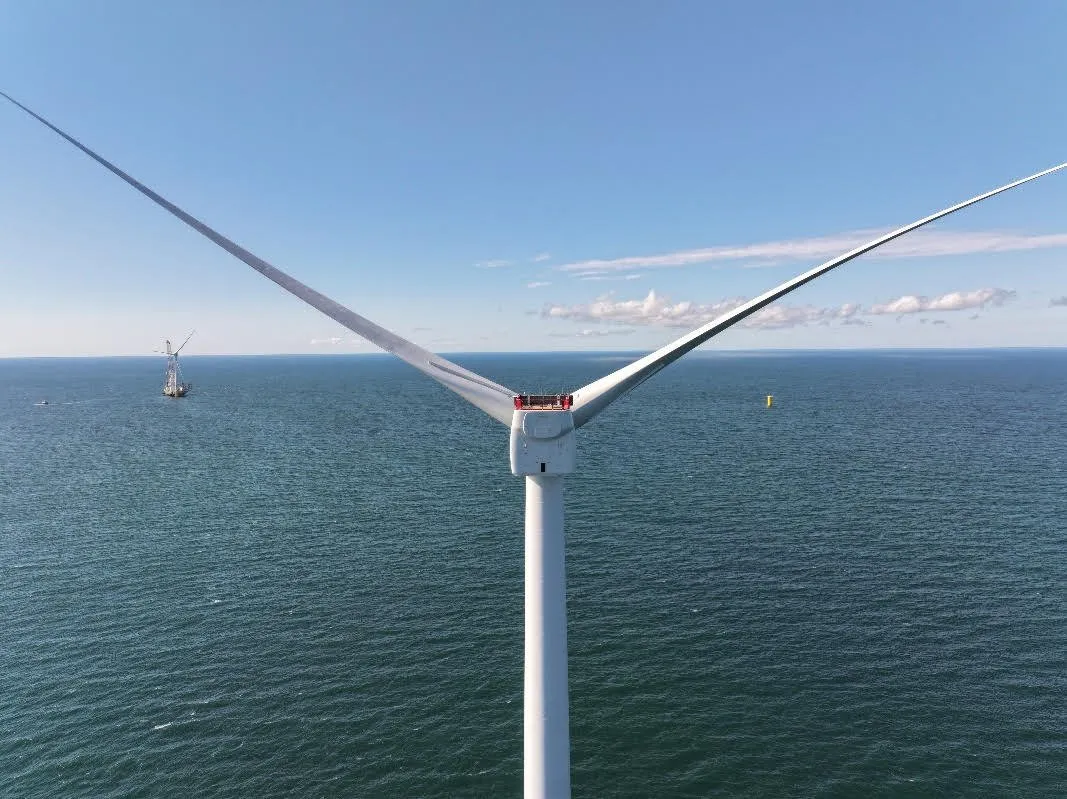

A series of legal challenges against the Trump administration culminated this week with court orders allowing construction to resume on several stalled offshore wind projects along the East Coast. The Department of the Interior had issued stop-work orders in December for five projects, collectively representing 6 gigawatts of potential energy generation, citing national security concerns. These rulings represent a significant win for renewable energy developers and signal potential headwinds for the administration’s approach to wind energy development.
Judges have now authorized the restart of construction on three projects: Revolution Wind off the coast of Rhode Island, Empire Wind near New York, and Coastal Virginia Offshore Wind. Developers filed lawsuits immediately following the December order, arguing the administration’s actions were unwarranted and detrimental to clean energy goals. The decisions come as the Biden administration prepares to take office and potentially shift energy policy.
The Dispute Over Offshore Wind and National Security
The Trump administration’s December halt stemmed from concerns that the wind farms could interfere with military radar systems. Specifically, the government argued that turbine blades could create “noise” that obscures radar tracking, potentially compromising national security. However, the courts appeared unconvinced by the administration’s reasoning.
During hearings, judges questioned the timing and scope of the order. U.S. District Judge Carl Nichols, appointed by President Trump, noted the government’s brief did not even address the argument that the order was “arbitrary and capricious,” a key legal challenge. He also inquired why construction was being halted when the primary concern seemed to relate to the operation of the wind farms, not their construction.
Similarly, U.S. District Judge Jamar Walker raised concerns about the breadth of the order in relation to the Coastal Virginia Offshore Wind project. The administration’s justification didn’t appear to adequately address the specific circumstances of that development, leading the judge to question its validity.
Previous Concerns and Mitigation Efforts
The potential for radar interference isn’t a new issue in offshore wind development. Throughout the permitting and siting process, project developers have worked with government agencies to identify and mitigate potential conflicts. This includes strategically locating wind farms to minimize radar disruption and investing in upgrades to radar technology to filter out turbine-related noise.
President Trump has publicly expressed skepticism about wind energy, famously stating, “I’m not much of a windmill person.” This sentiment, coupled with the administration’s focus on bolstering the fossil fuel industry, fueled speculation that the stop-work orders were politically motivated.
Potential Impact and Future of Offshore Wind
The East Coast possesses substantial offshore wind resources. A 2024 Department of Energy study estimates the region could generate up to 110 gigawatts of power from offshore wind by 2050. This would significantly increase electricity supply to densely populated areas and major data center hubs, potentially lowering energy costs.
Currently, electricity prices in the Northeast are among the highest in the nation. The Mid-Atlantic grid operator has also faced criticism for rising costs. Offshore wind energy, often cited as one of the most cost-effective forms of new generation, could help stabilize or even reduce these prices. Furthermore, the U.S. as a whole could potentially generate 13,500 terawatt-hours annually from offshore wind, exceeding current national consumption.
The broader implications extend to the nation’s renewable energy goals and efforts to combat climate change. Increased wind power capacity is crucial for reducing reliance on fossil fuels and achieving a cleaner energy future. The development of these projects also creates jobs and stimulates economic growth in coastal communities.
Two projects, Sunrise Wind developed by Ørsted, and Vineyard Wind 1, remain affected by the December order. A hearing for Sunrise Wind is scheduled for February 2nd, and the developers of Vineyard Wind 1 filed their lawsuit just this week. The courts will now consider the merits of these cases, potentially setting further precedents for offshore wind development.
Looking ahead, the incoming Biden administration is expected to prioritize renewable energy development, including offshore wind. The resolution of the remaining lawsuits and the administration’s subsequent policies will be key factors in determining the pace and scale of future projects. The industry will be closely watching for any signals regarding potential changes to the permitting process or federal support for offshore wind initiatives.