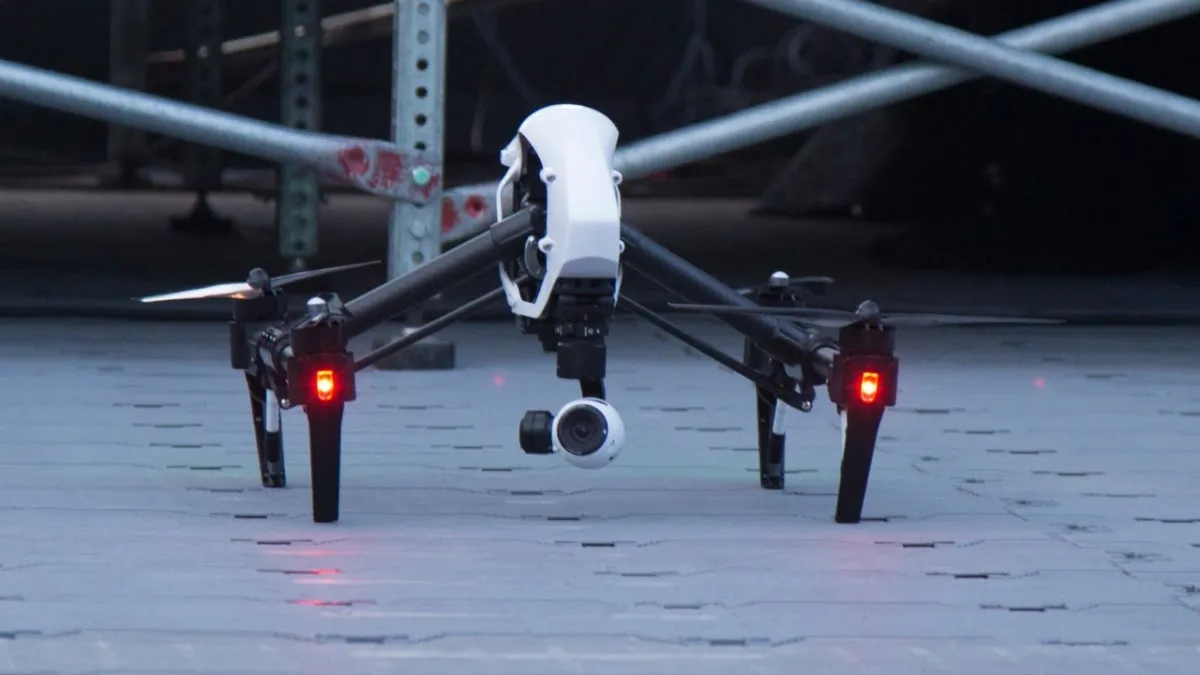

The Federal Communications Commission (FCC) on Monday enacted a ban on the import and sale of new drone models manufactured by foreign entities, citing escalating national security concerns. The rule, finalized under the Trump administration, prevents the distribution of unmanned aircraft systems (UAS) and their critical components originating outside of the United States. Existing owners will be permitted to continue operating previously purchased foreign-made drones.
The FCC’s decision stems from fears that foreign-made drones could be exploited for malicious purposes, including espionage, infrastructure attacks, and illicit surveillance. According to a fact sheet released by the agency, “criminals, hostile foreign actors, and terrorists” represent potential threats facilitated by the accessibility of drone technology. This action builds upon a June executive order aimed at bolstering the domestic drone industry and securing the U.S. supply chain.
New Restrictions on Foreign Drones
The core of the new regulation lies in an updated “Covered List,” maintained by the FCC. This list now encompasses all UAS and essential components produced abroad, effectively prohibiting their sale or operation within U.S. airspace. FCC Chairman Brendan Carr expressed support for the measure, stating the agency will collaborate with American drone manufacturers to “unleash American drone dominance.”
Impact on the Drone Market
The ban is expected to significantly disrupt the current drone market, particularly impacting Chinese manufacturers who currently hold a substantial share of global sales. DJI, the world’s leading drone company, is poised to be heavily affected by the new restrictions. The company released a statement expressing disappointment with the FCC’s decision, noting a lack of transparency regarding the rationale behind the inclusion of foreign-made drones on the Covered List.
DJI maintains that its products are secure and have undergone rigorous testing by U.S. government agencies and independent reviewers. However, the administration’s concerns about data security and potential vulnerabilities associated with foreign-controlled technology appear to have outweighed these assurances. The move aligns with a broader trend of increased scrutiny towards Chinese technology companies operating in the United States.
National Security Justification
The FCC’s action reflects growing anxieties surrounding the potential misuse of drone technology. Law enforcement and intelligence officials have repeatedly warned about the risks posed by readily available drones, including their potential use for smuggling contraband, conducting reconnaissance, and even carrying small payloads for disruptive or harmful purposes. The ban is intended to mitigate these risks by limiting access to potentially compromised technology.
Additionally, the administration has emphasized the importance of establishing a robust domestic drone industry to reduce reliance on foreign suppliers. This aligns with broader efforts to strengthen U.S. manufacturing capabilities and enhance national economic security. The executive order issued in June specifically called for fostering a “strong and secure domestic drone sector” and protecting the U.S. drone supply chain.
Meanwhile, the ban isn’t a complete prohibition on all foreign components. The FCC’s Covered List focuses on UAS and “critical components,” leaving room for potential exceptions or future adjustments. The precise definition of “critical components” remains a key area for clarification.
Broader Implications for UAS Technology
The FCC’s decision extends beyond consumer drones, impacting commercial applications as well. Industries such as agriculture, infrastructure inspection, and filmmaking rely heavily on drone technology, and the ban could necessitate a shift towards domestically produced alternatives. This transition may involve increased costs and potential delays for businesses currently utilizing foreign-made drones.
In contrast to the restrictions, the administration has signaled its intention to support the growth of the U.S. drone industry through funding and regulatory streamlining. However, the domestic drone manufacturing sector is still relatively nascent and faces challenges in competing with established foreign players in terms of price and technological innovation. The long-term success of this strategy will depend on sustained investment and a favorable regulatory environment.
The move also raises questions about international trade relations and potential retaliatory measures from other countries. The U.S. government will likely need to navigate these diplomatic complexities as it implements the new restrictions. The impact on the broader unmanned aircraft systems (UAS) market remains to be seen.
Looking ahead, the FCC is expected to provide further guidance on the implementation of the ban, including details on enforcement mechanisms and potential exemptions. The agency will also likely face legal challenges from affected companies. The coming months will be crucial in determining the full scope and consequences of this significant policy shift, and stakeholders will be closely watching for further developments regarding the future of drone technology in the United States.