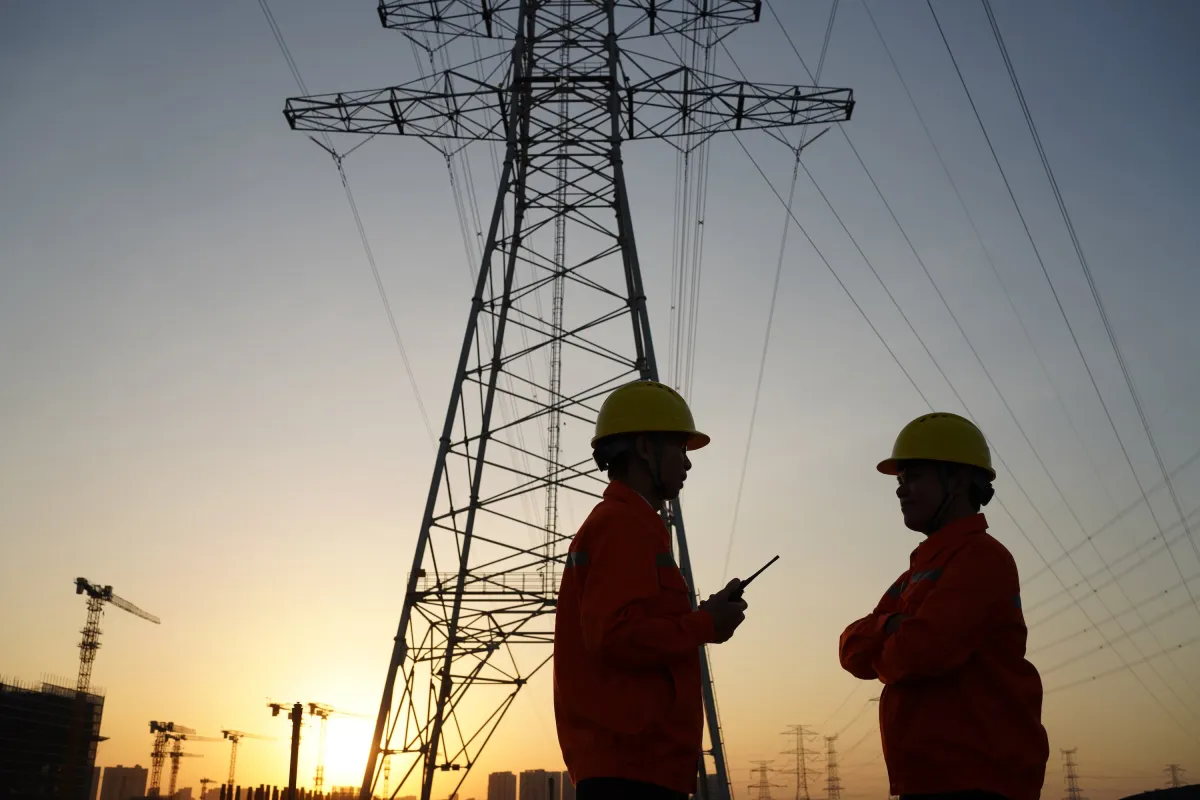

The Trump administration is pushing for a significant expansion of electricity generation capacity in the Mid-Atlantic and Midwest, aiming to add $15 billion in new power sources to the PJM Interconnection grid. A key component of this plan involves encouraging, and potentially requiring, large data centers to participate in funding this expansion, even if their immediate power needs aren’t fully realized. This move comes as electricity demand in the region rises, fueled in part by the increasing energy consumption of artificial intelligence (AI) infrastructure.
The proposal centers around PJM, the grid operator serving 13 states and over 65 million people, including a major concentration of data centers in Northern Virginia. The White House and several state governors have presented PJM with a “statement of principles” advocating for an auction of 15-year contracts for new generating capacity. The administration believes tech companies should bid on these contracts proactively, anticipating future energy requirements.
Rising Electricity Demand and the Role of Data Centers
Electricity demand within the PJM region has been steadily increasing. Monitoring Analytics reports a 10% rise in peak load over the last decade, with a projected further increase of 6.5% in 2027. This surge is largely attributed to the rapid growth of data centers and their intensive power needs for AI processing and storage. Demand from data centers is expected to nearly triple in the next ten years, putting significant strain on existing infrastructure.
However, building new power plants, particularly those reliant on fossil fuels, presents considerable challenges. These projects require substantial upfront investment, often hundreds of millions of dollars, and can take years to complete. Utilities are understandably hesitant to commit to such long-term, expensive ventures, especially given the potential for fluctuations in the AI market and the emergence of alternative energy solutions.
The Impact of Fossil Fuel Prices
The cost of electricity in the PJM region has already been affected by increased demand and external factors. Electricity rates in 2025 were up approximately 10% to 15% compared to the previous year. According to Monitoring Analytics, around 60% of this price increase is directly linked to soaring natural gas prices, on which PJM heavily depends.
This reliance on fossil fuels is a point of contention, as it clashes with broader sustainability goals. The volatility of natural gas prices also introduces uncertainty for both power providers and consumers.
Tech Companies’ Response and Renewable Energy Alternatives
Tech companies, traditionally not involved in power generation, are increasingly exploring alternative strategies to meet their growing energy demands. Rather than investing in long-term fossil fuel projects, many are turning to renewable energy sources like solar and battery storage. These options offer several advantages, including lower costs, modularity, and faster deployment times.
A typical solar farm can be constructed in roughly 18 months and can begin delivering power in phases, aligning more closely with the construction timelines of data centers. This phased approach allows companies to manage risk more effectively. This shift towards renewables also supports corporate sustainability initiatives and reduces exposure to fluctuating fossil fuel prices.
PJM itself has acknowledged the changing landscape. While reviewing the administration’s “statement of principles,” the grid operator has also been conducting its own months-long planning process to assess future capacity needs. However, PJM officials have been notably reserved in their public response to the White House’s proposal, with a spokesperson stating they were not invited to related events and would not be attending.
The administration’s attempt to direct PJM’s actions is being viewed with caution by industry observers. The non-binding nature of the statement and PJM’s apparent reluctance to be dictated to raise questions about the feasibility of the plan. The debate also highlights the broader tension between ensuring grid reliability and promoting a transition to cleaner energy sources. Energy infrastructure development is a complex issue with long-term implications.
The situation is further complicated by the potential for overbuilding. If the anticipated AI boom slows or stalls, the region could be left with excess generating capacity, resulting in stranded assets and higher costs for consumers. This risk is a major concern for utilities and investors.
The increasing demand for power generation is also impacting discussions around grid resilience. Ensuring a stable and reliable power supply is crucial for economic growth and national security, particularly in regions with a high concentration of critical infrastructure like data centers.
PJM is expected to release the results of its internal capacity planning process in the coming weeks. This report will likely provide a more detailed assessment of the region’s future energy needs and potential solutions. The next step will be to determine how, or if, the administration’s proposal will be integrated into PJM’s long-term planning efforts. The outcome will be closely watched by tech companies, utilities, and policymakers alike, as it sets a precedent for how to address the growing energy demands of the digital economy.