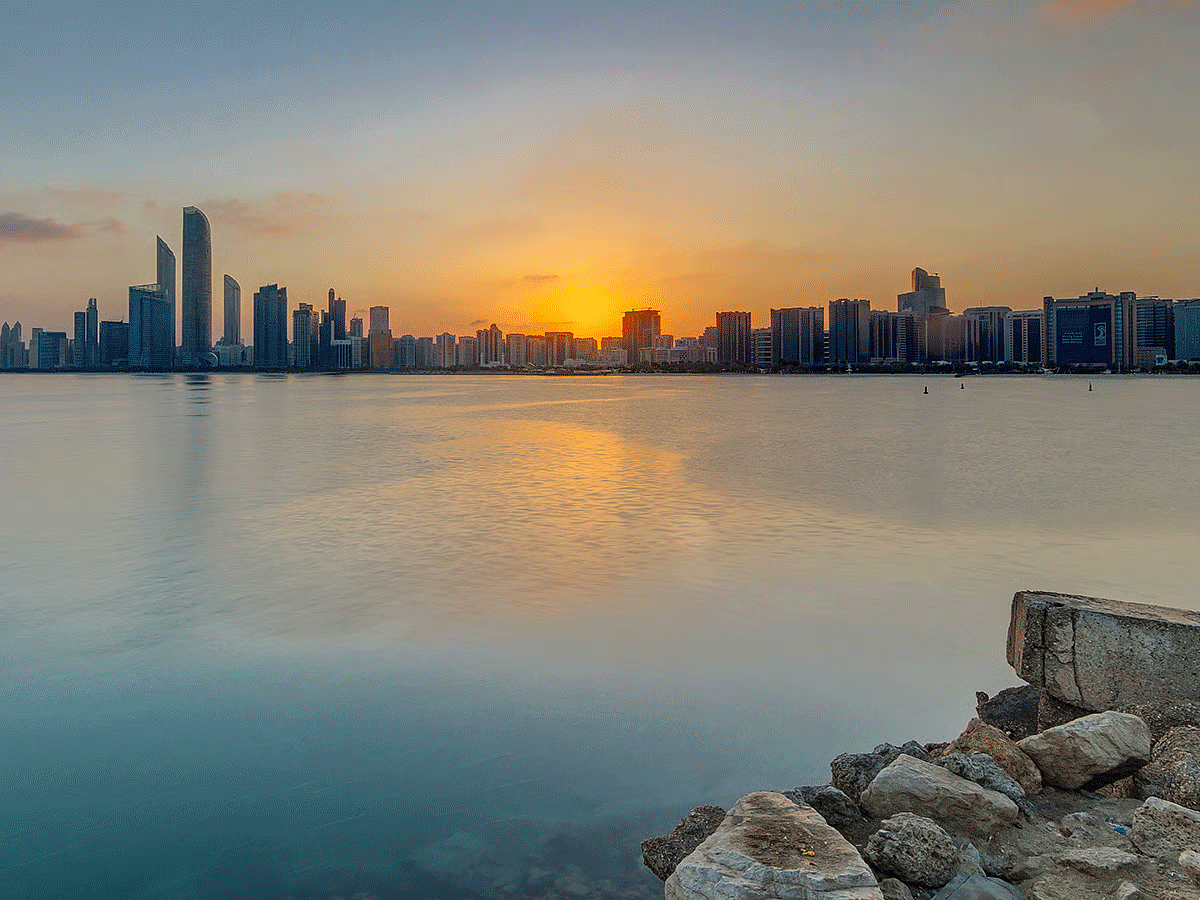

Abu Dhabi and Dubai have been recognized as leading destinations for solo travel, topping a recent safety ranking for independent adventurers. A new study reveals the United Arab Emirates’ cities offer a particularly secure environment for those exploring the world on their own, a growing trend fueled by younger generations. This recognition comes as the travel industry anticipates another year of increased individual exploration.
The research, conducted by a travel analysis firm, placed Abu Dhabi as the safest city overall, with a daytime safety score of 92 and a nighttime score of 87. Dubai followed closely in second place, scoring 91 during the day and 83 at night. These high marks are attributed to robust security measures, well-maintained public spaces, and a generally low crime rate within the UAE.
Why Abu Dhabi and Dubai Excel in Solo Traveler Safety
The increasing popularity of solo travel is driven significantly by Gen Z and Millennials, with 76% reporting plans to travel alone this year, according to the study. For this demographic, the primary concern when choosing a destination is safety. Affordability, convenient transportation options, and the welcoming nature of the local population are also highly valued.
Abu Dhabi’s calm atmosphere and visible security presence contribute to its top ranking. Dubai, known for its 24-hour lifestyle, also benefits from well-lit public areas and a proactive approach to visitor safety. This allows individuals to confidently explore attractions like Dubai Marina, enjoy nighttime beach access, and navigate shopping districts.
The Rise of Independent Exploration
The trend towards solo travel isn’t new, but it has accelerated in recent years, partially due to factors like increased remote work opportunities and a desire for more personalized experiences. Experts suggest that the pandemic also played a role, with some travelers initially preferring the control and reduced contact inherent in traveling alone.
However, the study also highlights that safety isn’t the only factor. While the UAE leads in security, Hanoi, Vietnam, was named the best overall destination for solo travel in 2025. This is due to its combination of reasonable safety scores, exceptionally low travel costs, and a reputation for hospitality.
Southeast Asia as a Hub for Solo Adventures
Southeast Asia is emerging as a particularly attractive region for independent travelers. Beyond Hanoi, destinations like Chiang Mai, Thailand, Kuala Lumpur, Malaysia, and Phuket, Thailand, are gaining recognition for their cultural richness, accessibility, and thriving social scenes geared towards backpackers and solo explorers.
Chiang Mai secured a place among the top five safest cities globally, with scores of 93 by day and 81 at night. The affordability of the region is a major draw, with a pint of beer in Hanoi costing around £0.71 and public transport averaging £0.25. This makes it a viable option for budget-conscious travelers.
Helen Wheat, a Southeast Asia destination expert at Travelbag, noted the region’s appeal stems from its affordability, well-developed transportation networks, and the generally welcoming attitude of local communities. These factors combine to create a comfortable and enriching experience for those traveling independently.
Beyond Safety: Considerations for Solo Travelers
While safety is paramount, other aspects contribute to a positive travel experience. Connectivity, including reliable internet access, is increasingly important for remote workers and those wanting to stay in touch with family and friends.
Furthermore, the availability of organized tours and activities can provide opportunities for social interaction and a deeper understanding of the destination. Many companies now specifically cater to solo travelers, offering group excursions and shared accommodation options.
The study also points to the growing importance of travel insurance, particularly for solo adventurers who may be more vulnerable in unfamiliar environments. Comprehensive coverage can provide peace of mind and financial protection in case of unexpected events.
Looking ahead, the travel industry anticipates continued growth in the solo travel sector. Further research is expected in the coming months to analyze emerging trends and identify new destinations that cater to the needs of independent travelers. The impact of geopolitical events and economic fluctuations on travel patterns will also be closely monitored.