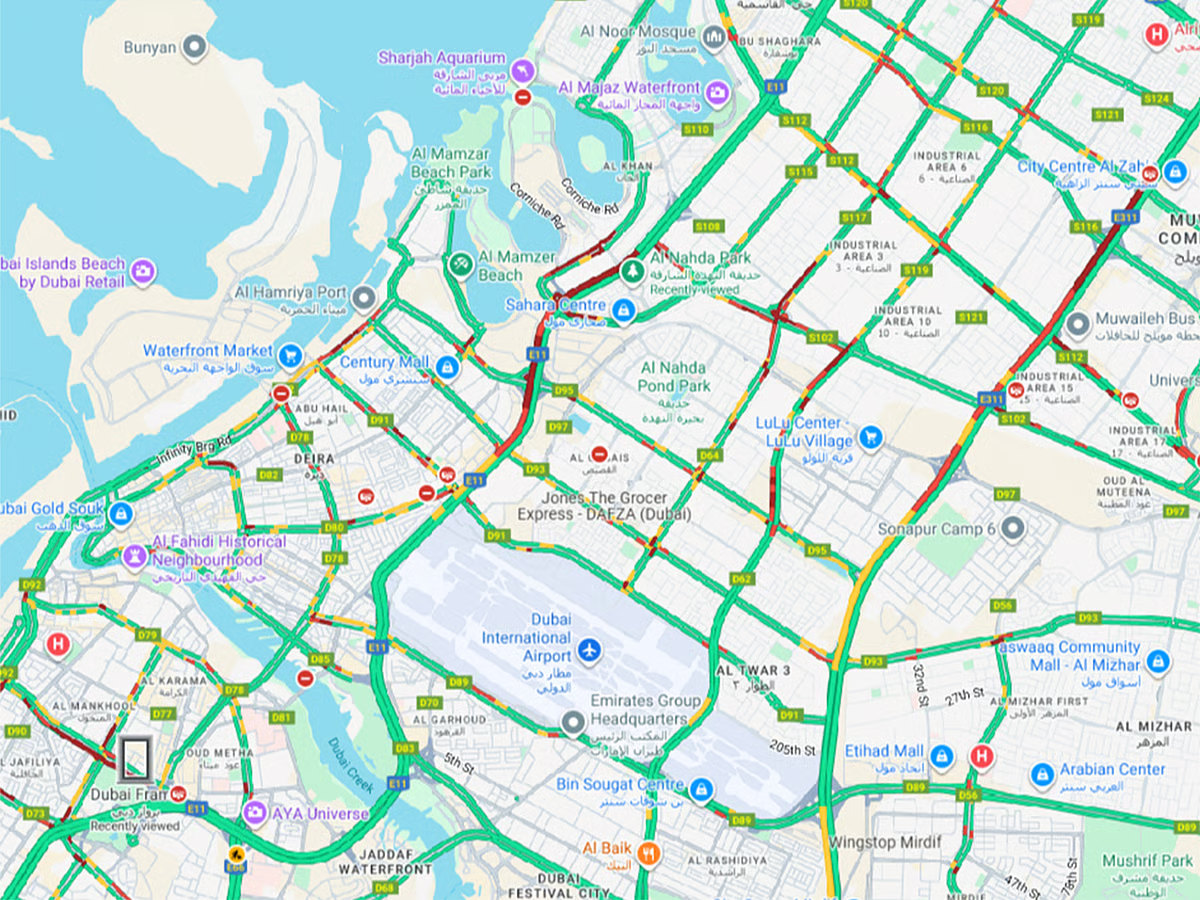

Commuters in the United Arab Emirates experienced significant traffic delays on Thursday morning, particularly between Sharjah and Dubai. Real-time data from Google Maps showed major congestion on key routes during peak hours, impacting travel times for residents and businesses. The slowdown was attributed to a combination of factors, including accidents, ongoing road maintenance, and the usual rush hour volume.
Dubai Traffic: Major Routes Affected by Congestion
The most heavily impacted areas were major roads leading into Dubai. Al Taawun Street, Al Ittihad Road (E11), and Al Hamriya Port Road (D92) all reported substantial slowdowns. Congestion also extended into the industrial areas of Al Qusais, specifically the Second, Third, Fourth, and Fifth zones.
Additionally, Sheikh Mohammed Bin Zayed Road (E311) experienced slower-than-usual traffic near City Centre Al Zahia, the National Paints interchange, and Muhaisina. These areas are known for high traffic density, but the delays were reportedly more severe than typical for a Thursday morning.
Accidents Contribute to Bottlenecks
Several collisions exacerbated the existing congestion. Accidents near the Dubai Frame and the Al Wasl building area created significant bottlenecks along the D75 road, affecting traffic flow in both directions. Motorists heading towards Dubai Design District also faced delays on E44 due to separate incidents.
Further compounding the issue, a traffic snarl developed across the Al Quoz First industrial zone. Emirates Road (E611) also saw heavy congestion near the Sharjah Mosque area, adding to the overall travel time for commuters. Authorities have not yet released details on the causes of these specific accidents.
Road Maintenance Adds to Commute Times
Ongoing road works throughout the network contributed to the morning slowdown. While the specific locations of these projects were not immediately detailed, infrastructure improvements are a regular occurrence in both Dubai and Sharjah as the cities continue to expand and modernize. These projects are essential for long-term transportation efficiency, but inevitably cause short-term disruptions.
The combination of accidents and maintenance created a challenging situation for drivers. The RTA (Roads and Transport Authority) regularly updates its social media channels with information on road closures and incidents, but the sheer volume of issues on Thursday morning overwhelmed the system for some commuters. Alternative route suggestions were limited due to the widespread nature of the congestion.
The impact of this traffic situation extends beyond individual commuters. Businesses relying on timely deliveries may have experienced delays, and the increased congestion likely contributed to higher fuel consumption and emissions. The UAE government has invested heavily in public transportation infrastructure, including the Dubai Metro and bus networks, to mitigate reliance on private vehicles and reduce road congestion. However, these systems are not always a viable option for all commuters, particularly those traveling between emirates.
Experts suggest that the increasing population and economic activity in both Dubai and Sharjah are primary drivers of the growing traffic volume. The region’s popularity as a tourist destination also contributes to the strain on the road network. Long-term solutions being considered include further expansion of public transportation, implementation of smart traffic management systems, and promotion of flexible work arrangements to reduce peak-hour demand. The development of new infrastructure projects, such as the planned expansion of the Dubai Metro, are also expected to alleviate some of the pressure.
Looking ahead, the RTA has announced plans to continue monitoring traffic conditions and deploying resources to manage congestion. The completion dates for the ongoing road maintenance projects remain uncertain, and commuters should continue to check for updates before their journeys. Further incidents or unexpected events could easily lead to renewed delays, so proactive planning and the use of real-time navigation apps are crucial for navigating the roads of Dubai and Sharjah. The effectiveness of these measures will be closely watched in the coming weeks and months.