


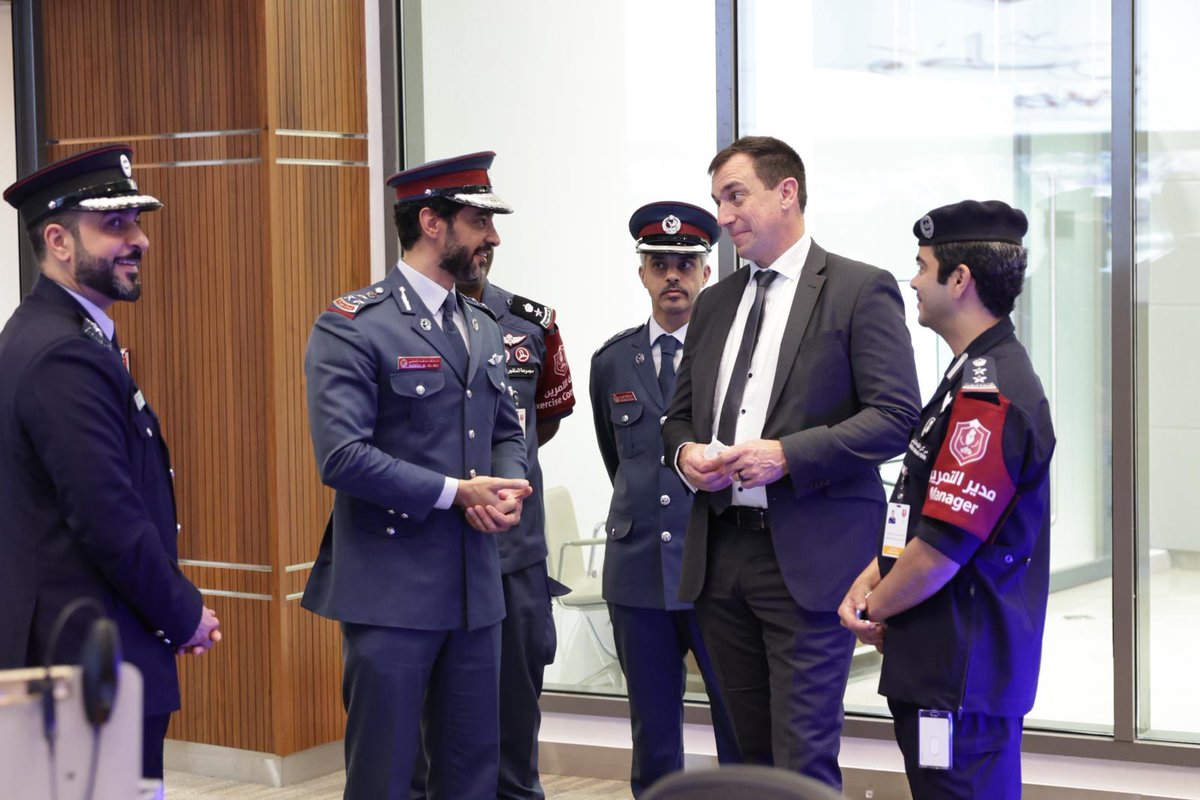

Doha, Qatar – Qatar’s ongoing national emergency preparedness exercise, Watan 2025, drew significant attention Tuesday with visits from Attorney General HE Dr. Issa bin Saad Al Jafali Al Nuaimi and United Nations Under-Secretary-General for Safety and Security Gilles Michaud. The officials inspected the National Command Center (NCC) and observed field operations as the large-scale drill continued for its second day. This exercise demonstrates Qatar’s commitment to strengthening its national security infrastructure and coordinated response capabilities.
The visits occurred as the Ministry of Interior affirmed the continuation of Watan 2025, involving collaborative efforts between military, security, and civilian organizations. According to a ministry statement, the drills have showcased robust coordination, operational efficiency, and effective integration of roles among the participating entities. The aim is to test and refine Qatar’s ability to handle a wide range of potential emergencies.
Focus on National Emergency Preparedness with Watan 2025
Qatar has consistently prioritized national security and disaster management, particularly as it prepares to host numerous international events in the coming years. These preparations necessitate a highly-prepared and responsive emergency system, capable of handling diverse challenges like natural disasters, security threats, and public health crises. Watan 2025 is a crucial element of this broader strategy.
Michaud focused his observation on the implementation of various field scenarios, allowing him to assess the practical application of Qatar’s emergency response plans. The Attorney General, meanwhile, reviewed the coordination procedures between the different agencies involved in the exercise, emphasizing the legal frameworks supporting such operations. This collaborative review highlights the importance of both practical execution and legal oversight in emergency situations.
Inter-Agency Coordination Under Scrutiny
The Ministry of Interior specifically emphasized the positive outcomes of the exercise regarding inter-agency cooperation. Effective communication and seamless collaboration between different departments are widely considered essential for a successful emergency response. The drills are designed to identify any bottlenecks or areas for improvement in these critical processes.
However, full details of the specific scenarios being practiced have not been publicly released. The limited information available suggests a focus on complex and multifaceted emergency situations that require coordinated action across multiple sectors. This aligns with the increasing trend towards holistic disaster planning internationally.
Qatar’s investment in advanced technologies and its focus on training personnel are also key components of its national resilience strategy. The country has been actively incorporating new technologies – such as advanced communication systems and data analytics – into its emergency management infrastructure. This demonstrates a proactive approach to enhancing its capabilities.
Broader Implications for Regional Security
While Watan 2025 is a national exercise, its impact could extend to regional security cooperation. Qatar plays an active role in various regional initiatives aimed at enhancing disaster preparedness and response. Sharing lessons learned from exercises like this could contribute to stronger collaborative efforts across the Gulf Cooperation Council (GCC) and other regional bodies.
The UN’s involvement, through Under-Secretary-General Michaud, also suggests a level of international scrutiny and potential for knowledge exchange. The United Nations Department of Safety and Security (UNDSS) provides guidance and support to member states on security and emergency preparedness matters.
The ongoing exercise is part of a series; previous iterations of “Watan” have focused on different aspects of national security. These periodic drills allow Qatar to continuously refine its plans and address emerging threats. The country also actively participates in international disaster risk reduction forums and partnerships.
The Ministry of Interior has not announced a definitive end date for Watan 2025, indicating that the exercises may continue for several more days. Following the completion of the field operations, a comprehensive evaluation report is expected to be produced. This report will likely detail areas of strength, identify potential weaknesses, and recommend improvements to Qatar’s overall national emergency preparedness framework. Further updates on the exercise’s findings and future planning are expected in the coming weeks, and observers will be watching for how lessons learned will be implemented in Qatar’s security protocols.
See more information about Qatar’s emergency response at The Peninsula Qatar.
Learn more about United Nations Department of Safety and Security.