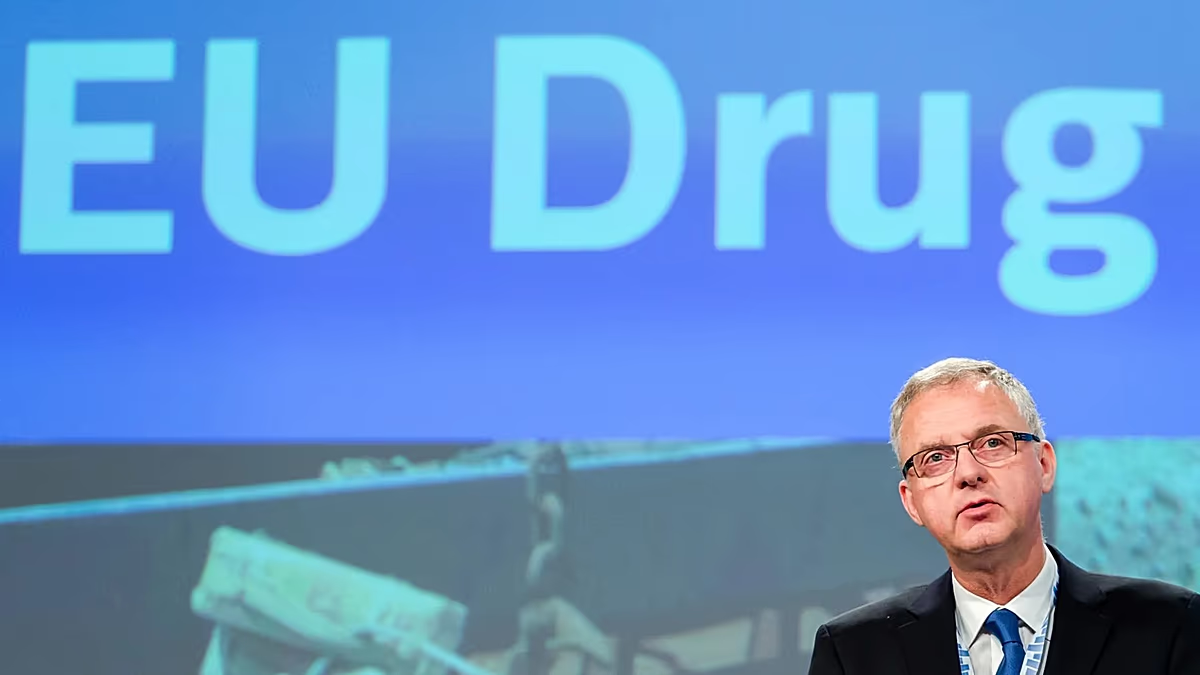

Europe is facing a growing drug problem, with a surge in cocaine use and increasing violence linked to drug trafficking, according to outgoing European Union Drugs Agency (EUDA) head Alexis Goosdeel. His warning comes as he prepares to step down at the end of the month after a decade of observing and coordinating European efforts to combat drug use and trafficking. Goosdeel emphasizes that the evolving drug market now impacts a wider range of individuals, from casual users to those struggling with severe addiction.
The Escalating Cocaine Epidemic in Europe
While the EU has made progress in addressing heroin-related issues, Goosdeel warns that the 27 Member States are falling behind in their response to the rapidly increasing availability and use of cocaine. Data from 2023 shows a record 419 tonnes of cocaine were seized across the EU, marking the seventh consecutive year of record seizures. Spain recently reported its largest single cocaine seizure ever – 13 tonnes hidden in a banana shipment from Ecuador – and Germany seized 43 tonnes in 2023, doubling the previous year’s amount, particularly within the port of Hamburg.
Delayed Treatment Response
A significant concern, according to Goosdeel, is the time lag between initial cocaine use and individuals seeking help, typically 10 to 12 years. This delay hinders effective treatment, as standardized protocols with proven efficacy, similar to those available for opioid substitution therapy, are currently lacking. Increased investment in research and the development of new treatment approaches are crucial, alongside maintaining and expanding the availability of qualified medical and social care professionals.
However, the challenge extends beyond cocaine. Goosdeel points to a broader trend of increasing substance use, encompassing not only illicit drugs but also substances used to cope with anxiety and performance pressure. This requires a shift in understanding what constitutes substance use and its underlying causes.
A More Complex Landscape of Substance Use
The EUDA director stresses that the increasing variety of substances being used necessitates a more nuanced approach from public authorities. The focus should not solely be on criminalizing drug use, but also on protecting citizens and addressing the societal factors that contribute to substance abuse. According to Goosdeel, the goal is to protect communities and provide better opportunities for the future, not just combat drugs.
Additionally, the rise in drug market-related violence is a growing concern. Over the past six to seven years, most EU Member States have experienced a significant increase in violence linked to drug trafficking, a stark contrast to a decade ago when such violence was largely concentrated in Central America. This shift indicates a more widespread and entrenched problem within the European Union.
In contrast to previous trends, the current situation demands a holistic response that balances law enforcement with public health initiatives and social support. The EU must adapt its strategies to address the evolving nature of substance use and its associated risks.
As Goosdeel departs, the EU faces a critical juncture in its approach to drugs. Continued monitoring of emerging trends, investment in research and treatment, and a commitment to both enforcement and prevention will be essential to mitigate the growing challenges and protect the health and safety of European citizens. Further information on European drug trends and policies can be found on the European Monitoring Centre for Drugs and Drug Addiction website.