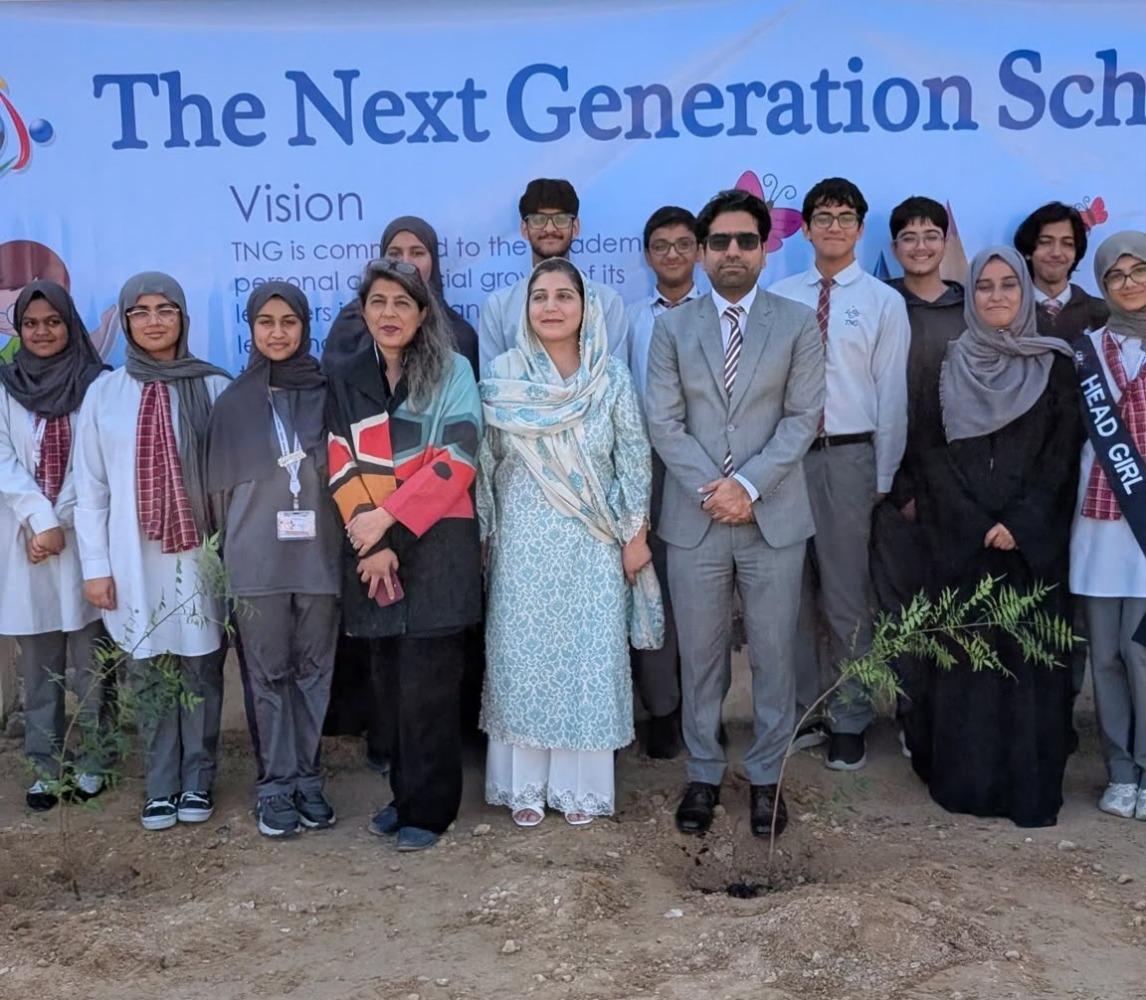

The Next Generation (TNG) School, Al Daayen Campus, in Doha, Qatar, recently hosted a delegation from the Embassy of Pakistan as part of the embassy’s broader Green Drive initiative. The visit, occurring around Qatar National Day, focused on promoting environmental sustainability among students. Discussions centered on student-led research projects and collaborative solutions to pressing ecological challenges.
The delegation included Atiya Iqbal, Deputy Head of Mission, and Osama Idrees, Community Welfare Attaché. They engaged with students and staff, observing presentations and participating in a tree-planting activity on the school grounds. This event highlights increasing international cooperation on environmental issues within Qatar’s educational sector.
Fostering Environmental Sustainability Through Student Engagement
TNG Al Daayen students showcased their work stemming from the British Council’s “Your World Competition,” presenting research addressing topics like digital responsibility, food waste, and plastic reduction. These projects demonstrated a proactive approach to identifying and proposing solutions for local and global environmental problems. According to school officials, the initiative aims to embed a lasting culture of responsibility within the student body.
Collaborative Discussions with Embassy Officials
A key aspect of the visit was an interactive dialogue between students and the Pakistani embassy representatives. Students posed thoughtful questions regarding sustainable practices and explored potential approaches to overcoming obstacles. This collaborative environment fostered a deeper understanding of the complexities surrounding sustainable development.
The embassy’s Green Drive initiative aligns with Qatar’s National Vision 2030, which prioritizes environmental protection and sustainable living. According to reports from the Ministry of Environment and Climate Change, Qatar has been actively implementing policies to reduce carbon emissions and promote renewable energy sources. The partnership with TNG underscores the nation’s commitment to raising environmental awareness at the grassroots level.
Senior students and the Student Council played a crucial role in both presenting research and observing the discussions. This ensures wider dissemination of knowledge and encourages peer-to-peer learning. The school hopes this will strengthen a collective sense of stewardship towards the environment among its students.
Atiya Iqbal expressed her admiration for the students’ passion and clarity of thought, emphasizing the importance of youth involvement in tackling climate change. The event culminated in a symbolic tree-planting ceremony, reaffirming the joint dedication of TNG and the Embassy of Pakistan to cultivating a greener future. This reinforces the importance of environmental initiatives in Qatar.
The growing emphasis on sustainability education in Qatar reflects a broader global trend. Many schools are now integrating environmental topics into their curricula and encouraging students to participate in hands-on conservation projects. This approach aims to empower the next generation to become effective environmental advocates and leaders.
Looking ahead, TNG plans to continue expanding its sustainability programs, potentially incorporating more community partnerships and student-led initiatives. The impact of the embassy’s visit will be assessed through ongoing monitoring of student engagement and project implementation. Further developments in Qatar’s national environmental strategy will likely influence the scope and direction of these educational efforts.