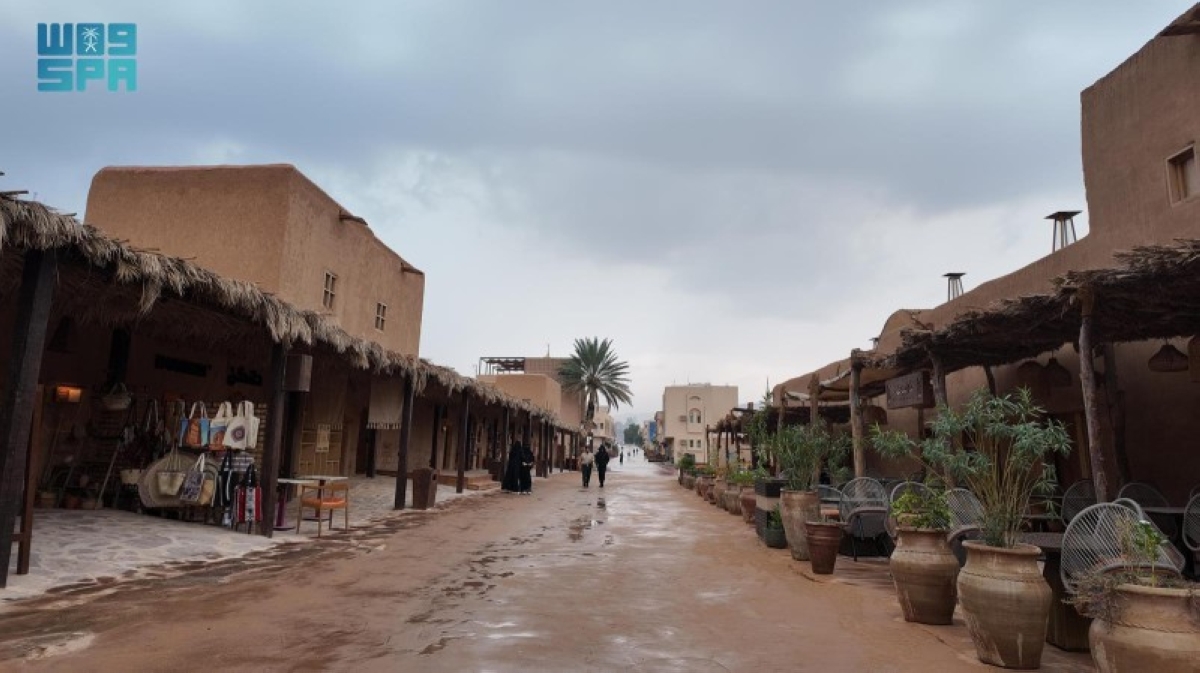

PARIS — Three Saudi Arabian cities – Riyadh, AlUla, and Riyadh Al-Khabra – have been officially recognized by UNESCO as learning cities, bolstering the Kingdom’s commitment to lifelong learning initiatives and sustainable development. The announcement, part of UNESCO’s 2025 update, acknowledges the cities’ progress in integrating educational opportunities throughout their communities. This inclusion brings the total number of Saudi cities within the UNESCO Global Network of Learning Cities to eight.
The designation was awarded following a review process that assessed each city’s adherence to international standards for fostering a culture of learning accessible to all residents. UNESCO highlighted the cities’ dedication to workforce development, literacy programs, and preparation for the evolving technological landscape. The recognition underscores Saudi Arabia’s broader efforts to diversify its economy and invest in its human capital.
Expanding Lifelong Learning in Saudi Arabia
The UNESCO Global Network of Learning Cities is a collaborative effort involving cities worldwide committed to promoting lifelong learning. It provides a platform for sharing knowledge and best practices in areas like adult education, vocational training, and digital literacy. The network aims to support the United Nations’ Sustainable Development Goal 4, which focuses on ensuring inclusive and equitable quality education and promoting lifelong learning opportunities for all.
According to UNESCO, the newly designated cities demonstrate a proactive approach to addressing the skills gap and preparing their populations for the future of work. This includes initiatives focused on reskilling and upskilling the existing workforce, particularly in emerging fields like artificial intelligence. The organization also noted the cities’ efforts to provide educational pathways for individuals who may have missed out on formal schooling earlier in life.
Vision 2030 and Educational Reform
This recognition aligns directly with Saudi Arabia’s Vision 2030, a strategic framework launched in 2016 to reduce the Kingdom’s dependence on oil and foster a more diversified and sustainable economy. A key pillar of Vision 2030 is the development of a highly skilled and competitive workforce. The Ministry of Education has been implementing numerous reforms to achieve this goal, including increased investment in STEM education and vocational training programs.
The inclusion of Jubail, Yanbu, Madinah, and Al-Ahsa, alongside King Abdullah Economic City, demonstrates a nationwide commitment to these principles. These cities have already established themselves as hubs for innovation and economic growth, and their participation in the UNESCO network is expected to further accelerate their progress. The focus on economic diversification is particularly relevant given the global shift towards a knowledge-based economy.
However, challenges remain in ensuring equitable access to learning opportunities across all segments of the Saudi population. Geographic disparities and socioeconomic factors can create barriers to participation in educational programs. The UNESCO designation is expected to encourage these cities to address these challenges and develop more inclusive learning ecosystems.
Focus on Digital Skills and Entrepreneurship
The UNESCO report specifically highlighted the cities’ commitment to fostering digital readiness. This is crucial as Saudi Arabia continues to invest heavily in digital infrastructure and promote the adoption of new technologies. Initiatives aimed at improving digital literacy among both young people and adults are seen as essential for driving innovation and economic growth.
Additionally, the cities are actively cultivating an entrepreneurial culture. This includes providing support for small and medium-sized enterprises (SMEs), offering training programs in business management, and creating a more favorable regulatory environment for startups. The development of a vibrant SME sector is considered vital for creating jobs and diversifying the economy.
Meanwhile, the emphasis on lifelong learning extends beyond formal education and training. The cities are also working to create more learning-friendly environments in public spaces, workplaces, and homes. This includes promoting access to libraries, museums, and cultural events, as well as encouraging employers to invest in the professional development of their employees.
In contrast to traditional educational models, the learning city approach emphasizes the importance of informal and non-formal learning. This recognizes that learning takes place throughout life and in a variety of settings. The UNESCO network provides a framework for cities to share best practices in this area and develop innovative approaches to lifelong learning.
The designation of these Saudi cities as learning cities is a significant step towards achieving the goals outlined in Vision 2030 and contributing to the global agenda for sustainable development. The focus on skills development, digital literacy, and entrepreneurship is expected to have a positive impact on the Kingdom’s economy and society. The initiative also supports broader goals of education and workforce development.
Looking ahead, UNESCO will continue to monitor the progress of these cities and provide support as they implement their learning city action plans. The next major review of the network is scheduled for 2028, at which point the cities will be assessed on their achievements in promoting lifelong learning. The long-term success of the initiative will depend on sustained investment, effective collaboration between stakeholders, and a continued commitment to innovation in education and training. Further developments in Saudi Arabia’s learning cities program, and the impact of these initiatives on national skills development, will be closely watched by regional and international observers.