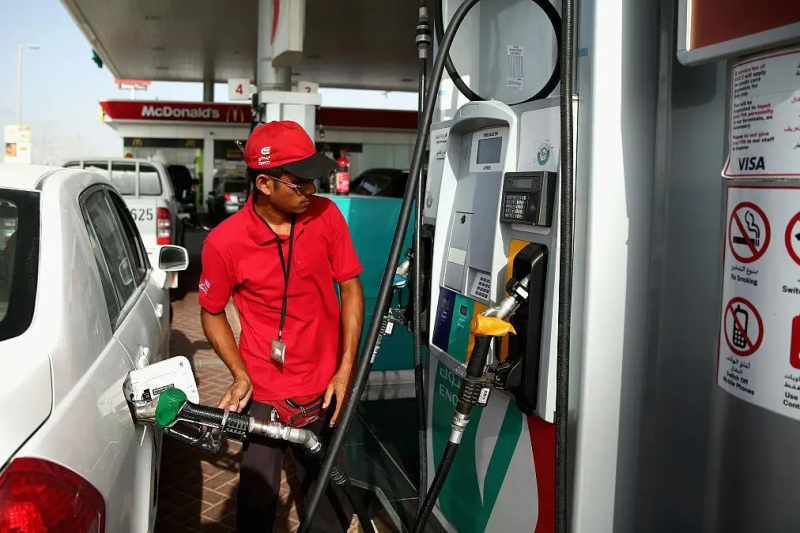

Recent enforcement actions by the Permanent Executive Committee for Service Centers and Gas Stations have resulted in the closure of three gasoline stations across Saudi Arabia. The closures, announced this week, stem from a series of regulatory violations uncovered during ongoing inspection campaigns. These violations included a refusal to sell petroleum products to consumers, impacting fuel supply security in key regions.
The affected gas stations were located in the Jeddah Governorate, the Eastern Province, and the Tabuk Region. These shutdowns follow increased scrutiny of fuel retailers by the committee, acting in coordination with local authorities. The aim of these inspections is to ensure adherence to established guidelines and maintain consistent fuel availability for the public.
Cracking Down on Gasoline Station Violations
The Saudi government has been steadily increasing its oversight of the fuel distribution sector in recent years. This intensified focus is largely attributed to concerns about market stability and maintaining adequate petroleum product access for both individuals and businesses. Regular inspections are now a key component of this regulatory strategy.
The most serious infraction leading to the closures was the refusal to sell fuel. While the reasons for these refusals weren’t explicitly stated, such actions disrupt the smooth functioning of the fuel market and can create localized shortages. This is especially problematic given the Kingdom’s reliance on private gas stations to serve a widely dispersed population.
Details of the Inspections
The Permanent Executive Committee’s inspection teams are conducting field visits throughout the year. Their work goes beyond simply checking for sales to customers. The teams verify compliance with a broad range of regulations designed to protect consumers and maintain the integrity of the fuel supply chain.
These regulations cover areas like fuel quality standards, accurate pricing displays, the proper maintenance of equipment, and adherence to safety protocols. Furthermore, the inspections examine storage facilities and delivery records to ensure responsible handling of petroleum products.
Impact on Fuel Availability in Affected Regions
The closure of any gasoline station, even temporarily, can cause inconvenience for motorists. The affected regions – Jeddah, the Eastern Province, and Tabuk – are significant population centers and important transportation corridors. However, authorities assured the public that the closures will not lead to widespread fuel shortages.
The committee emphasized the ongoing work to monitor all stations’ operations, specifically focusing on ensuring supply security throughout the Kingdom. The closure of non-compliant stations is intended to incentivize others to adhere to regulations, ultimately improving overall service. Moreover, the Ministry of Energy states that it is continually assessing national fuel reserves and adjusting distribution strategies as needed.
Ensuring Compliance and Protecting Consumers
These recent actions are part of a larger effort to modernize and streamline the fuel retail sector. The Saudi government is actively working to improve transparency, enhance competition, and protect consumers from unfair practices. This includes a review of licensing procedures and potential revisions to the regulatory framework for gasoline stations.
Additionally, the initiative aims to discourage hoarding or artificial scarcity of fuel. Unscrupulous retailers may attempt to exploit market conditions by withholding supplies or inflating prices, which directly harms consumers and the economy. Consistent enforcement, like these closures, sends a clear message that such behavior will not be tolerated.
While the vast majority of gasoline stations in Saudi Arabia operate in full compliance with regulations, the committee’s proactive inspections highlight the importance of sustained vigilance. The committee also stated that they will continue to work with local municipalities to address any infrastructure issues that could affect fuel distribution or station safety.
Challenges to Oversight
Maintaining comprehensive oversight of the Kingdom’s numerous fuel retail outlets presents logistical challenges. The geographical expanse of Saudi Arabia and the varying levels of resources available to local inspection teams necessitate a coordinated national strategy. Using technology and data analysis to identify potential violations is becoming increasingly important.
Another challenge is adapting to evolving consumer needs. As vehicle ownership increases and the demand for fuel continues to grow, the government must ensure that the retail sector can keep pace, providing reliable access and competitive pricing. The increasing adoption of electric vehicles also presents a long-term shift in the energy landscape that will require adjustments to the regulatory framework.
The Permanent Executive Committee has not announced a specific timeline for the reopening of the closed gasoline stations. Reinstatement will depend on the stations addressing the identified violations and demonstrating a commitment to full compliance. The committee is expected to publish a more detailed report on its inspection findings in the coming weeks. Further announcements regarding potential penalties or additional enforcement actions are also anticipated, as the government continues to prioritize fuel supply security and consumer protection.
The ongoing inspections and enforcement actions are expected to continue throughout the year, with a particular focus on areas experiencing high demand or logistical challenges. Stakeholders should monitor official announcements from the Ministry of Energy and the Permanent Executive Committee for updates on regulations and compliance requirements.