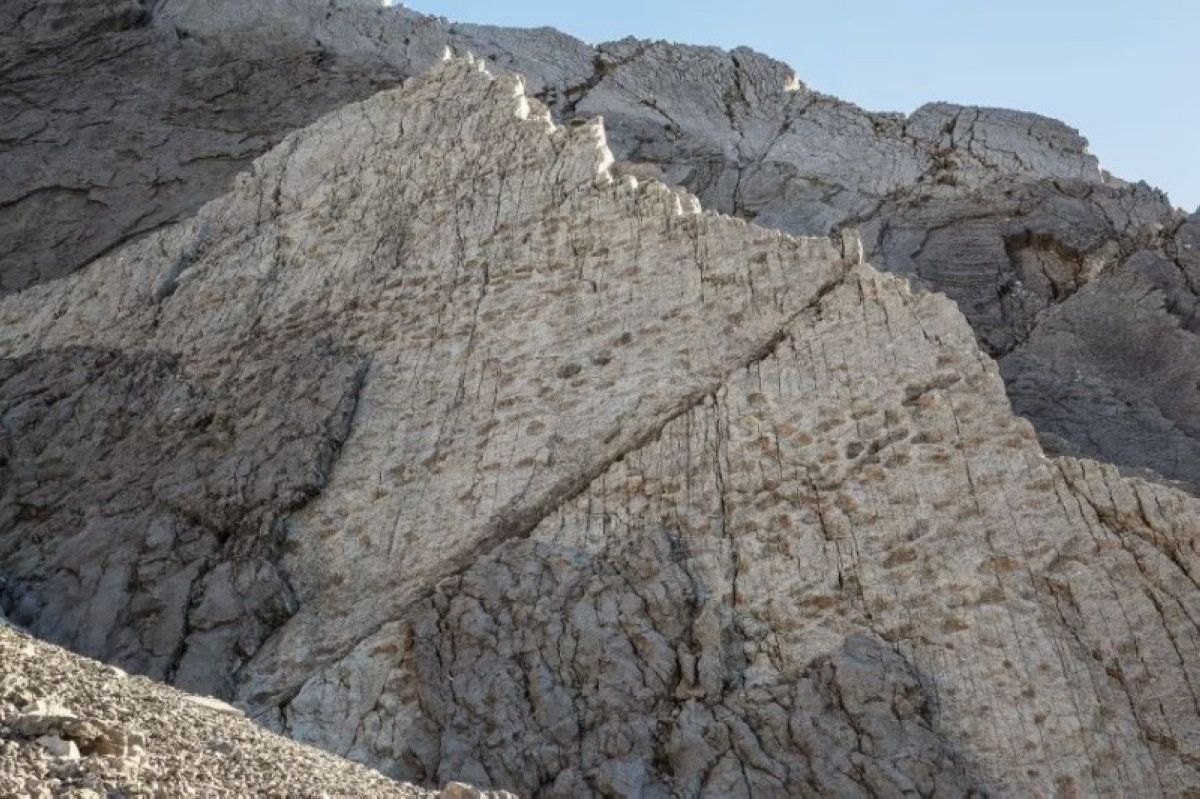

ROME — A remarkable discovery in the Italian Alps has revealed thousands of dinosaur footprints dating back approximately 210 million years. The tracks, found in Stelvio National Park near Bormio, a venue for the 2026 Winter Olympics, offer a rare glimpse into the Triassic Period and the creatures that roamed the region. Officials announced the find Tuesday, calling it one of the most significant paleontological discoveries in recent Italian history.
The footprints were discovered by wildlife photographer Elio Della Ferrera in September, and subsequently examined by paleontologists. They span an area of about five kilometers and are estimated to number around 20,000. The location, a high-altitude, north-facing rock wall, initially made the tracks difficult to identify.
Ancient Footprints Reveal Triassic Dinosaur Behavior
The sheer number and clarity of the dinosaur footprints are what make this discovery so exceptional. Many of the impressions measure up to 40 centimeters (15 inches) in diameter and clearly show toe and claw marks. This level of detail provides valuable insights into the anatomy and gait of these ancient reptiles.
According to Cristiano Dal Sasso, a paleontologist at Milan’s Natural History Museum, the tracks likely belong to long-necked, bipedal herbivores similar to the Plateosaurus. These dinosaurs are estimated to have been around 10 meters (33 feet) long and weighed up to four tons. The area where the footprints were found was once a coastal plain, making it a suitable habitat for these large animals.
Evidence of Herding and Calm Movement
The arrangement of the footprints suggests the dinosaurs traveled in groups. Researchers observed parallel rows of tracks, indicating coordinated movement. Additionally, some tracks are arranged in circular patterns, which Dal Sasso suggests may have been a defensive strategy.
Interestingly, the tracks don’t show evidence of running or frantic activity. Dal Sasso noted the footprints indicate a “slow, calm, quiet rhythmic pace,” suggesting these herbivores were not constantly fleeing predators. This observation contributes to a more nuanced understanding of their behavior and lifestyle.
The discovery site is located at an elevation of 2,400 to 2,800 meters (7,900 to 9,200 feet). This high altitude, combined with the north-facing aspect of the rock wall, has helped preserve the tracks over millions of years by shielding them from erosion and direct sunlight. The preservation of fossilized tracks in this environment is considered unusual.
Lombardy regional governor Attilio Fontana described the find as a “gift for the Olympics,” despite the site being inaccessible during the winter games. The proximity to Bormio, which will host Men’s Alpine skiing events, has generated excitement about the potential for future tourism related to the discovery. The area is also known for its unique geological formations.
While the footprints are currently in plain sight, their remote location presents challenges for study and potential public access. The Italian government has not yet announced plans for excavation or the creation of a visitor center. However, paleontologists are eager to conduct further research to learn more about the dinosaurs that left their mark on the region.
The next steps involve a more detailed analysis of the tracks, including creating 3D models and comparing them to known dinosaur footprints from other parts of the world. Researchers will also investigate the surrounding geology to gain a better understanding of the environment in which these dinosaurs lived. The long-term preservation of the site and the possibility of controlled access remain key considerations for the authorities.