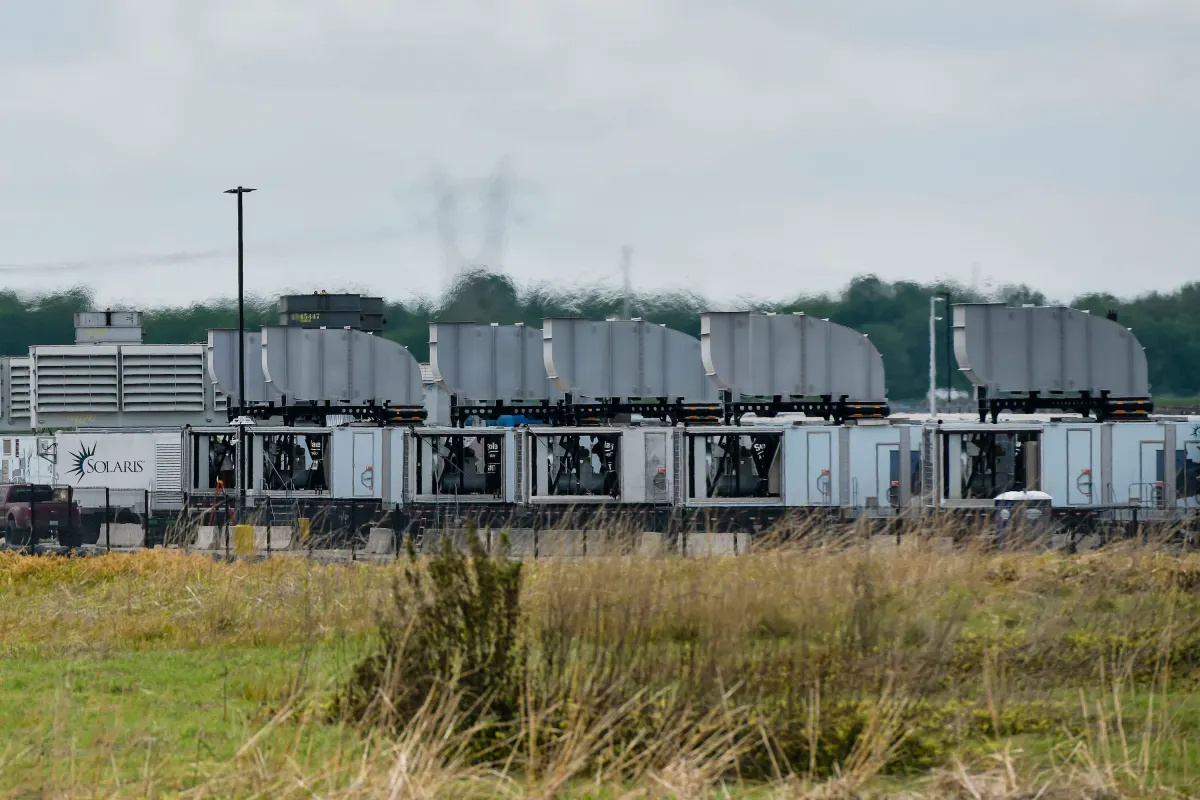

A growing wave of opposition is challenging the rapid expansion of data centers across the United States. Once largely unnoticed by the general public, these facilities – the backbone of cloud computing and increasingly vital for artificial intelligence – are now facing protests and legal challenges in numerous states, fueled by concerns over environmental impact, rising electricity costs, and the broader implications of AI development.
Over the past year, resistance to new data center projects has surged, with 142 activist groups organizing against developments in 24 states, according to Data Center Watch. This marks a significant shift as the industry’s growth, driven by demand for AI and cloud services, directly impacts local communities.
The Rising Backlash Against Data Center Expansion
Construction spending on data centers has skyrocketed 331% since 2021, totaling hundreds of billions of dollars, recent U.S. Census Bureau data reveals. This unprecedented growth is largely attributed to the boom in artificial intelligence and the associated need for massive computing power. However, the speed and scale of the buildout are prompting a strong reaction from residents.
Activists are raising a variety of concerns. Environmental impacts, including water usage and electronic waste, are a key focus. Additionally, the energy demands of these facilities are leading to fears of increased electricity bills for consumers. The ethical considerations surrounding the use of artificial intelligence are also playing a role in the opposition.
Local Concerns Drive Protests
The protests aren’t limited to a single region. In Michigan, demonstrators recently gathered at the state capitol to voice their opposition to the planned construction of 16 new data centers. Similarly, in Wisconsin, local resistance appears to have influenced Microsoft to reconsider a 244-acre project.
In Southern California’s Imperial Valley, the city has filed a lawsuit to challenge the county’s approval of a data center, citing environmental concerns. These examples illustrate a widespread pattern of communities pushing back against projects perceived as detrimental to their well-being.
Political Implications and Economic Arguments
The issue of data center development is gaining political traction, with some analysts suggesting rising electricity costs could be a pivotal factor in the 2026 midterm elections. Activists like Danny Cendejas of MediaJustice argue that public funds are being inappropriately diverted to incentivize these projects while essential community needs remain unmet.
The tech industry, recognizing the growing opposition, is actively attempting to counter the narrative. A new trade group, the National Artificial Intelligence Association (NAIA), is reportedly distributing talking points to lawmakers and organizing tours of existing facilities. Meta and other companies are launching advertising campaigns to highlight the economic benefits of data centers, such as job creation and increased tax revenue.
The Role of AI and Government Initiatives
The current surge in data center construction isn’t solely driven by private sector demand. The Trump administration’s “Stargate Project,” announced in January, signaled a commitment to bolstering AI infrastructure as part of a broader “re-industrialization” effort. This government support has further accelerated the industry’s expansion.
The increasing reliance on cloud computing is another significant factor. As more businesses and individuals move their data and applications to the cloud, the demand for data center capacity continues to grow. This trend is expected to persist, even as concerns about the industry’s impact intensify.
Evidence suggests the protests are having an impact. Data Center Watch estimates that grassroots opposition has already blocked or delayed approximately $64 billion worth of projects. Activists remain optimistic that they can continue to halt developments that they believe are harmful to their communities.
Looking ahead, the tension between the tech industry’s need for expanded computing infrastructure and the concerns of local communities is likely to continue. The outcome of ongoing legal challenges and the effectiveness of industry lobbying efforts will be key factors to watch in the coming months. The debate over the future of data centers and their role in the broader economy is far from settled, and further developments are anticipated throughout 2025 and into 2026.