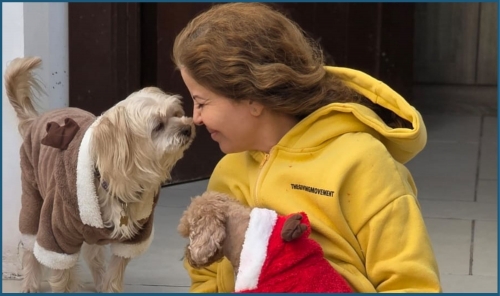

Sara doesn’t see “stray dogs.” She sees “free dogs,” a subtle but powerful distinction that encapsulates her years of dedication to the canine population of Bahrain. This engineer, who arrived in the country in 2015, has become a quiet champion for these often-overlooked animals, a journey fueled by compassion, marked by heartbreaking loss, and driven by a gentle defiance against indifference. Her story, recently shared with The Daily Tribune, is a testament to the impact one person can have.
The Birth of a Mission: East Hidd and the First Mothers
Sara’s involvement began almost accidentally. Arriving in Bahrain to work on large-scale infrastructure projects, including the East Hidd housing development, she quickly noticed a growing number of female dogs seeking refuge amongst the unfinished villas. These dogs were giving birth, raising their puppies in the shadows of future homes. Driven by empathy, Sara began providing food for the mothers, ensuring they had the strength to nurse their young.
This initial act of kindness quickly evolved. She organized vaccinations, protecting the vulnerable puppies from disease, and then diligently sought loving adopters once they were strong enough to thrive. It was a small-scale operation, born of a simple desire to alleviate suffering, but it laid the foundation for a much larger commitment.
The Pandemic and the Harsh Reality of Askar
The situation dramatically worsened with the onset of the Covid-19 pandemic in 2020. The dog population surged, with increased births straining Sara’s already limited resources. However, the real turning point came with a devastating discovery. One morning, she found a litter of puppies had vanished, and their mother was visibly distraught.
Investigations revealed a disturbing truth: a private company had been capturing the dogs and relocating them to the industrial area of Askar, also known as Ras Zuweid. What Sara found there was heartbreaking. Dogs, emaciated and desperate, were drinking polluted water, struggling to survive in a harsh and unforgiving environment. This experience solidified her resolve. From that day forward, she committed to visiting Askar every Friday, supplementing her ongoing work in East Hidd, to provide food and basic medical care. This dedication to dog rescue became her defining purpose.
Facing Violence and Systemic Challenges
Sara’s efforts weren’t without opposition. On New Year’s Eve 2020, while feeding the dogs near the East Hidd construction site, she was attacked by a resident. He threw stones at her and the animals, destroyed their food and water, and attempted to intimidate her.
The incident, documented on TikTok, led to a complaint against Sara, resulting in a ban from entering the East Hidd area. Tragically, the following day, one of the dogs she had raised from birth was found dead. Despite filing a report, no action was taken. Adding to the despair, over 200 dogs disappeared from East Hidd shortly after, reportedly relocated to Askar. This highlighted the systemic challenges faced by animal welfare advocates in Bahrain.
The Plight of Abandoned Pedigree Dogs
Despite the difficulties, Sara continued her work in Askar. Surprisingly, she began encountering abandoned pedigree dogs, including Huskies and Arabian Salukis, adding another layer of complexity to the situation. She successfully rehomed five Salukis, coordinating their adoption to families in the United States and Canada with the help of a friend. This demonstrated the potential for international animal adoption and the global reach of her efforts.
A Home-Funded Haven and a Call for Systemic Change
Currently, Sara provides a safe haven for 15 dogs in her own home, covering all expenses – food, veterinary care, and everything in between – entirely from her personal income. She understands that a long-term solution requires broader systemic change.
Her proposal to the authorities advocates for widespread sterilization campaigns, supported by local veterinary clinics. She suggests offsetting the costs through tax deductions, incentivizing participation and creating a sustainable solution to control the population. The urgency is clear: in December and January alone, over 50 puppies were born in Askar, further exacerbating the existing crisis. She believes proactive animal welfare initiatives are crucial.
Sara’s motivation is beautifully simple: love, mercy, and a profound belief that animals possess an innate understanding of intention. “A dog knows whether the person in front of it comes to feed or to harm,” she explains. Her story is a powerful reminder that even in the face of adversity, compassion can prevail, and one person’s dedication can make a world of difference to the “free dogs” of Bahrain.
Her work serves as an inspiration, and highlights the need for increased awareness and support for animal welfare initiatives in the region. Consider donating to local animal shelters or volunteering your time to help those in need. Sharing Sara’s story can also amplify her message and encourage others to embrace a more compassionate approach to animal care.