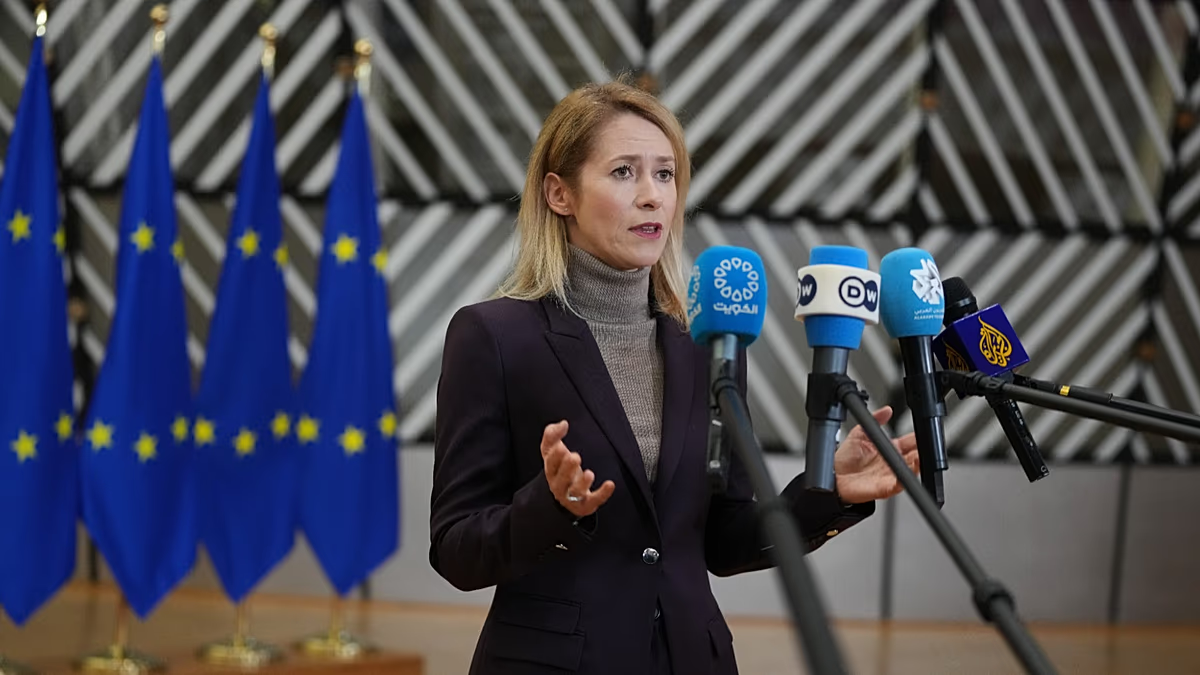

European Union ambassadors are preparing to review a new proposal for sanctions against Iran, spurred by the ongoing and increasingly violent crackdown on protests within the country. The proposed measures, put forward by the Netherlands, would expand the EU’s existing human rights sanctions regime. Discussions are expected to begin as early as today in Brussels, according to diplomatic sources.
The potential sanctions against Iran come as the death toll from demonstrations continues to climb. Reports from organizations like Iran Human Rights, based in Norway, indicate at least 648 protesters have been killed by Iranian security forces since the unrest began nearly two weeks ago. This latest action reflects growing international pressure on Tehran to address the crisis and respect human rights.
EU Considers New Sanctions Against Iran
The proposed EU package focuses on freezing the assets of additional individuals linked to the suppression of protests. This builds upon an already extensive set of sanctions targeting Iranian officials and entities. These existing measures were initially implemented in response to concerns over human rights abuses, Iran’s nuclear program, and its support for Russia’s military actions in Ukraine.
International Condemnation
The move follows strong condemnation from Western leaders regarding the Iranian government’s response to the protests. French President Emmanuel Macron denounced the “state violence” used against demonstrators, while German Chancellor Friedrich Merz characterized the force employed as “disproportionate and brutal,” suggesting it reveals a “sign of weakness” within the regime.
The protests were ignited by the death of Mahsa Amini, a 22-year-old woman who died in custody after being arrested by Iran’s morality police for allegedly violating dress code rules. Human Rights Watch has documented a pattern of abuse by Iranian security forces, including the use of excessive force against peaceful protesters.
Current EU Sanctions Regime
Currently, the EU has sanctioned over 230 Iranians, including key figures like Interior Minister Ahmad Vahidi and members of the Islamic Revolutionary Guard Corps (IRGC). These sanctions also extend to more than 40 entities believed to be involved in activities that violate human rights or contribute to nuclear proliferation. The EU’s approach centers on diplomatic and economic pressure.
Additionally, the EU is considering further measures to hold Iranian officials accountable for the escalating violence. The specifics of these potential actions remain under discussion, but they could include restrictions on visas and further asset freezes. The goal is to signal a clear message that the EU will not tolerate the suppression of peaceful dissent.
However, the EU’s strategy differs significantly from that of the United States. While the EU emphasizes sanctions and diplomatic pressure, US President Donald Trump has publicly threatened “very hard” military action against Iran if its leaders continue to harm protesters. US media outlets report that the administration is actively evaluating options for potential military strikes, though no decisions have been announced.
This divergence in approach highlights the complex geopolitical landscape surrounding the Iranian crisis. The EU seeks to maintain a dialogue with Tehran, while also demonstrating its commitment to human rights. The US, on the other hand, appears more willing to consider a more forceful response. The situation is further complicated by Iran’s nuclear ambitions and its regional alliances.
The adoption of these new sanctions against Iran would represent a significant escalation in the EU’s response to the ongoing unrest. It would also align the EU more closely with international efforts to pressure the Iranian government to respect human rights and engage in meaningful dialogue. The effectiveness of these measures, however, remains to be seen.
Looking ahead, the outcome of the EU ambassadors’ meeting will be crucial. If approved, the new sanctions against Iran will likely be implemented swiftly. Observers will be watching closely to see how Tehran responds to the increased pressure and whether the measures lead to any de-escalation of the violence. Stay informed about developments in this evolving situation by following reputable news sources.