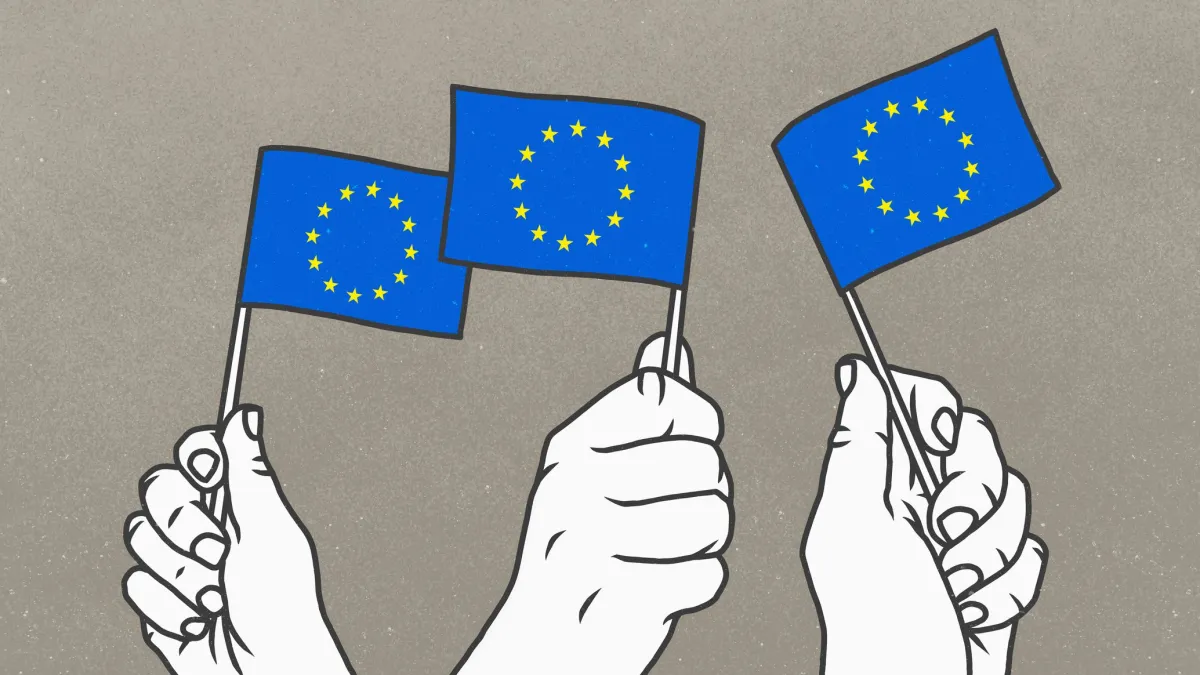

Europe’s startup ecosystem is signaling a potential shift, moving beyond its historical reputation as a secondary market to the United States. Recent indicators, highlighted at this year’s Slush conference in Helsinki, suggest the region is poised for significant growth and may be on the cusp of producing its first trillion-dollar company. This transformation is fueled by increased investment, a maturing market, and a growing confidence among European founders.
The Rise of European Startups
For years, European founders often relocated to Silicon Valley to secure funding and scale their businesses, or accepted earlier exits due to limited local capital and customer bases. However, the landscape is changing. While some U.S. venture capital firms experimented with European offices – with mixed results, like OMERs Ventures’ recent pullback – overall investment from the U.S. into European startups has demonstrably increased in the last five years, according to multiple investors at Slush. Andreessen Horowitz and IVP both announced London office openings, though Andreessen later closed its location.
Shifting Investor Sentiment
The perception of Europe as undercapitalized is increasingly viewed as outdated. Investors are noting a growing pool of available capital and a greater willingness to invest in European ventures. This shift is partially attributed to the success of companies like Spotify and Klarna, which have demonstrated the potential for European startups to achieve global scale. Additionally, the increasing number of experienced startup employees, bolstered by the financial security gained from previous successes, are now launching their own ventures.
Meanwhile, European companies are demonstrating a greater willingness to remain in Europe, even when faced with pressure from U.S. investors to relocate. Lovable, a vibe-coding platform, credits its rapid growth – reaching $200 million in annual recurring revenue within a year of launch – to its decision to stay in Stockholm and recruit experienced Silicon Valley talent instead of moving to the United States. This trend signals a growing confidence in the European ecosystem.
Maturing Market and Regulatory Support
The European market itself is maturing, with startups now contributing a more significant portion of the region’s GDP than in the past. Taavet Hinrikus, a partner at Plural and early employee at Skype, noted that the European market is roughly a decade behind the U.S., but has reached a point where startups are fully mainstream. This maturation is attracting more investment and fostering a more supportive environment for innovation.
Regulatory changes are also playing a role. The European Union is moving towards allowing startups to register across all EU countries simultaneously, streamlining the process and reducing administrative burdens. This initiative, expected to be implemented next year, aims to foster greater cross-border collaboration and facilitate scaling. However, the implementation of these regulations will present its own set of challenges.
Challenges Remain for Tech Adoption
Despite the positive momentum, challenges persist. European enterprises are generally less inclined to adopt new technologies from startups compared to their American counterparts. This hesitancy can hinder the growth of innovative companies and limit their access to crucial early adopters. Overcoming this resistance will be key to unlocking the full potential of the European tech sector.
The increasing availability of venture capital is also not evenly distributed across the continent. While hubs like London, Berlin, and Stockholm are thriving, other regions may struggle to attract investment. Addressing this regional disparity will be crucial for ensuring inclusive growth.
The overall sentiment at Slush was overwhelmingly optimistic, with many attendees believing Europe is finally ready to come into its own. The conference’s welcome banner encapsulated this feeling: “Still doubting Europe? Go to Hel.”
Looking ahead, the success of the EU’s regulatory changes next year will be a key indicator of its commitment to fostering a more favorable environment for startups. The continued growth of existing European success stories and the emergence of new, ambitious ventures will also be crucial. While the path to a trillion-dollar startup remains uncertain, the momentum suggests Europe is well-positioned to become a major force in the global innovation landscape.