
The Gaza Strip is facing a monumental reconstruction challenge following recent events, with an estimated 3,000 kilometers of roads destroyed. Damage losses are currently estimated at $67 billion, according to a World Bank report, highlighting the immense scale of the reconstruction needed to restore basic infrastructure and vital services. This figure underscores the long-term economic and humanitarian impact on the region.
The conflict has left a devastating impact on civilian infrastructure, significantly hindering movement and access to essential resources. Preliminary estimates from the Ministry of Public Works and Housing place the cost of early recovery, reconstruction, and development through 2030 at approximately $23 billion. These estimates are likely to evolve as increasingly detailed assessments become available and the scope of required repairs becomes clearer.
The Scope of the Gaza Reconstruction Effort
The World Bank’s analysis points to a multifaceted reconstruction plan, outlining a timeline spanning five years and divided into three phases. These phases will attempt to address the key obstacles hindering progress, including restrictions on the import of building materials and heavy machinery. The sheer volume of debris – approximately 60 million tonnes – also presents a significant logistical and environmental challenge.
Additionally, the lack of available public land to build new housing is a major concern, with roughly 353,000 families currently displaced. Securing adequate funding and navigating the existing control over material entry mechanisms are further complicating factors. The ministry aims to integrate these challenges into a cohesive recovery strategy.
Infrastructure Damage Details
Beyond the extensive road damage, the conflict has impacted residential buildings, hospitals, schools, and power and water networks. A comprehensive assessment of the damage to these critical systems is ongoing, but initial reports suggest widespread destruction. The breakdown of these services substantially affects public health and overall living conditions.
Financial Concerns & Aid Distribution
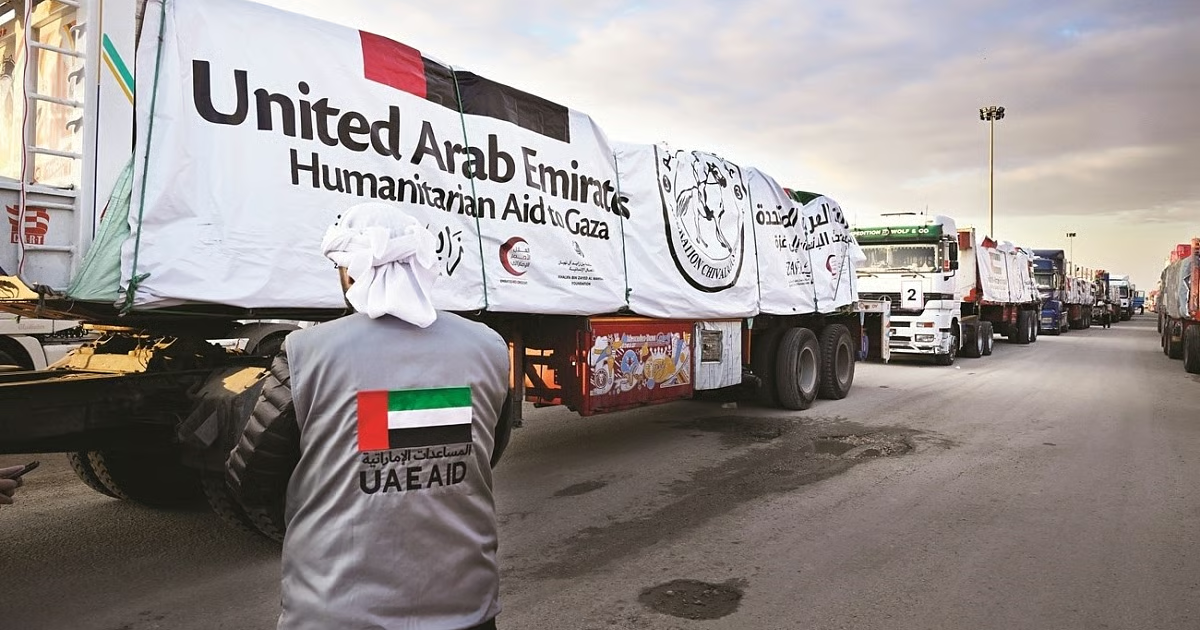
The $67 billion estimate from the World Bank represents a substantial financial burden, requiring significant international support. Ongoing aid efforts, like the recently launched “Warmth and Safety” campaign, are crucial for immediate relief. The campaign, a partnership between the International Charity Organisation and “Chivalrous Knight3,” focuses on providing winter supplies to mitigate the suffering of affected families.
Distribution of aid is currently underway across the five governorates of the Gaza Strip:
- North Gaza Governorate: 77,023 families
- Gaza Governorate: 162,521 families
- Central Governorate: 56,661 families
- Khan Younis Governorate: 94,114 families
- Rafah Governorate: 31,722 families
These numbers illustrate the widespread need for assistance throughout the entire region. Effective and equitable distribution remains a central priority for humanitarian organizations.
Challenges to Successful Reconstruction
The reconstruction process isn’t solely a matter of financial investment; it is deeply intertwined with political and logistical hurdles. Restrictions on the movement of goods and people, imposed for security reasons, significantly impede the delivery of essential building materials. These limitations extend to heavy machinery necessary for clearing rubble and initiating large-scale construction projects.
Humanitarian actors are also navigating the complexities of working through harsh weather conditions, particularly during the winter months. The need for shelter, combined with a scarcity of land, has created issues surrounding the temporary housing, and the criteria for long-term housing programs are still being developed. A sustainable approach to urban planning is paramount to prevent similar vulnerabilities in the future.
Furthermore, the safe and environmentally sound disposal of the approximately 60 million tonnes of rubble is a significant undertaking. The process involves identifying suitable disposal sites and implementing methods to minimize health risks and environmental damage. This will require specialized equipment and expertise, bolstering the need for international assistance in environmental remediation.
The scale of the destruction requires sustained, coordinated efforts from various stakeholders, including international organizations, governments, and local communities. Without addressing the underlying political challenges, the long-term success of the reconstruction effort remains uncertain.
Looking ahead, the focus will remain on securing increased funding commitments and streamlining the delivery of aid. The coming months will be critical in establishing a clear roadmap for the three-phase reconstruction plan, determining specific priorities, and setting realistic timelines. International observers will be watching closely for any changes to existing restrictions that could either facilitate or hamper progress, and for long-term solutions to address the humanitarian crisis in Gaza.