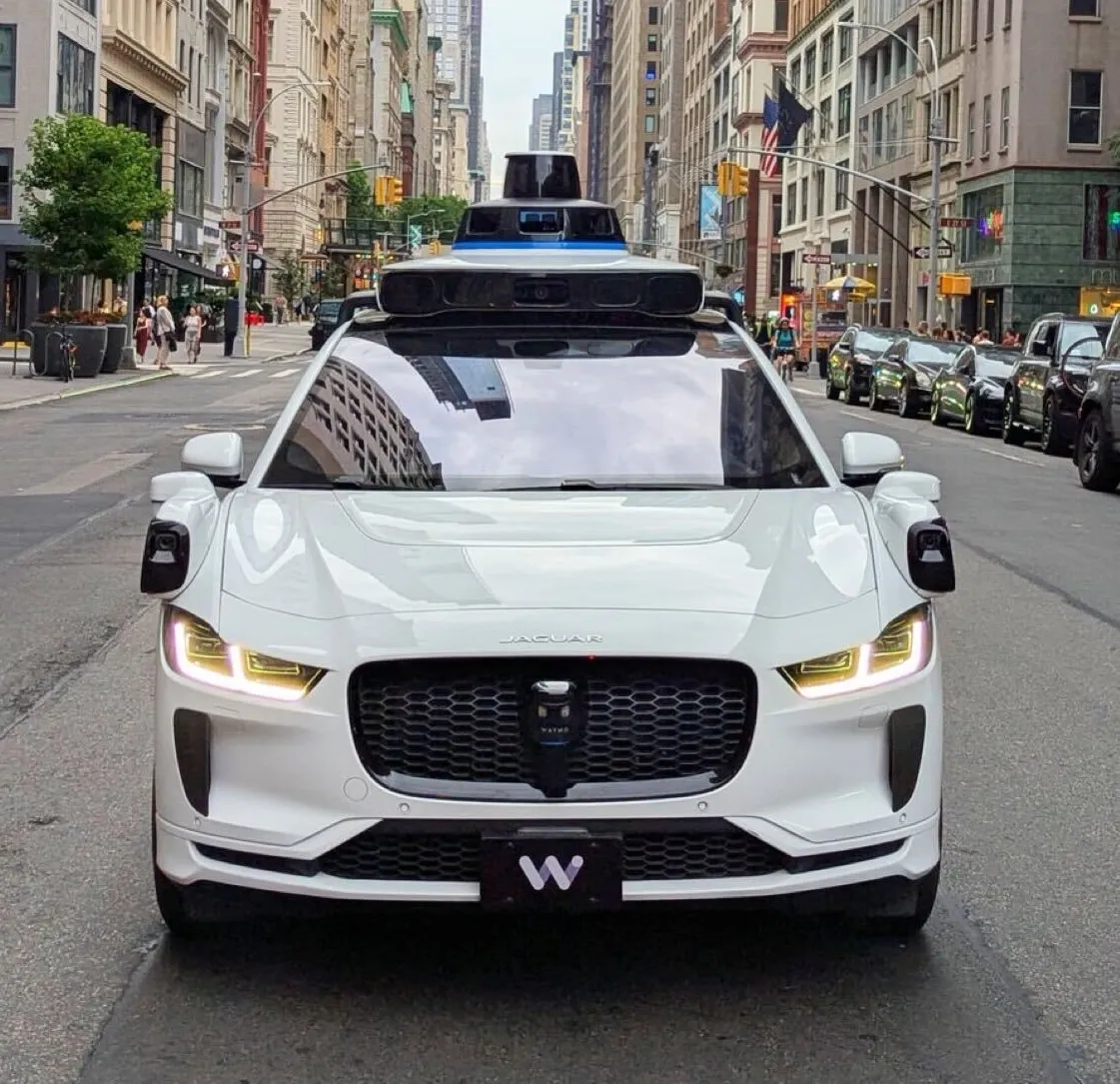

The race to deploy robotaxis is accelerating, with companies like Waymo, Uber, and Avride expanding testing and launching limited services across the United States. However, recent incidents and regulatory scrutiny are raising critical questions about the safety and readiness of this emerging technology. While advancements continue, public perception and real-world performance will be key determinants of widespread adoption.
Robotaxi Expansion Meets Increasing Scrutiny
Waymo recently initiated autonomous vehicle testing, with human safety monitors, in Philadelphia and announced plans for data collection through manual driving in Baltimore, St. Louis, and Pittsburgh. Meanwhile, Uber and its Advanced Technologies Group partner, Avride, have begun operating a robotaxi service in Dallas, initially with a human safety operator present. These deployments highlight an increasing confidence – and investment – in self-driving technology.
However, this progress is not without challenges. The National Highway Traffic Safety Administration (NHTSA) has requested further information from Waymo following reports from the Austin school district that its vehicles illegally passed school buses on 19 occasions this year. This has prompted an ongoing investigation into Waymo’s operational safety around school buses, specifically concerning its ability to correctly interpret and respond to flashing lights and stop signals.
A separate incident involving a Waymo vehicle and a beloved local cat, affectionately known as KitKat, has further fueled public debate. The cat was fatally struck by a Waymo robotaxi in October, and newly released surveillance footage shows a pedestrian attempting to coax the cat to safety before the vehicle proceeded. The incident has drawn criticism of Waymo’s object detection and response protocols, adding to the scrutiny faced by the industry.
Regulatory Developments & the Future of Autonomous Driving
The California Department of Motor Vehicles (DMV) has recently revised its regulations, allowing for the testing and eventual deployment of self-driving trucks on public highways within the state. These rules represent a significant step toward the integration of autonomous vehicles into commercial transportation. The updated framework focuses on safety requirements, data reporting, and operational guidelines.
Beyond robotaxis, several other companies are experiencing notable changes within the broader autonomous vehicle landscape. Lucid Motors, an electric vehicle manufacturer developing self-driving capabilities, has seen a series of executive departures, including its former CEO and Chief Technology Officer, Peter Rawlinson, and Chief Designer, Eric Bach. The company is filling these positions with a combination of internal promotions and external hires while simultaneously ramping up production of its Gravity SUV.
Deals Driving Innovation in the Space
Financial activity indicates continued investment in autonomous vehicle technology. Beta Technologies, an electric aircraft maker, has secured a deal to supply Eve Air Mobility with electric pusher motors, potentially worth $1 billion over ten years. Beta also reported a doubling of revenue in the third quarter, although net losses have increased substantially.
Other recent funding rounds include $7.4 million for Autolane, a company focused on “air traffic control” for autonomous vehicles, and $100 million for Heven AeroTech, a developer of hydrogen-powered drones. Element Fleet Management acquired Car IQ, a connected vehicle payments company, for $80 million, and Wayve, a UK-based self-driving startup, acquired Quality Match, a German data analysis firm.
What to Watch Next
The coming months will be crucial for the robotaxi industry. NHTSA’s investigation into Waymo’s school bus interactions will likely set a precedent for safety standards. Further expansion of robotaxi services in cities like Dallas will offer real-world data on public acceptance and operational efficiency. The adoption of new regulations in California regarding autonomous trucking will be a key indicator of the broader regulatory environment evolving for all forms of self-driving technology. Ultimately, public trust—and demonstrable safety—will determine the future of this transformative technology.
The rollout of advanced driver-assistance systems (ADAS) and the development of full autonomy face ongoing challenges, and the ongoing interplay between innovation, regulation, and public perception will shape the trajectory of autonomous vehicles for years to come. The next major development to watch includes further data releases and analyses of performance from current robotaxi deployments, and any potential policy changes impacting testing or commercial operation.