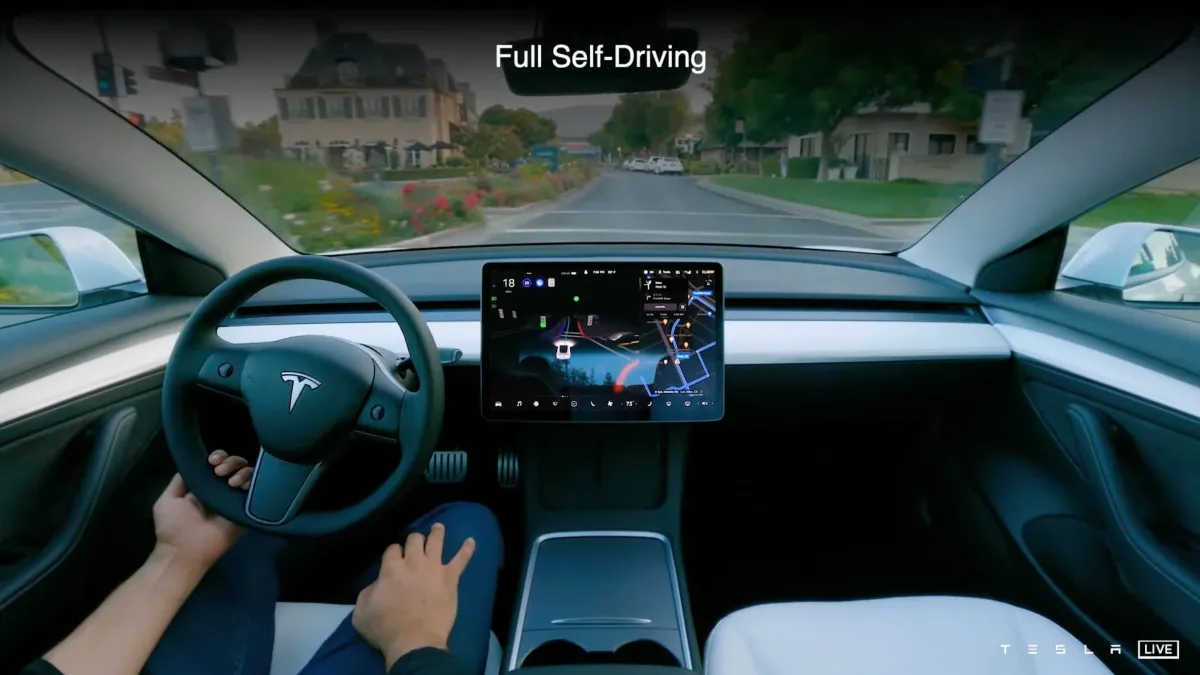

Tesla’s ambitions to roll out its Full Self-Driving (FSD) technology in Europe have hit a snag, following a clarification from Dutch regulators regarding the timeline for approval. The electric vehicle manufacturer announced via social media that the Netherlands’ Rijksdienst voor het Wegverkeer (RDW) had committed to granting national approval for Full Self-Driving in February 2026, a claim the RDW has now partially refuted. This development casts a shadow on Tesla’s expansion plans and the broader introduction of advanced driver-assistance systems in the region.
The initial announcement prompted excitement among Tesla enthusiasts eager for increased automation in their vehicles. However, the RDW swiftly responded, stating that Tesla intends to demonstrate the FSD Supervised system in February 2026, not necessarily receive final regulatory approval at that time. The agency emphasized that its primary focus remains traffic safety.
Understanding the Full Self-Driving Regulatory Hurdles
Tesla’s Full Self-Driving capability, currently available in several countries including the United States, Australia, and Canada, is a contentious topic. It’s vital to understand the system isn’t truly “self-driving” despite its name. It’s classified as Level 2 automation, requiring constant driver supervision and intervention. The system offers features like automated steering, lane changes, and navigation on both highways and city streets.
European regulations surrounding automated driving are considerably stricter than those in North America. Unlike some regions where manufacturers can deploy systems with a pledge to upgrade safety features later, Europe prioritizes upfront compliance with comprehensive safety standards. Testing and approval procedures involve demonstrating complete adherence to these standards before any advanced driver-assistance system can be legally used on public roads.
The Role of the RDW
The RDW plays a central role in vehicle approval within the Netherlands. As the primary agency responsible for road transport, it assesses vehicles and technologies to ensure they meet required safety levels. Its approval is seen as significant, potentially influencing decisions by other European regulators. A positive assessment from the Netherlands can pave the way for wider adoption of Tesla’s FSD throughout the European Union.
According to the RDW website statement, the organization and Tesla are aligned on the steps needed for evaluation. The upcoming demonstration in February will allow the agency to observe FSD Supervised’s performance in real-world conditions. The RDW made it clear that whether or not the demonstration translates into approval within their stated timeframe remains uncertain.
Why the Discrepancy?
The difference in interpretation between Tesla and the RDW likely stems from differing definitions of “approval.” Tesla’s announcement appears to have communicated a commitment for a final decision, while the RDW views February 2026 as the date for a crucial demonstration. This highlights the delicate nature of the regulatory process and the potential for miscommunication.
The timing is also noteworthy, coinciding with increased scrutiny of automated driving systems globally. Recent investigations by the National Highway Traffic Safety Administration (NHTSA) in the United States have focused on Tesla’s Autopilot and FSD features, raising concerns about their safety and effectiveness. These investigations might be contributing to a more cautious approach in Europe. Concerns regarding automated driving are escalating.
Impact on Tesla and the Broader Automotive Industry
Delayed approval for FSD in Europe could have significant financial implications for Tesla. European markets represent a substantial growth opportunity for the company, and the ability to offer FSD—currently an $8,000 upgrade—would enhance its revenue streams. A prolonged wait could also impact Tesla’s competitive position in the region, where other automakers are actively developing and deploying their own advanced driver-assistance technologies.
This situation extends beyond Tesla, impacting the development and rollout of advanced driver-assistance systems (ADAS) across the industry. The stringent European regulations are forcing manufacturers to prioritize safety and demonstrate robust performance before introducing these technologies to consumers. This could lead to slower adoption rates, but ultimately aims to ensure a safer road environment.
Furthermore, the incident reinforces the need for clear communication and standardized testing procedures for automated driving systems. It underscores that regulatory approval is not a foregone conclusion, even for established players like Tesla. The slow pace to overcome these hurdles is impacting the autonomous vehicle market.
The next critical step will be Tesla’s demonstration of the FSD Supervised system to the RDW in February 2026. The outcome of this assessment will determine whether a formal approval process can begin. Industry observers will be closely watching to see if Tesla can address the RDW’s safety concerns and demonstrate that its FSD technology meets European standards. The timeline for a final decision, and thereby the introduction of FSD to European drivers, remains uncertain and will likely depend on the results of the demonstration and any subsequent requests for further testing or modifications.