
JEDDAH — A significant cold wave is forecast to bring freezing temperatures to several regions of Saudi Arabia on Wednesday and Thursday, according to the National Center of Meteorology (NCM). The anticipated drop in temperature poses potential risks to residents and infrastructure across northern and central parts of the Kingdom. This marks the third such weather system to affect the country this winter season.
The NCM predicts minimum temperatures between 3°C and 1°C below zero in parts of Al-Jouf, the Northern Borders, Hail, Qassim, and Riyadh regions. Residents in these areas are advised to prepare for potentially hazardous conditions, especially during the early morning and late evening hours. The forecast also mentions the possibility of frost formation in some locations.
Understanding the Current Cold Wave in Saudi Arabia
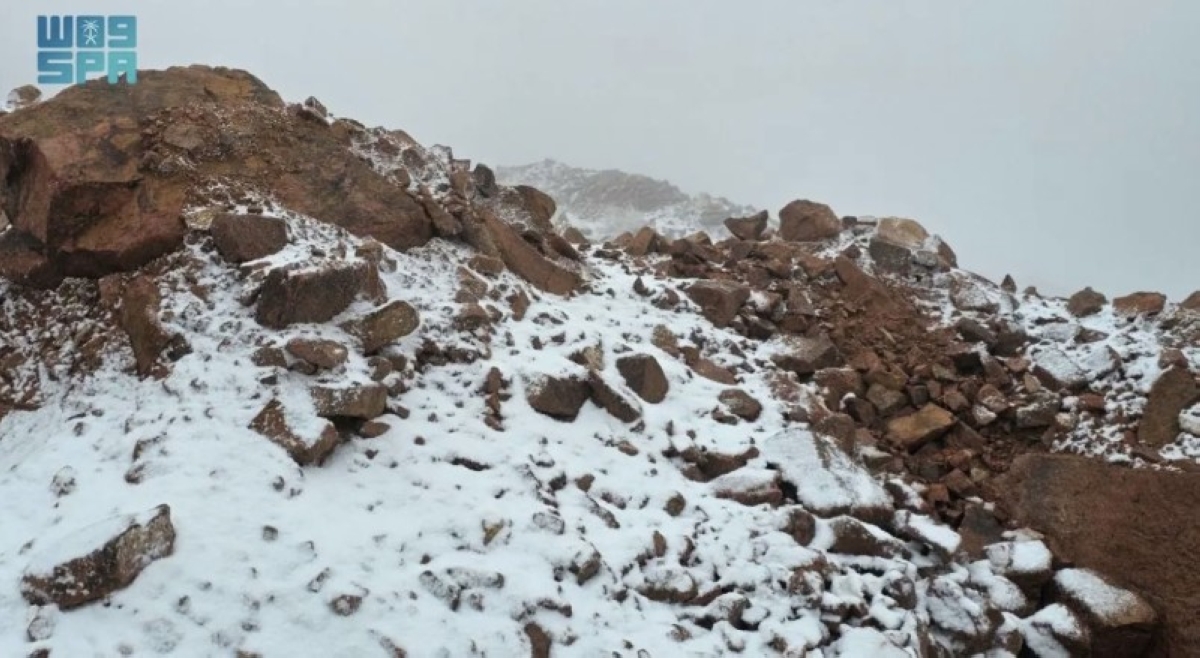
Cold waves are not uncommon in Saudi Arabia during the winter months, particularly in the higher elevations of the north and west. However, the frequency and intensity of these systems appear to be increasing, prompting greater attention from meteorological authorities and public safety officials. This year’s winter has already seen two previous cold snaps, with the first in mid-December bringing unusual snowfall to areas like Hail and Tabuk.
Factors Contributing to the Cold Weather
The current cold wave is attributed to a high-pressure system originating from Eastern Europe, extending its influence over the Arabian Peninsula. This system is drawing in colder air masses from the north, resulting in the sharp temperature decrease. Additionally, clear skies and calm winds are expected to exacerbate the cooling effect, allowing heat to radiate away from the surface more efficiently.
The NCM is continuously monitoring the development and movement of this weather system. They are utilizing advanced weather modeling and observational data to provide accurate and timely forecasts to the public. This proactive approach is crucial for mitigating the potential impacts of the cold weather.
The potential for disruption extends beyond personal comfort. Agriculture, particularly in the affected regions, could face challenges with potential crop damage due to freezing temperatures. Infrastructure, such as water pipes, is also vulnerable to bursting in extremely cold conditions.
Authorities are urging residents to take several precautions. These include wearing warm clothing, especially when outdoors, and ensuring adequate heating in homes. It is also recommended to protect sensitive plants and animals from the cold and to check on elderly or vulnerable neighbors. The Ministry of Health has issued guidance on preventing and treating cold-related illnesses.
The previous cold wave in December, which brought winter weather and snow, highlighted the importance of preparedness. That event led to school closures and travel disruptions in some areas, demonstrating the potential for significant impact. The NCM is working to improve early warning systems and public awareness campaigns to minimize future disruptions.
While the current forecast focuses on the northern and central regions, cooler temperatures are expected to be felt across much of the Kingdom. Coastal areas may experience increased wind chill, making it feel even colder. The impact on cities like Riyadh could be substantial, given the large population and reliance on outdoor activities.
The NCM’s forecasts are regularly updated and disseminated through various channels, including their website, social media platforms, and television broadcasts. Residents are encouraged to stay informed about the latest weather developments and heed any warnings or advisories issued by the authorities. Accurate and timely information is key to ensuring safety during periods of extreme weather.
Looking ahead, the NCM indicates that the cold wave is expected to gradually subside by Friday. However, temperatures are likely to remain below seasonal averages for the foreseeable future. Continued monitoring of weather patterns is essential, as further cold systems could develop later in the winter season. The long-term effects of these repeated cold waves on the region’s climate remain a subject of ongoing research.
The situation will be closely watched for any changes in the intensity or duration of the cold wave. Further updates and potential adjustments to the forecast will be provided by the NCM as the weather system evolves. Residents are advised to remain vigilant and prepared for potentially challenging conditions.