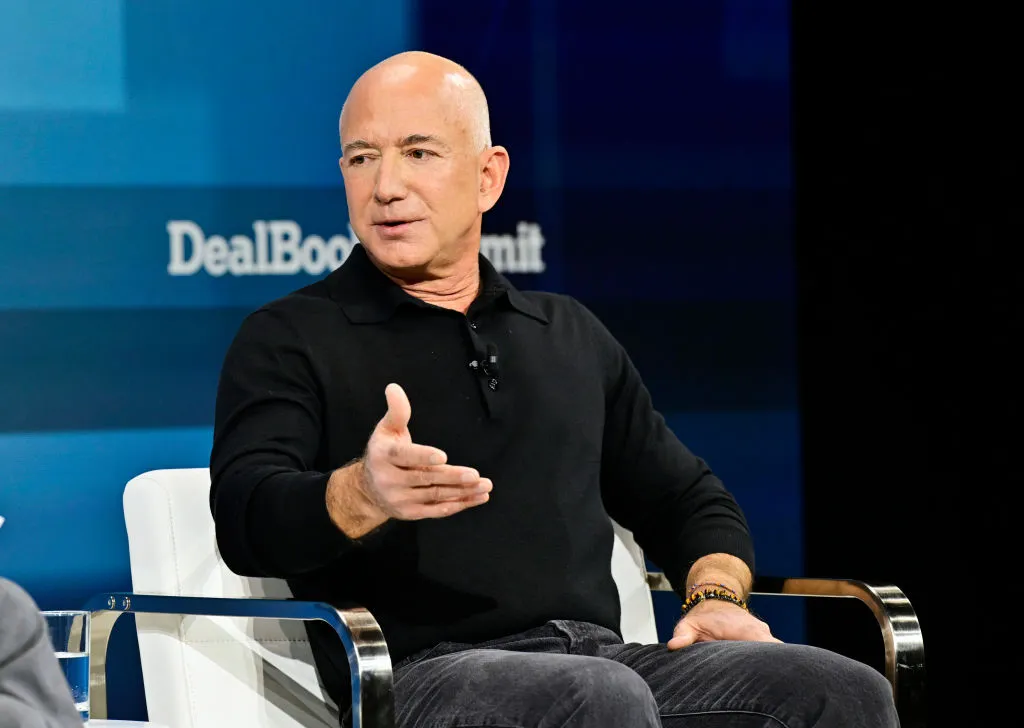

Tech executives significantly reduced their stakes in their companies throughout 2025, collectively selling over $16 billion in stock, according to a recent Bloomberg analysis. This wave of selling occurred amidst a year of unprecedented gains for the technology sector, largely driven by enthusiasm surrounding artificial intelligence. The activity raises questions about executive confidence and potential future market direction.
Leading the charge was Amazon founder Jeff Bezos, who divested $5.7 billion worth of Amazon shares in June and July. Oracle’s former CEO Safra Catz and Michael Dell followed with sales totaling $2.5 billion and $2.2 billion respectively, demonstrating a broad trend of profit-taking at the highest levels of the industry.
The Surge in Tech Stock Sales
The substantial volume of stock sales in 2025 represents a notable increase compared to previous years. While executives routinely sell shares, the sheer scale of these transactions, coupled with the timing during a period of record-high valuations, has drawn attention from investors and analysts. This activity occurred as the Nasdaq Composite index reached new all-time highs, fueled by investor optimism regarding the potential of AI technologies.
AI as the Primary Catalyst
The artificial intelligence boom was the dominant force driving up valuations across the tech landscape. Nvidia, a key player in the AI chip market, saw its market capitalization surpass $5 trillion, and CEO Jensen Huang sold $1 billion in shares. Similarly, Arista Networks, benefiting from increased demand for its networking infrastructure supporting AI applications, experienced a surge in its stock price, prompting CEO Jayshree Ullal to sell nearly $1 billion worth of holdings.
However, it’s important to note that many of these sales were executed through prearranged trading plans, often referred to as 10b5-1 plans. These plans allow executives to schedule sales in advance, mitigating concerns about insider trading and providing a structured approach to managing their personal wealth. The SEC has recently increased scrutiny of these plans, seeking to ensure they are not being used to exploit non-public information.
Beyond AI: Diversification and Personal Finances
While AI was a major driver, other factors likely contributed to the selling pressure. Some executives may have sought to diversify their personal portfolios, reducing their concentration in a single sector. Additionally, large stock holdings can be used for estate planning or philanthropic endeavors.
Meta’s Mark Zuckerberg, for example, sold $945 million in shares through his foundation, likely to fund charitable initiatives. Palo Alto Networks CEO Nikesh Arora and Robinhood co-founder Baiju Bhatt each realized over $700 million from stock sales, potentially for personal financial planning purposes. These transactions highlight the multifaceted reasons behind executive selling activity.
The broader market context also played a role. Concerns about potential economic slowdowns and rising interest rates, despite a generally positive outlook, may have prompted some executives to lock in profits while valuations remained high. The Federal Reserve’s monetary policy decisions throughout 2025 were closely watched by investors, influencing market sentiment and executive behavior.
In contrast to the selling by Bezos, Catz, and Dell, some tech leaders maintained or even increased their holdings. This divergence suggests varying levels of confidence in their companies’ long-term prospects and individual financial strategies. The differing approaches underscore the complexity of executive decision-making regarding their stock ownership.
The increased trading activity also comes as regulatory bodies continue to debate potential changes to rules governing executive compensation and stock options. Proposals to tie executive pay more closely to long-term performance and sustainability are gaining traction, potentially influencing future executive behavior.
Additionally, the rise of retail investing and increased market transparency have put greater scrutiny on executive transactions. Social media platforms and financial news outlets quickly disseminate information about insider sales, potentially impacting investor perceptions and stock prices. This heightened awareness adds another layer of complexity to the decision-making process for tech leaders.
Looking ahead, the market will be closely monitoring executive selling activity in the coming months. Any significant increase in sales could signal waning confidence in the sustainability of the current tech rally. The next earnings season, beginning in January 2026, will provide further insights into company performance and executive outlooks. Uncertainty remains regarding the long-term impact of AI on the technology sector and the broader economy, making continued vigilance essential for investors.