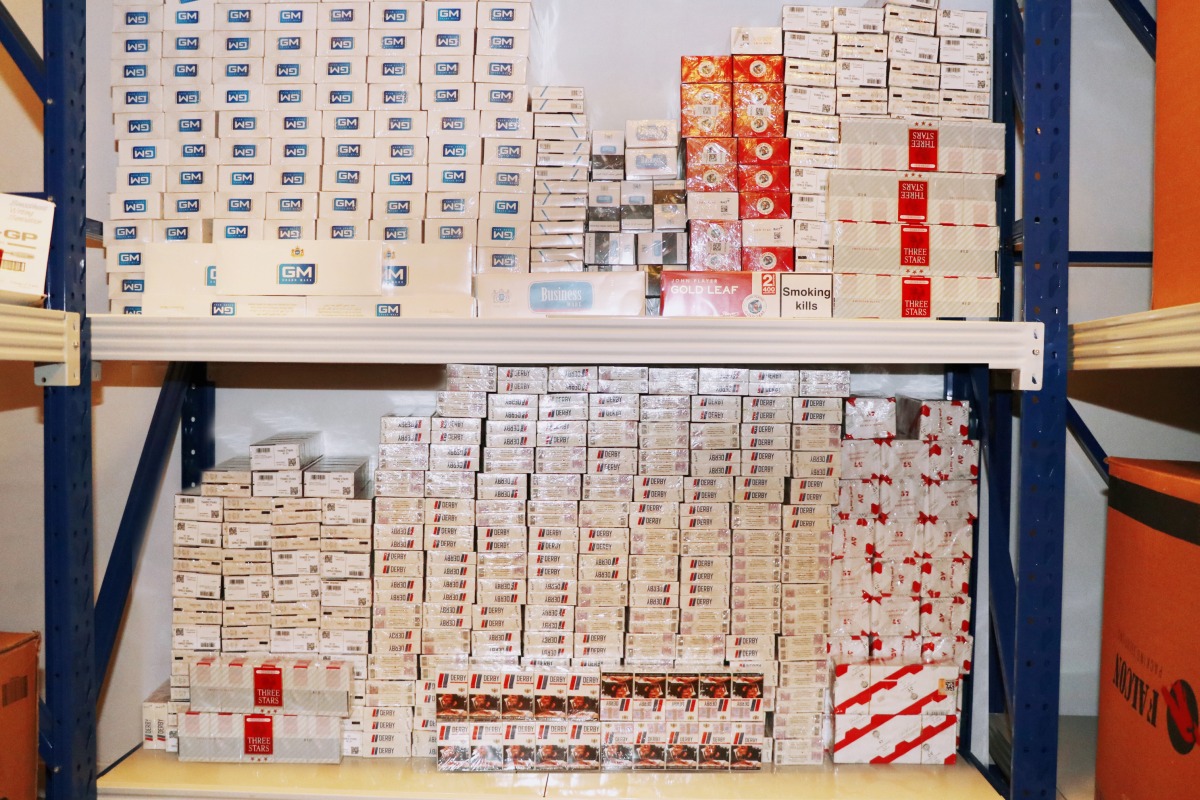

Doha, Qatar – The General Tax Authority (GTA) of Qatar has recently intensified its efforts to enforce the Excise Tax Law, leading to the seizure of over 5,000 packs of illicit tobacco products from various retail outlets. These enforcement actions, taken as part of ongoing regulatory campaigns, aim to curb the illegal circulation of tobacco and protect public health. The GTA’s initiatives align with national strategies focused on reducing smoking rates and enhancing consumer safety.
The seizures, reported this week, involved tobacco products lacking the mandatory approved tax stamps and failing to meet required specifications. Legal proceedings have begun against the owners of the non-compliant stores, with further action anticipated under Qatari law. This crackdown on excise violations signals a firm commitment to tax compliance within the country’s retail sector.
Strengthening Excise Tax Enforcement in Qatar
The GTA’s heightened vigilance is rooted in a broader strategy to combat illicit trade and reduce the health risks associated with smuggled and unregulated tobacco products. According to the GTA, the illicit trade often introduces products of questionable quality and potentially greater harm to consumers. These actions also support Qatar’s participation in international health standards.
Phased Implementation of the Tax Stamp System
The current enforcement builds upon the phased rollout of Qatar’s tax stamp system, initiated in 2022. The first and second phases focused on infrastructure and importer registration. The third phase, launched in early 2023, extended the requirement for approved tax stamps to all tobacco products circulated within local markets, marking a significant step towards full traceability and control.
A tax stamp utilizes a unique physical label or digital code containing encrypted data, allowing authorities to verify the authenticity and tax payment status of goods. This system enhances transparency and makes it more difficult for counterfeit or illegally imported products to enter the market. The system is part of a wider effort to increase tax revenue in the state.
These measures are explicitly linked to Qatar’s Third National Development Strategy (2024-2030) and the National Health Strategy. Both strategies prioritize public health improvements, including a reduction in smoking prevalence. The imposition of taxes on tobacco products is considered a key component in discouraging consumption and funding public health initiatives.
The GTA emphasized the importance of compliance for all businesses involved in the tobacco supply chain. Importers are specifically urged to register on the “Dhareeba” platform and utilize the excise goods track-and-trace system. The authority clearly states that the import or circulation of any excise goods without valid, activated stamps is prohibited.
Furthermore, the GTA’s actions mirror international best practices, specifically aligning with the World Health Organization Framework Convention on Tobacco Control. This convention encourages countries to implement measures to reduce tobacco demand and supply, ultimately protecting public health. Experts suggest that similar enforcement actions around excise duties on other products may follow.
While the initial focus has been on retail outlets, the GTA continues to analyze and audit the entire supply chain to detect and prevent illegal trade. This comprehensive approach includes monitoring import activities and collaborating with customs authorities to intercept contraband. Challenges to effective enforcement include the sophistication of smuggling operations and the potential for illicit production within the region. Tobacco consumption rates are also a key metric for evaluating the strategy’s long-term success.
Looking ahead, the GTA has affirmed its dedication to ongoing inspection campaigns and maintaining the integrity of the excise tax system. Future developments will likely involve increased use of digital technologies for tracking and monitoring tobacco products, as well as stricter penalties for non-compliance. The authority’s next steps also hinge on the effectiveness of the “Dhareeba” platform in identifying and addressing illicit activity. The long-term impact of these measures on smoking rates and public health remains to be seen, and will be a key area of observation for policymakers and health officials.