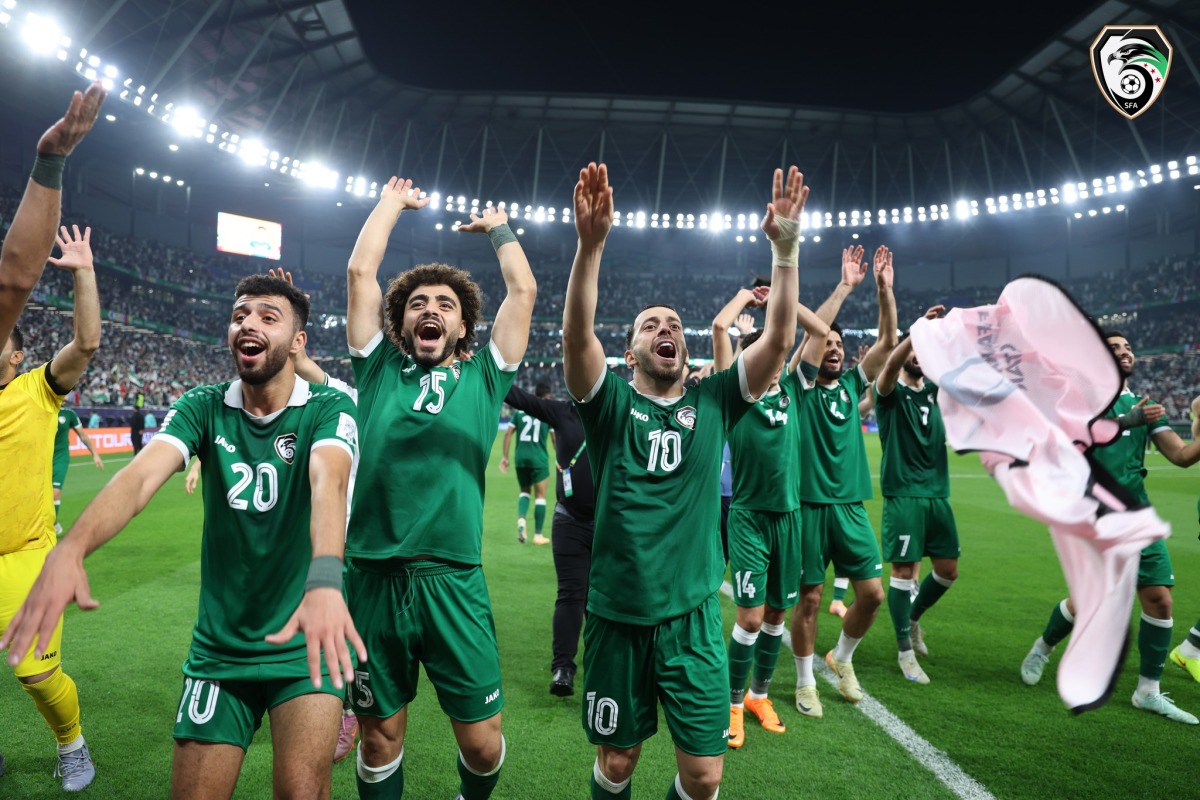

Syria’s impressive run at the FIFA Arab Cup 2025 concluded with a narrow 1-0 defeat to Morocco in the knockout stage, but the team and its supporters are framing the performance as a pivotal moment for Syrian football. Despite being ranked lower than many of their competitors, Syria advanced from a challenging group that included Qatar and Tunisia, both of whom have qualified for the 2026 FIFA World Cup. This unexpected success has ignited optimism for the future of the national team.
The match, played in Al Rayyan, Qatar, saw a determined effort from Syria against the tournament’s highest-ranked team. While the loss was disheartening, the team’s overall performance throughout the competition exceeded expectations and garnered praise from analysts and fans alike. This marks a significant shift in perception for a nation often overlooked in regional football discussions.
A New Chapter for Syrian Football
Head coach Jose Lana emphasized that the Arab Cup served as a valuable learning experience and a foundation for future growth. Lana, formerly a coach with Spain’s youth national teams, believes the squad possesses considerable potential, particularly among its younger players. He noted the team’s tactical discipline and composure in possession as key strengths demonstrated during the tournament.
“We are on the right path and I think the future is good for us,” Lana stated after the match. He highlighted the presence of several players aged 19 to 22, suggesting a promising core for years to come. The coach stressed the importance of continued development at the club level to nurture this talent.
Exceeding Expectations
Syria’s journey through the Arab Cup was marked by several notable achievements. They not only outperformed higher-ranked teams like Oman and Bahrain but also finished ahead of World Cup-bound Qatar and Tunisia in their group. This success was built on a solid defensive structure and a growing confidence in their attacking play.
Defender Ahmad Faqa, 22, echoed Lana’s sentiments, expressing the team’s unwavering trust in the coach and their belief in building something special. The defensive line, featuring Faqa alongside Abdulrazzak Al Mohammad and full-backs Khaled Kourdoghli and Zakaria Hannan, proved to be a formidable barrier for opposing teams throughout the competition.
Goalkeeper Elias Hadaya, visibly emotional after the defeat, acknowledged the disappointment but also underscored the team’s progress. He expressed a desire to continue fighting for the Syrian people and believes the team is capable of achieving great things with continued hard work and dedication. The team’s resilience and commitment to improvement were consistent themes throughout the tournament.
The Syrian national team has faced significant challenges in recent years, including the ongoing civil war which has disrupted training and limited opportunities for international competition. This strong showing at the Arab Cup represents a beacon of hope and a source of national pride amidst these difficulties. The team’s success has also drawn attention to the potential for football to play a unifying role in the country.
The performance also highlighted the growing tactical sophistication of teams from the Asian Football Confederation (AFC). Syria’s ability to compete with and even surpass established Arab nations demonstrates the increasing competitiveness of football within the region. This trend is likely to continue as AFC teams invest in youth development and coaching infrastructure.
Looking ahead, Syria will now focus on qualifying for future international tournaments, including the AFC Asian Cup and the FIFA World Cup. The team’s next competitive fixture is expected to be a qualifying match for the 2027 AFC Asian Cup, with dates and opponents to be determined by the AFC. The continued development of young players and the implementation of Lana’s tactical approach will be crucial to their success. The long-term impact of this Arab Cup performance on football in Syria remains to be seen, but the initial signs are overwhelmingly positive, offering a renewed sense of optimism for the nation’s sporting future and a potential boost to national team morale.