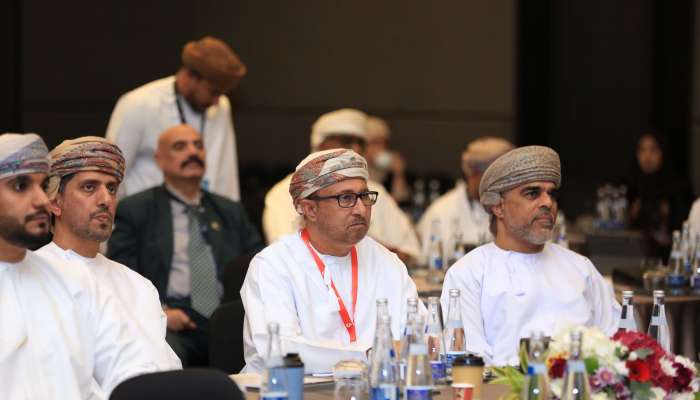

Oman is solidifying its commitment to safe and sustainable tourism, as evidenced by the successful conclusion of the First Annual Symposium on the Security of Tourist Facilities in Muscat. The two-day event, organized by Security and Safety Services in partnership with the Ministry of Heritage and Tourism, brought together over 100 Omani tourism professionals and international experts to address critical aspects of protecting visitors and bolstering the nation’s reputation as a secure destination. The symposium underscored that prioritizing safety isn’t just a preventative measure, but a vital investment in Oman’s economic future.
Enhancing Tourism Security: A Collaborative Approach
The symposium’s core message revolved around the necessity of a unified approach to tourism security. Sessions and workshops focused on sharing international best practices, emphasizing the crucial role of public-private partnerships, and exploring innovative solutions to enhance safety within hotels and tourist attractions. Discussions spanned a broad spectrum of topics, from preventative security measures and emergency response protocols to data protection, staff training, and the integration of digital technologies to improve the visitor experience from arrival at the airport to departure from their hotel.
The Role of Tour Guides as Security Ambassadors
A key takeaway from the event was the recognition of tour guides as pivotal figures in both cultural representation and security. Brigadier General Eng. Saeed Al-Asmi, CEO of Security and Safety Services, highlighted their dual role, explaining how guiding visitors along safe routes and presenting a positive image of Oman builds confidence and contributes to a high-quality tourism experience. This dual function directly impacts visitor satisfaction and, consequently, the overall success of the tourism sector.
Al-Asmi further emphasized that investing in security directly translates to increased return on investment by mitigating risks, attracting foreign direct investment, and fostering a sustainable tourism environment. This perspective positions hotel security not as an expense, but as a strategic asset.
Strengthening Institutional and Civil Society Partnerships
Yusuf bin Rashid Al-Mafraji, Director of Human Resources at the Ministry of Heritage and Tourism, stressed the importance of integrated cooperation between tourism institutions, local authorities, security teams, and civil society. He outlined the need for strategic frameworks aligned with operational objectives, robust cybersecurity measures, comprehensive risk and crisis management plans, and effective evacuation procedures.
Al-Mafraji also championed the development of a strong safety culture through continuous training and the qualification of Omani nationals, promoting safe behaviors among all staff members. These measures, he asserted, not only safeguard lives and property but also elevate the guest experience and contribute to economic stability.
Global Standards and Digital Transformation in Hotel Security
British Security Consultant Kate Ansley delivered a compelling lecture on transitioning hotel security to global standards. She advocated for the adoption of internationally recognized frameworks like ISO 31000 for risk management and ISO 45001 for occupational health and safety. Ansley emphasized that modern hotel security is an integrated approach that protects the brand, guests, and physical facilities.
Her presentation detailed a range of potential risks, including unauthorized access, theft, fire, cybersecurity breaches, and disruptions from political unrest. To mitigate these threats, she recommended implementing smart access systems, electronic locks, thorough staff background checks, regular evacuation drills, and robust network protection. Continuous improvement, performance measurement, and digital transformation were identified as essential components of a safe and sustainable tourism ecosystem.
Integrated Travel Experiences and Advanced Technologies
AST Services presented an innovative model for managing the entire travel experience, from airport arrival to hotel check-in. This integrated approach leverages advanced digital technologies, including a unified application for booking and tracking transport, API integration between airlines and hotels, and smart data analysis to optimize schedules. Secure information systems are central to protecting passenger data and transactions.
The model also caters to VIP guests with tailored services like secure reception, escorted luggage handling, and priority access. Multi-level coordination through command centers and robust emergency protocols ensure business continuity and a swift response to unforeseen events.
Lessons Learned from Global Security Incidents
British Security Expert Steven Thompson provided an in-depth analysis of attacks on tourist facilities between 2020 and 2025, revealing a trend towards complex attacks involving explosives and armed assailants, often targeting hotels hosting foreign officials. He highlighted the critical importance of strong security coordination, comprehensive training, and well-defined evacuation plans.
Thompson recommended strengthening perimeter security, implementing layered screening and surveillance, establishing unified command centers, and integrating security with fire safety and crisis management. Early detection through advanced monitoring systems was also emphasized as a crucial preventative measure.
Oman Vision 2040 and the Future of Tourism Security
Participants consistently linked the symposium’s discussions to Oman Vision 2040, the nation’s strategic plan for sustainable development. The security of tourist facilities is recognized as a vital component of attracting sustainable tourism, diversifying the national economy, creating employment opportunities, and solidifying Oman’s position as a safe and innovative global destination.
The symposium concluded with a reaffirmation that investing in tourism security is a strategic imperative for Oman, protecting its economy, enhancing the visitor experience, and ensuring the long-term sustainability of its tourism sector. The organizing committee called for continued collaboration, national competency development, and the effective utilization of digital technologies to establish Oman as a global benchmark in tourism safety.