


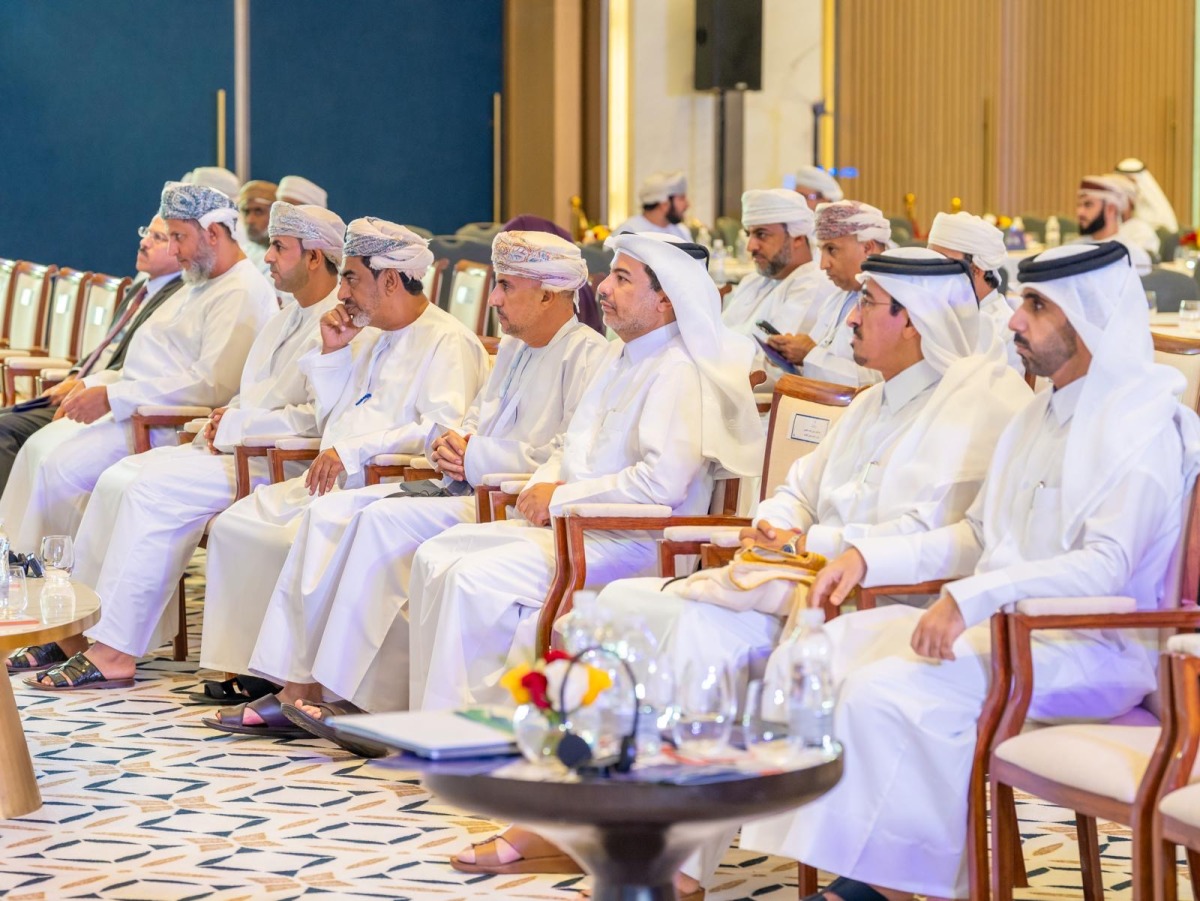

Doha, Qatar – The Supreme Judicial Council of Qatar actively participated in the “Mediation: The Future of Dispute Resolution” conference held in Muscat, Oman, demonstrating a commitment to enhancing dispute resolution mechanisms within the country’s legal framework. The delegation, led by President of the Investment and Trade Court H.E. Judge Khalid bin Ali Al Obaidli, engaged with international experts to explore advancements in mediation and alternative dispute resolution (ADR). This participation underscores Qatar’s ongoing efforts to modernize its judicial system and improve access to justice.
The conference, which concluded recently, brought together legal professionals from across the region to discuss best practices and emerging trends in mediation. The Qatari delegation included Judges Nasser Al Khelaifi, Saad Al Mohannadi, and Munira Al Qahtani, alongside Mubarak Al Sahouti, Administrative Director of the Court of Appeal. The event focused on the increasing role of mediation in reducing court backlogs and providing more efficient and amicable solutions to legal conflicts.
The Growing Importance of Mediation in Qatar
Qatar has been steadily increasing its focus on ADR methods, including mediation, as a means of streamlining the judicial process and offering parties more control over the outcome of their disputes. According to the Ministry of Justice, the implementation of specialized courts, such as the Investment and Trade Court, has further emphasized the need for efficient and modern dispute resolution techniques. This aligns with Qatar’s National Vision 2030, which prioritizes a robust and independent judicial system.
International Best Practices and Regional Collaboration
The conference in Oman provided a valuable platform for exchanging knowledge and experiences in developing effective mediation frameworks. Participants reviewed successful models from various jurisdictions, focusing on the training of mediators, the establishment of clear procedural guidelines, and the enforcement of mediated agreements. Judge Al Obaidli emphasized the importance of learning from these global practices to enhance the quality of dispute resolution in Qatar and the wider region.
Additionally, the event highlighted the benefits of regional collaboration in promoting ADR. The strong judicial ties between Qatar and Oman were evident throughout the conference, with both countries expressing a shared commitment to strengthening access to justice. Such partnerships are crucial for fostering a consistent and reliable legal environment that supports economic growth and investment.
Streamlining Judicial Processes and Enhancing Efficiency
The Supreme Judicial Council’s participation reflects a broader strategy to modernize Qatar’s legal system and reduce the burden on traditional courts. Mediation offers a faster and more cost-effective alternative to litigation, particularly in commercial disputes and family law matters. However, successful implementation requires ongoing investment in mediator training and public awareness campaigns to encourage wider adoption of ADR methods.
Meanwhile, the delegation’s attendance signals the Council’s dedication to staying abreast of the latest legal developments and supporting initiatives aimed at improving judicial efficiency. The inclusion of judges from different courts demonstrates a comprehensive approach to integrating mediation into various areas of the legal system. This proactive stance is expected to contribute to a more responsive and accessible justice system for all residents of Qatar.
The increasing emphasis on alternative dispute resolution, including mediation, is also expected to attract foreign investment by providing a more predictable and efficient legal environment. Qatar’s commitment to international standards in conflict resolution further enhances its reputation as a reliable and trustworthy business partner. The country is also exploring the use of technology to facilitate online mediation and improve access to ADR services.
Looking ahead, the Supreme Judicial Council is expected to analyze the insights gained from the Oman conference and develop specific recommendations for strengthening Qatar’s mediation framework. A key focus will likely be on enhancing the training of mediators and promoting greater awareness of the benefits of ADR among legal professionals and the public. The timeline for implementing these recommendations remains uncertain, but the Council’s commitment suggests a continued push towards a more modern and efficient dispute resolution system in the coming months.