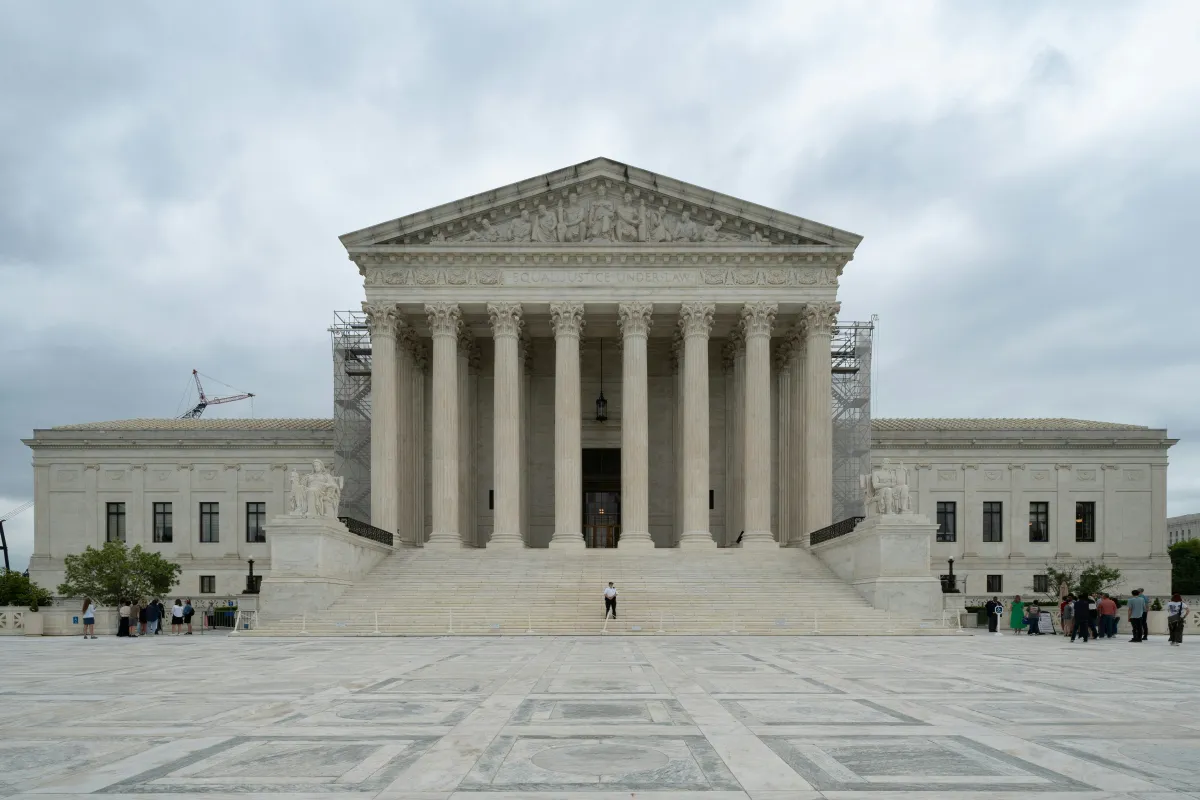

A Tennessee man has pleaded guilty to hacking government systems and subsequently publishing the personal data of his victims on his Instagram account, @ihackthegovernment. Nicholas Moore, 24, of Springfield, Tennessee, admitted to unauthorized access of networks belonging to the U.S. Supreme Court, AmeriCorps, and the Department of Veterans Affairs. The case highlights the growing threat of data breaches and the misuse of stolen credentials, raising concerns about cybersecurity vulnerabilities within federal agencies.
Moore’s guilty plea, filed last week but detailed in a court document released Friday, reveals a pattern of exploiting stolen user credentials to gain access to sensitive information. He then allegedly shared this information publicly, causing potential harm to the individuals affected. Court Watch’s Seamus Hughes first reported on the details contained within the newly unsealed filing.
The Scope of the Hacking Incident
The hacking attacks spanned multiple federal entities. Moore gained access to the Supreme Court’s electronic document filing system, AmeriCorps’ volunteer program network, and the Department of Veterans Affairs’ healthcare and welfare systems. He did not directly breach the systems themselves, but rather exploited compromised accounts of authorized users, according to the court document.
Targets and Data Compromised
The victims, identified in the filing as GS, SM, and HW, suffered varying degrees of data exposure. GS, a Supreme Court employee, had their name and electronic filing records posted online. SM, an AmeriCorps worker, experienced a far more extensive breach, with Moore publishing their name, date of birth, email address, home address, phone number, citizenship status, veteran status, service history, and the last four digits of their social security number.
Perhaps most concerning, Moore also accessed and shared the health information of HW, a Department of Veterans Affairs patient. He reportedly sent a screenshot from the victim’s MyHealtheVet account to an associate, revealing their identity and prescribed medications. This constitutes a serious violation of patient privacy and HIPAA regulations.
Additionally, the incident underscores the risks associated with credential stuffing and the importance of robust multi-factor authentication. Moore’s ability to access these systems hinged on obtaining valid usernames and passwords, suggesting a potential weakness in password security practices among government employees.
Motives and Instagram Account
The court documents do not detail Moore’s specific motives for the hacking and subsequent data publication. However, the use of the Instagram account, @ihackthegovernment, suggests a desire for notoriety or to demonstrate his technical capabilities. The account has since been removed or made private.
Law enforcement officials have not released information regarding how Moore obtained the stolen credentials. Investigations are likely ongoing to determine if the credentials were obtained through phishing attacks, malware, or other illicit means. The incident also raises questions about the security protocols in place at each of the targeted agencies.
Potential Penalties and Legal Ramifications
Moore faces a maximum sentence of one year in prison and a maximum fine of $100,000. Sentencing will be determined by a judge, taking into account various factors, including the severity of the offenses and Moore’s criminal history. The Department of Justice has not yet announced a sentencing date.
Beyond the criminal penalties, Moore could also face civil lawsuits from the victims whose data was compromised. Data breaches can lead to identity theft, financial loss, and emotional distress, giving victims grounds for legal action. The incident also highlights the potential for reputational damage to the government agencies involved.
This case also falls under the umbrella of increasing cybersecurity threats facing government institutions. Recent years have seen a surge in ransomware attacks and data breaches targeting federal, state, and local governments, prompting calls for increased investment in cybersecurity infrastructure and personnel. The incident also underscores the need for improved employee training on recognizing and avoiding phishing scams and other social engineering tactics.
The Department of Veterans Affairs, in particular, has been a frequent target of cyberattacks due to the sensitive nature of the personal and medical information it holds. Strengthening the security of MyHealtheVet and other patient portals is a critical priority.
The broader implications of this case extend to the ongoing debate about data privacy and the responsibility of organizations to protect sensitive information. The incident serves as a stark reminder that even seemingly secure systems can be vulnerable to attack, and that proactive measures are essential to mitigate the risk of data breaches. The incident also highlights the importance of data security measures.
Moore is scheduled to be sentenced at a later date. The Department of Justice is expected to provide further details about the investigation and any potential remediation efforts. It remains to be seen whether additional charges will be filed or whether other individuals were involved in the hacking activities. The agencies involved are likely to conduct internal reviews to identify and address any security vulnerabilities that were exploited in this case.