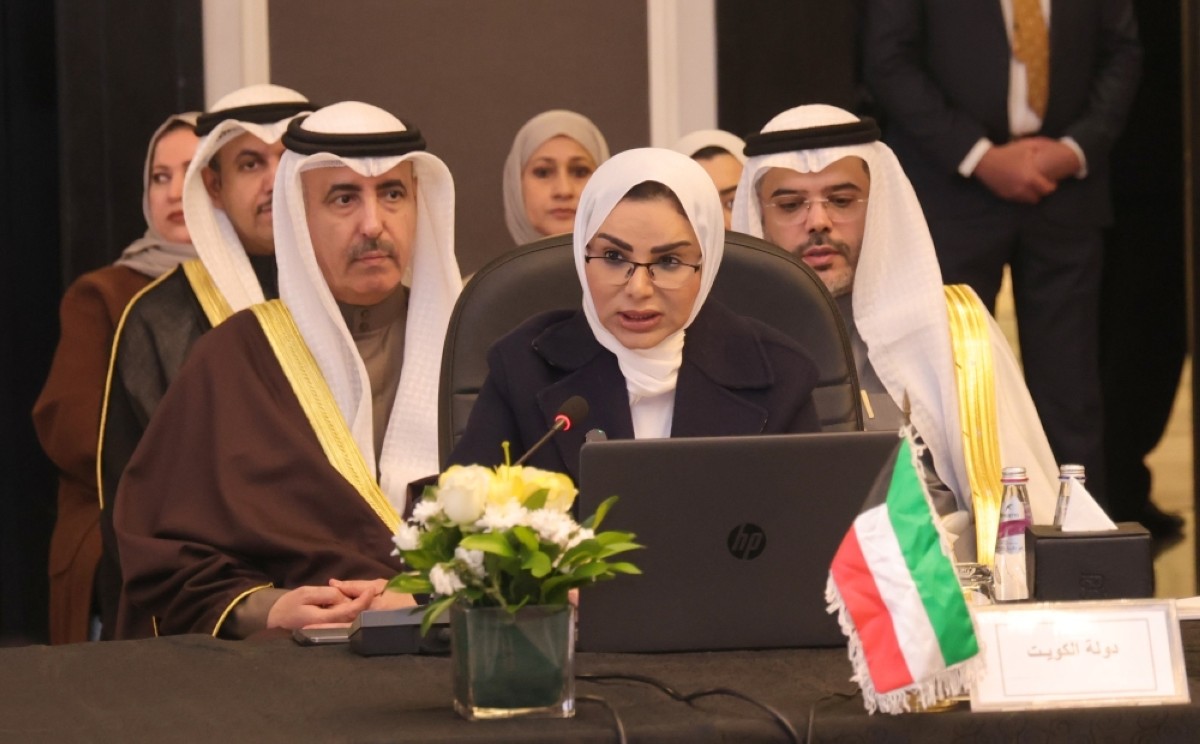

The well-being of vulnerable populations, particularly in times of regional crises, demands continuous and collaborative effort. At the 45th session of the Council of Arab Ministers of Social Affairs in Amman, Jordan, Dr. Amthal Al-Huwailah, Kuwait’s Minister of Social Affairs, Family and Childhood Affairs, powerfully underscored this point, affirming that supporting the Palestinian people isn’t simply a matter of charity, but a fundamental Arab duty. Her remarks highlighted Kuwait’s dedication to bolstering social safety nets and advocating for a unified Arab response to escalating humanitarian challenges.
Kuwait Reaffirms Commitment to Palestinian Support and Regional Social Responsibility
Dr. Al-Huwailah’s address centered around the urgency of strengthening joint Arab action to effectively address the growing social and humanitarian needs across the region. She specifically emphasized the critical importance of mitigating the impact of ongoing crises and fostering resilience within communities facing exceptional hardship. This is particularly relevant given the protracted conflicts and instability affecting several Arab nations, including Palestine and Yemen.
The Minister stated that Kuwait’s political leadership prioritizes building a robust social protection system, ensuring the vulnerable receive adequate support, and upholding the principles of social justice and cohesion. This dedication extends beyond rhetoric to tangible actions, as evidenced by Kuwait’s consistent provision of humanitarian and relief aid through organizations like the Kuwait Red Crescent Society and other charitable entities.
Modernizing Social Welfare: Kuwait’s Legislative and Digital Advancements
Kuwait is proactively modernizing its social welfare programs, moving towards a more efficient and inclusive model. A core aspect of this modernization is updating legislation concerning persons with disabilities, shifting the focus from basic care to empowerment. This progressive approach emphasizes inclusive education and comprehensive rehabilitation programs.
Enhancing Disability Services & Oversight
The Public Authority for Disability Affairs plays a pivotal role in this transformation. It’s responsible for overseeing the quality of services provided and guaranteeing their relevance to the varied needs of disabled individuals. This includes regular assessments and adjustments to ensure that support mechanisms are truly effective. This reinforces Kuwait’s commitment to building a more equitable society where everyone has the opportunity to thrive.
Beyond disability rights, Kuwait is also actively working to improve the lives of the elderly. This is being achieved through integrating their services onto government digital platforms, creating educational awareness programs, and offering mobile assistance. These initiatives are supplemented by dedicated health and social support systems and collaborative efforts with civil society organizations to maximize impact.
Economic Empowerment and Social Assistance Programs
Kuwait’s approach to social welfare isn’t solely focused on providing direct financial aid. Recognizing the importance of self-sufficiency, the country has launched several economic empowerment initiatives designed to help beneficiaries become productive members of society.
Individuals and families benefiting from public assistance can access crucial support, including cash assistance, rental allowances, and emergency funds. However, this is coupled with programs like “From My Own Earnings,” which provides training and resources for income generation, and “Boutique 33,” which acts as an incubator for small businesses. These innovative projects aim to transition individuals from reliance on social assistance to sustainable livelihoods. Prioritizing human development is central to Kuwait’s long-term vision.
Social Security and the Future of Arab Social Development
Kuwait’s robust social security system, managed by the Public Institution for Social Security, further exemplifies its commitment to its citizens’ and residents’ well-being. This institution ensures a dignified life post-retirement, offers protection in cases of disability or bereavement, and safeguards the rights of workers and retirees. Consequently, it promotes both social justice and economic stability, particularly benefiting the elderly population.
Dr. Al-Huwailah emphasized that deepened Arab coordination in social development is essential for building a brighter future for the entire region. She presented Kuwait’s continued willingness to actively collaborate on addressing shared challenges and driving improvements in social welfare. A unified approach, she argued, is vital for enhancing the collective standing of Arab states internationally and creating a future that reflects the aspirations of its people. This collaborative spirit extends to issues of social protection, ensuring a safety net for all.
In conclusion, Dr. Amthal Al-Huwailah’s address at the Council of Arab Ministers of Social Affairs served as a powerful reaffirmation of Kuwait’s commitment to both its domestic social programs and wider regional stability. Her emphasis on the Arab duty to support Palestine, coupled with the nation’s advancements in disability rights, elderly care, and economic empowerment, paints a picture of a country striving to build a more just and resilient society. By prioritizing joint Arab action and focusing on practical solutions rooted in human development and social protection, Kuwait is demonstrating leadership in navigating the complex humanitarian landscape of the Middle East and building a more prosperous future for all Arab citizens. It is crucial that these discussions translate into concrete actions and sustained collaboration to address the ongoing needs of the region’s most vulnerable.