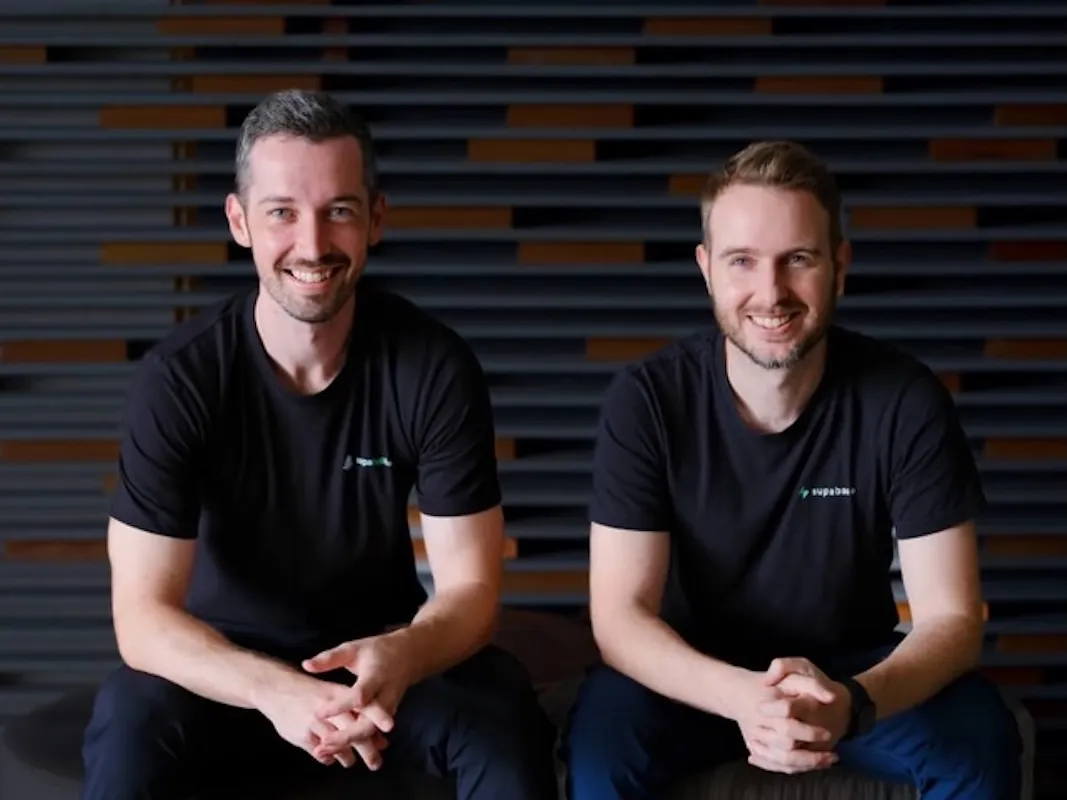

The burgeoning field of “vibe coding,” characterized by developer-friendly tools and a focus on user experience, is fueling rapid growth for the companies building the underlying infrastructure. Supabase, an open-source database platform, exemplifies this trend, recently securing $100 million in funding at a $5 billion valuation. This follows a $200 million round just months prior, demonstrating significant investor confidence in the company’s approach to database technology and its position within the evolving developer ecosystem.
Founded in 2021, Supabase has quickly become a popular backend choice for developers embracing this new style of coding. The company’s success highlights a shift in the market, as startups challenge established players in the database space. However, Supabase’s CEO, Paul Copplestone, is taking an unconventional path, strategically declining lucrative enterprise contracts to maintain focus on its core product vision.
Supabase and the Rise of Vibe Coding
“Vibe coding” is a relatively new term, but it encapsulates a growing desire among developers for tools that are intuitive, enjoyable to use, and foster a sense of community. Platforms like Lovables and Replit have gained traction by prioritizing this developer experience. Supabase caters to this demand by offering a streamlined, open-source alternative to traditional database solutions.
Traditionally, setting up and managing a database required significant expertise and often involved complex, expensive software from established vendors. Supabase aims to simplify this process, providing developers with a fully-featured backend-as-a-service built on PostgreSQL, a powerful open-source relational database. This ease of use is a key factor in its growing popularity, particularly among smaller teams and individual developers.
Strategic Rejection of Enterprise Deals
Despite its rapid growth and high valuation, Supabase is deliberately limiting its scope. Copplestone has openly discussed turning down million-dollar contracts from large enterprises. This decision stems from a belief that accommodating the specific, and often demanding, requirements of these clients would divert resources from its core mission: building a best-in-class database platform for the broader developer community.
According to Copplestone, these enterprise deals often necessitate extensive customization and support, potentially compromising the platform’s simplicity and scalability. He argues that focusing on a standardized product experience will ultimately attract a larger user base and drive long-term growth. While acknowledging the immediate financial benefit of these contracts, he views them as a distraction from the company’s long-term goals.
Investing in Scalability and Innovation
Instead of chasing large enterprise contracts, Supabase is reinvesting its funding into technical advancements. The company is actively funding “moonshot” projects aimed at improving the scalability and performance of PostgreSQL. These initiatives include exploring new indexing techniques and optimizing the database engine for cloud-native environments.
Additionally, Supabase is focused on expanding its feature set, adding capabilities such as real-time subscriptions, authentication, and serverless functions. These features are designed to provide developers with a comprehensive toolkit for building modern web and mobile applications. The company’s commitment to open-source principles ensures that these innovations are shared with the wider developer community, fostering collaboration and accelerating innovation in the database ecosystem.
Implications for the Database Market
Supabase’s success poses a challenge to established database vendors like Oracle and IBM. For decades, these companies have dominated the market with complex, proprietary solutions. However, the rise of open-source alternatives and the increasing demand for developer-friendly tools are disrupting this status quo.
Copplestone has publicly stated his belief that the decline of Oracle will occur faster than many anticipate. This sentiment reflects a broader trend towards open-source software and cloud-native technologies. The accessibility and flexibility of platforms like Supabase are attracting developers who are seeking alternatives to traditional, vendor-locked solutions.
Meanwhile, other companies are also vying for a piece of the growing backend-as-a-service market. Firebase, AWS Amplify, and MongoDB Atlas are all offering similar services, creating a competitive landscape. However, Supabase differentiates itself through its open-source foundation and its strong focus on PostgreSQL, a widely-respected and battle-tested database.
The company’s approach also highlights a growing trend in venture capital: a willingness to invest in companies that prioritize long-term vision over short-term profits. Supabase’s decision to forgo lucrative enterprise deals demonstrates a commitment to its core values and a belief in the power of community-driven development.
Looking ahead, Supabase will likely continue to focus on expanding its feature set and improving the scalability of its platform. The company’s next steps will involve further investment in PostgreSQL optimization and the development of new tools for developers. The continued adoption of “vibe coding” practices and the increasing demand for developer-friendly infrastructure will be key factors in determining Supabase’s future success. The company’s ability to balance its growth with its commitment to open-source principles and its core product vision will be crucial in navigating the evolving database landscape.