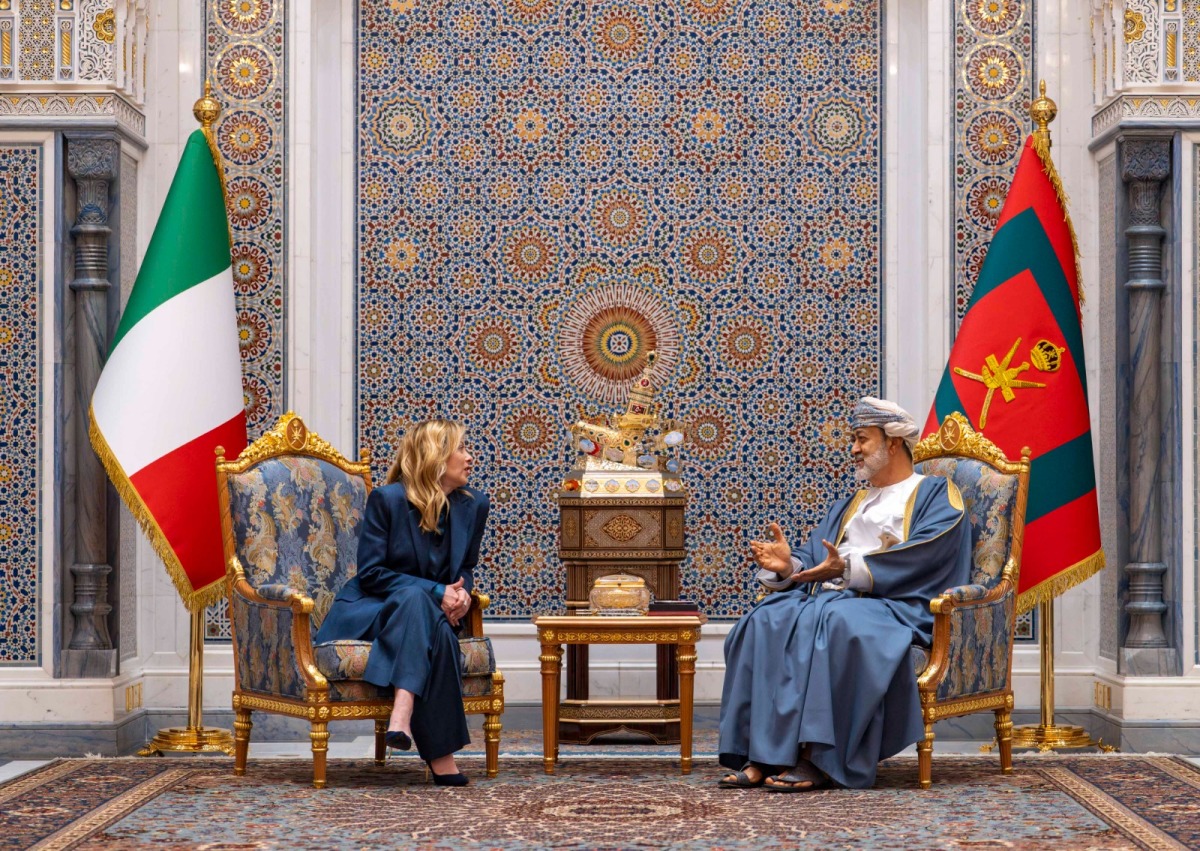

Muscat, Oman – The Sultanate of Oman and Italy convened for high-level bilateral talks in Muscat on Wednesday, focusing on strengthening economic ties and addressing regional and global challenges. Sultan Haitham bin Tariq met with Italian Prime Minister Giorgia Meloni to discuss expanding Oman-Italy relations across multiple sectors, including energy, technology, and tourism. The discussions underscore a growing trend of Gulf nations diversifying partnerships beyond traditional allies.
The meeting, held at the Al Alam Palace, centered on identifying new avenues for collaboration and boosting investment in key industries. Both leaders emphasized the importance of continued dialogue and cooperation in navigating a complex international landscape. This visit follows increased diplomatic activity between Italy and countries in the Middle East, signaling a renewed focus on economic and political engagement.
Boosting Economic Cooperation: The Future of Oman-Italy Relations
A primary focus of the talks was the potential for increased Italian investment in Oman. Specific sectors highlighted for development included industry, renewable energy, modern technologies, food security, and tourism, according to a statement released by the Omani Ministry of Foreign Affairs. Italy has a strong industrial base and expertise in areas like infrastructure and renewable energy, which align with Oman’s diversification goals outlined in its Vision 2040 plan.
Key Investment Areas
The energy sector is expected to be a significant area of collaboration, with potential projects involving both traditional oil and gas and the development of green energy sources. Oman is actively seeking to expand its renewable energy capacity, and Italian companies possess relevant technology and experience. Food security was also identified as a priority, reflecting Oman’s efforts to reduce its reliance on imports and enhance domestic agricultural production.
Additionally, discussions touched upon opportunities in the tourism sector. Oman is working to attract more international tourists, and Italy’s experience in managing a thriving tourism industry could prove valuable. The potential for cultural and educational exchanges was also explored, aiming to foster greater understanding and people-to-people connections.
Beyond economic matters, the leaders exchanged views on pressing regional and international issues. These likely included the ongoing conflicts in the Middle East, global energy markets, and efforts to combat terrorism and extremism. Italy, as a member of the European Union, brings a unique perspective to these discussions, while Oman maintains a traditionally neutral stance and often serves as a mediator in regional disputes.
This meeting comes amid a broader effort by Oman to strengthen its international partnerships. The country has been actively pursuing free trade agreements and investment deals with various nations, aiming to diversify its economy and reduce its dependence on oil revenues. Italy, for its part, is seeking to enhance its economic and political influence in the Gulf region, viewing Oman as a stable and reliable partner. The trade relationship between the two countries has been steadily growing in recent years, but officials believe there is significant untapped potential.
The Italian Prime Minister’s visit also reflects Italy’s desire to secure energy supplies. As Europe seeks alternatives to Russian energy, countries like Oman, with their substantial hydrocarbon reserves, are becoming increasingly important. The discussions likely included potential long-term supply agreements and collaboration on energy infrastructure projects. This aligns with Italy’s broader strategy of diversifying its energy sources and strengthening its energy security.
While no specific agreements were announced immediately following the talks, both sides expressed their commitment to following up on the discussions and exploring concrete projects. Further negotiations are expected to take place in the coming months, potentially leading to the signing of memorandums of understanding (MOUs) in key areas of cooperation. The success of these efforts will depend on a number of factors, including political stability in the region and global economic conditions. The development of bilateral trade will be a key indicator of the relationship’s progress.
Looking ahead, the Omani and Italian governments are expected to establish joint working groups to delve deeper into specific areas of potential collaboration. A timeline for these groups to report back with recommendations has not been publicly disclosed. Monitoring the progress of these working groups and any subsequent announcements regarding investment projects or agreements will be crucial in assessing the long-term impact of this high-level meeting on Oman’s foreign policy and economic outlook.