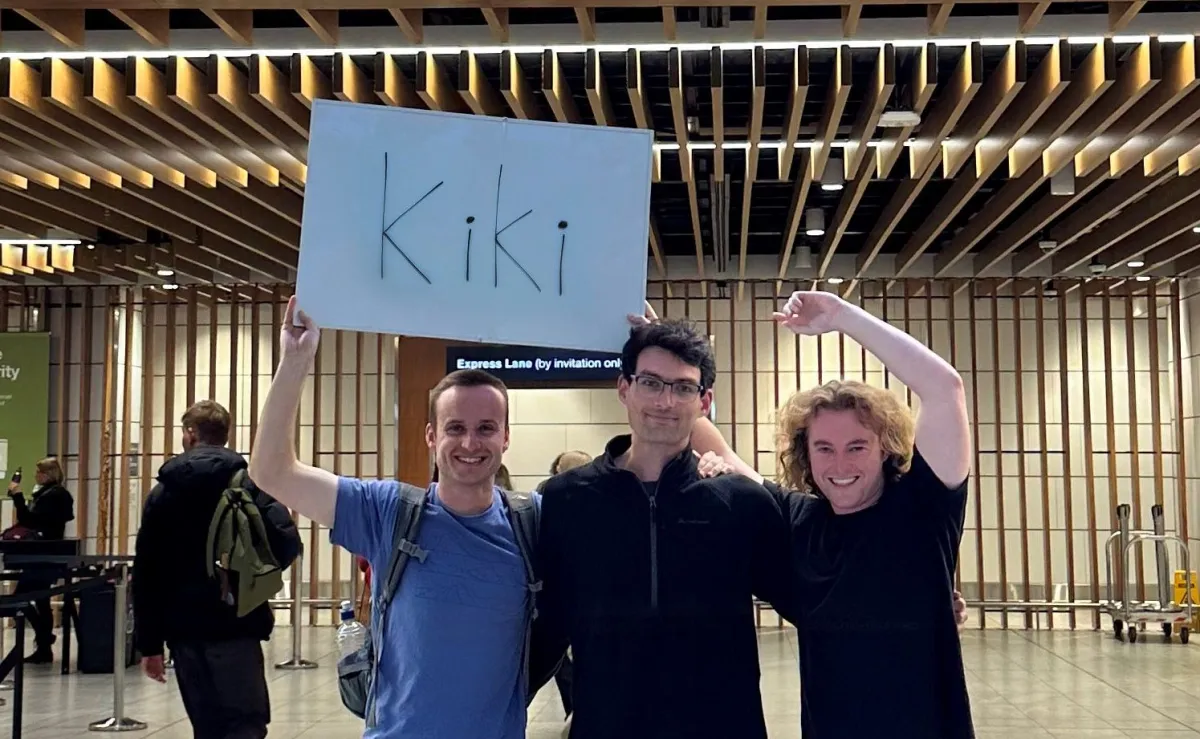

Auckland-founded subletting startup Kiki Club has agreed to pay over $152,000 to settle charges with the New York City Mayor’s Office of Special Enforcement (OSE). The company, which aimed to connect renters looking to sublet their apartments with short-term tenants, ran afoul of strict short-term rental regulations in the city. This outcome highlights the increasing scrutiny faced by platforms operating in the evolving landscape of urban housing markets.
The settlement, announced Wednesday, brings an end to an investigation into Kiki’s operations in New York City, which launched in 2023. Kiki’s business model, promising sublets of up to six months, directly clashed with Local Law 18, a regulation designed to curb illegal hotel operations and protect affordable housing.
Understanding the New York City Short-Term Rental Regulations
Local Law 18, enacted in 2022, significantly altered the rules governing short-term rentals in New York City. The law requires hosts to register with the OSE and adhere to specific criteria, most notably being present during the entire rental period. This aims to prevent the conversion of long-term housing into de facto hotel rooms.
The implementation of the law had a dramatic effect on the market. According to Inside Airbnb, the number of short-term rental listings on Airbnb plummeted by 85% following its enactment. This demonstrates the substantial impact of the regulations on the availability of short-term accommodations.
Furthermore, the law places responsibility on booking services to verify host registration or exemption status through the OSE’s system. Failure to do so results in penalties of $1,500 per unverified transaction, or three times the revenue earned, whichever is less. This provision is central to the charges leveled against Kiki Club.
Kiki Club’s Violations
The OSE alleges that Kiki Club failed to comply with these verification requirements. Specifically, the company did not submit mandatory quarterly reports detailing short-term rental transactions and failed to verify approximately 400 rental agreements. This lack of oversight contributed to the facilitation of unregistered and potentially illegal rentals.
“This settlement sends a clear message: If you are a company that facilitates short-term rentals, ignoring city laws will be an expensive proposition,” stated Christian Klossner, executive director of the OSE. Klossner further emphasized that Kiki Club undermined the city’s efforts to safeguard tenant rights and maintain the availability of permanent housing.
While Kiki Club did not formally admit or deny the allegations, the company opted to pay the $152,000 penalty to resolve the matter. A spokesperson for Kiki previously acknowledged to SmartCompany that the company was operating in a “gray regulatory area,” suggesting an awareness of the legal challenges.
Expansion to London and Regulatory Challenges
Despite the costly setback in New York City, Kiki Club has continued to pursue its business model. In June, the company announced its launch in London, indicating a willingness to expand internationally. However, this move also places Kiki Club in a jurisdiction with its own set of regulations concerning property rentals.
The United Kingdom has strict rules regarding “right to rent” checks, requiring landlords to verify a tenant’s immigration status. Renting to someone without the legal right to reside in the UK can result in significant penalties, including up to five years in prison or substantial fines. This adds another layer of complexity to Kiki’s operations.
The situation in London is further complicated by varying local council regulations regarding property subletting. While national laws provide a framework, individual boroughs may have additional restrictions or licensing requirements.
The rise of platforms like Kiki Club, and the subsequent regulatory responses, reflect a broader trend of cities grappling with the impact of the sharing economy on housing availability and affordability. New York City’s aggressive enforcement of Local Law 18 serves as a cautionary tale for other companies operating in similar spaces.
It remains to be seen how Kiki Club will navigate the regulatory landscape in London. The company’s ability to demonstrate compliance with both national and local laws will be crucial to its success. Observers will be watching closely to see if Kiki adapts its platform and processes to meet the requirements of the U.K. market, or if it faces similar challenges to those encountered in New York City. The next few months will likely determine whether Kiki can establish a sustainable presence in London or if its ambitious vision will be further constrained by legal hurdles.