


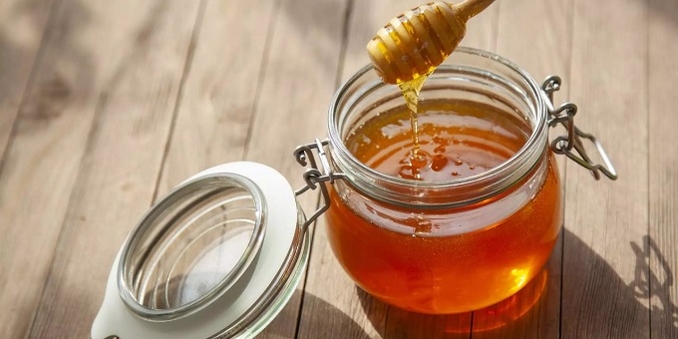

Oman’s beekeeping tradition is steeped in history, and the country’s diverse flora yields a fascinating array of Omani honey varieties. Recent scientific research from Sultan Qaboos University has revealed that several of these lesser-known honeys possess remarkably high antioxidant levels, potentially surpassing even the highly prized Sidr and Sumur types. This discovery not only highlights the unique health benefits of these rare honeys but also opens doors for enhanced branding and market opportunities for Omani producers.
The Scientific Investigation into Omani Honey
The groundbreaking study, spearheaded by Dr. Haider A. J. Al Lawati from the Department of Chemistry at the College of Science, Sultan Qaboos University, meticulously analyzed eight distinct, rare Omani honey types. Researchers compared these to commonly available local honeys like Sidr and Sumur, alongside a selection of commercially produced honey samples. The aim was to comprehensively evaluate their physicochemical properties and, crucially, their antioxidant capacity.
Key Quality Parameters Analyzed
The research team didn’t just focus on antioxidants. They examined a range of factors crucial to honey quality, including pH levels, free acidity, electrical conductivity, and the precise composition of sugars present. These parameters are vital for determining honey’s purity, origin, and overall quality. Understanding these characteristics is essential for both consumers and producers seeking authentic and high-grade honey.
A Novel Analytical Approach
Traditionally, assessing antioxidant levels in honey requires complex and time-consuming chromatography-based techniques. However, Dr. Al Lawati’s team innovated by developing a paper-based analytical device. This new method offers a significantly faster and more efficient way to measure antioxidant content, making large-scale analysis more practical and cost-effective. This advancement in honey analysis could have broader implications for quality control in the industry.
Exceptional Antioxidant Levels in Rare Varieties
The results of the study were striking. While all honey samples generally fell within acceptable sugar ranges (45–75 percent), one particular rare variety, known as “Aitman” honey, stood out with a lower sugar content of 30.4 ± 1.0 percent. Fructose consistently emerged as the dominant sugar across all samples, followed closely by glucose. Acidity levels in the rare honeys were comparable to Sidr and commercial varieties, but lower than those found in Sumur honey.
However, the most significant finding revolved around antioxidant capacity. The rare, native Omani honey varieties exhibited levels ranging from 116.9 to a remarkable 325.4 milliequivalents of gallic acid per kilogram. This is substantially higher than the 101.5 to 196.6 meq gallic acid/kg observed in the Sidr, Sumur, and commercial honey samples. This indicates a potentially superior ability to neutralize free radicals and protect against oxidative stress.
Implications for the Omani Honey Industry
The researchers emphasize that these findings underscore the exceptional nutritional and functional properties inherent in Oman’s rare honey varieties. This scientific validation is crucial for building consumer trust and justifying premium pricing. The data generated by the study can be used to refine quality control processes, ensuring consistency and authenticity in the production of these valuable honeys.
Furthermore, the study provides a strong foundation for developing robust branding strategies. By highlighting the unique antioxidant profiles and distinct characteristics of each rare variety, Omani honey producers can differentiate their products in a competitive market. This is particularly important for expanding into international markets where consumers are increasingly seeking natural and health-promoting foods.
This research represents the first documented scientific investigation into the physicochemical characteristics and antioxidant content of these specific rare honey types in Oman. It’s a pivotal step towards recognizing and promoting the country’s unique natural resources and establishing Oman as a producer of high-quality, scientifically-backed natural sweeteners.
Looking Ahead: Preserving and Promoting Omani Honey Heritage
The discovery of high antioxidant levels in these rare Omani honey varieties is more than just a scientific breakthrough; it’s a call to action. Protecting the unique floral sources and traditional beekeeping practices that contribute to these exceptional honeys is paramount. Further research is needed to fully understand the specific compounds responsible for the enhanced antioxidant activity and to explore potential applications in food, medicine, and cosmetics.
The Sultanate of Oman has a rich beekeeping heritage, and this study provides compelling evidence of the hidden treasures within its diverse landscapes. By embracing scientific innovation and prioritizing quality, Oman can solidify its position as a leading producer of premium, health-enhancing honey for both local and global consumers. We encourage further exploration of Oman’s beekeeping traditions and support for the sustainable production of these remarkable natural products.