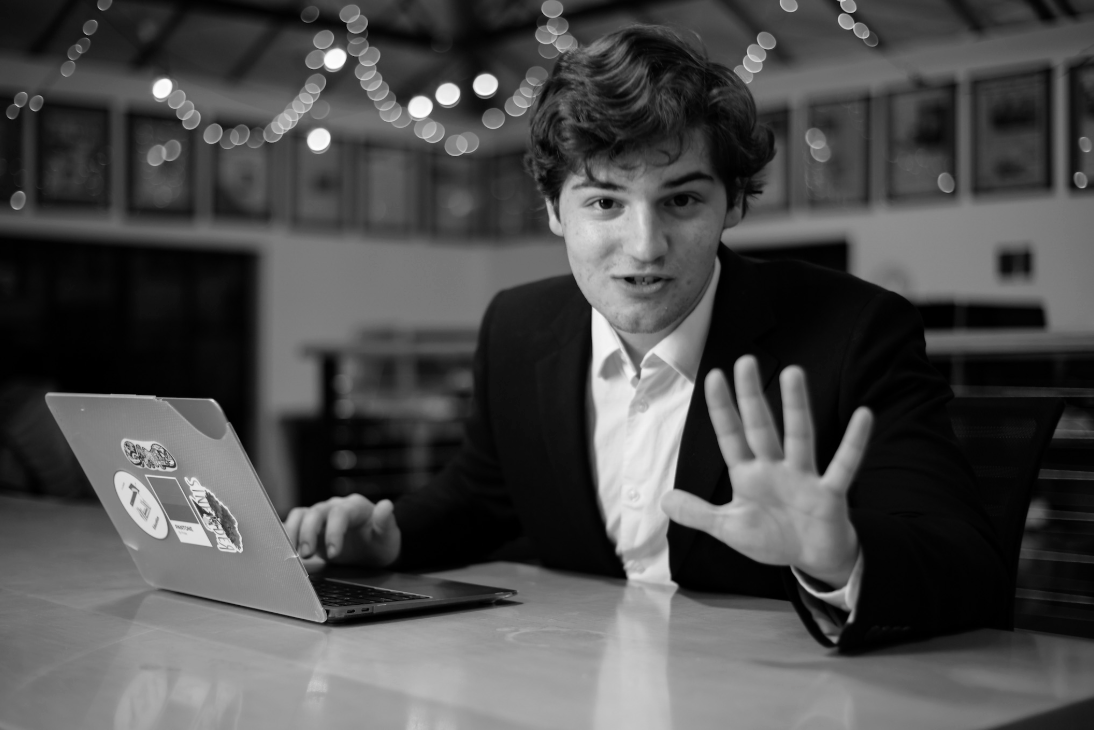

Stanford University student Theo Baker is challenging the conventional path of aspiring tech entrepreneurs with his upcoming book, an investigation into the influence of venture capital on campus. His work, rooted in investigative journalism, has already garnered significant attention, and his latest project promises a critical look at the relationship between Silicon Valley and academia. Baker’s trajectory stands in stark contrast to the declining enrollment in journalism programs nationwide, raising questions about the future of accountability reporting.
The Rise of a Young Investigative Journalist
Baker first gained prominence as a freshman at Stanford when his reporting for The Stanford Daily led to the resignation of then-President Marc Tessier-Lavigne. The investigation centered on allegations of research misconduct spanning two decades, a complex undertaking for any journalist, let alone a college student. He reportedly engaged in extensive source work and faced legal challenges while pursuing the story, according to his publisher.
The fallout from his reporting was swift. Tessier-Lavigne resigned, and Baker was recognized with the George Polk Award, a prestigious honor in journalism, at an exceptionally young age. Warner Bros. and producer Amy Pascal subsequently acquired the film rights to his account of the scandal.
“How to Rule the World” and Silicon Valley’s Influence
Now, Baker is preparing to release “How to Rule the World” on May 19th, just weeks before his graduation. The book delves into what he describes as the practice of venture capitalists actively recruiting Stanford students, often before they have even formulated business plans.
Baker’s research, based on over 250 interviews with students, CEOs, venture capitalists, and university leadership, suggests a system where students are treated as commodities in the pursuit of the next lucrative startup. He alleges that these interactions involve providing students with financial incentives, including slush funds and funding through shell companies, as well as offering access to exclusive events like yacht parties. He characterizes this as a “weird, money-soaked subculture” with global implications, as reported by Axios.
A Family Legacy in News
Baker’s dedication to reporting is perhaps unsurprising given his family background. His father, Peter Baker, is the chief White House correspondent for The New York Times, and his mother, Susan Glasser, is a staff writer for The New Yorker. While many of his peers focus on securing venture capital funding and high-paying tech jobs, Baker chose to dedicate his sophomore year to reporting and took a leave of absence during his junior year to write, including a residency at the Yaddo writers’ retreat.
The State of Journalism Education
This path diverges sharply from the current trends in journalism education. Enrollment in journalism programs has been declining for years, and some universities have even discontinued their journalism majors altogether. Simultaneously, the media industry continues to experience layoffs and financial instability. This context makes Baker’s commitment to accountability journalism particularly noteworthy.
The decline in journalism enrollment is linked to concerns about job security and the evolving media landscape, including the rise of digital platforms and the challenges of monetizing news content. However, the demand for quality, in-depth reporting remains, as evidenced by the public interest in Baker’s work and the continued importance of investigative pieces in major news outlets. The field of media ethics is also increasingly relevant as the lines between journalism and other forms of communication blur.
Looking Ahead
The release of “How to Rule the World” is expected to generate significant discussion within Silicon Valley and the academic community. The book’s claims, if substantiated, could lead to increased scrutiny of venture capital practices and their impact on university students. It remains to be seen whether Baker’s success will inspire a renewed interest in investigative journalism among his generation, but his work undoubtedly highlights the value of independent, critical reporting. The coming weeks will be crucial as the book is released and its reception gauged, potentially influencing future conversations about the intersection of technology, finance, and education.