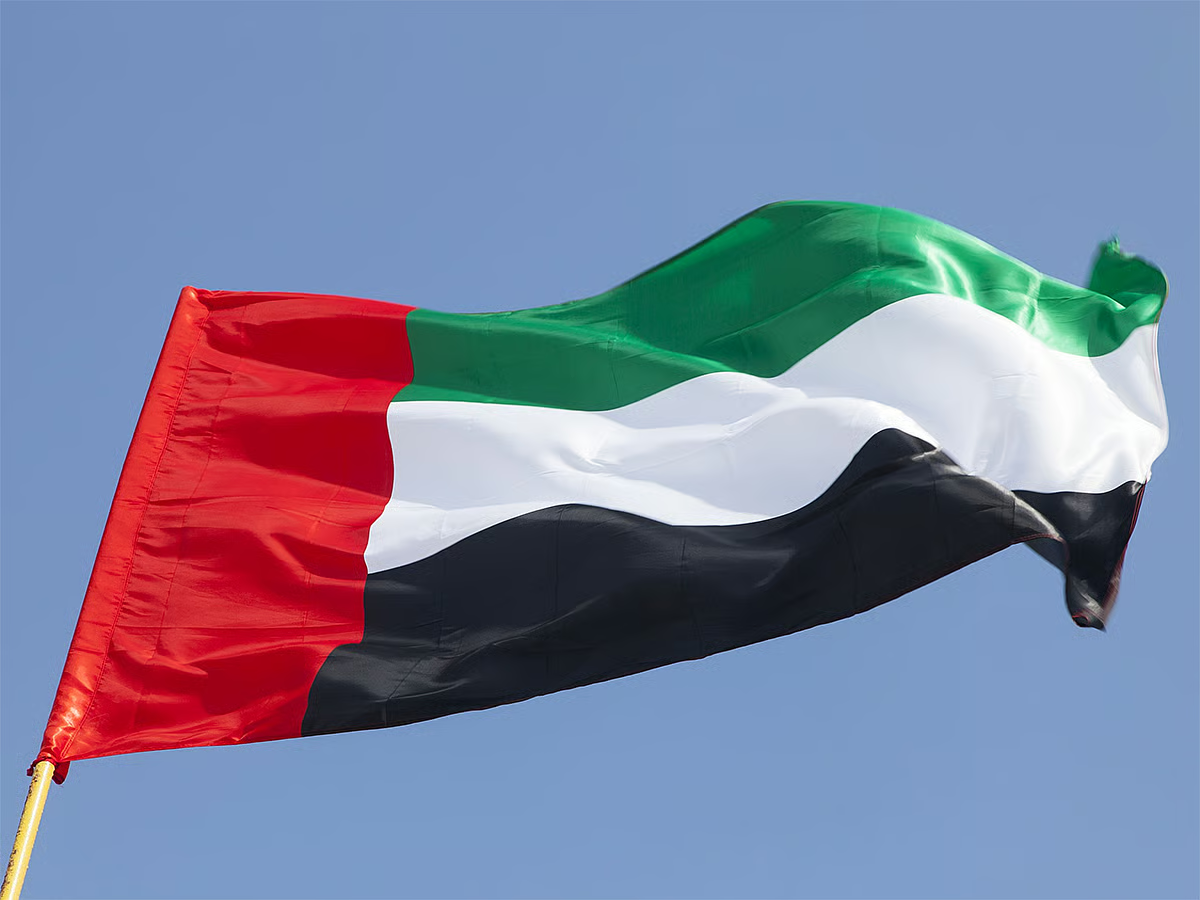

Sri Lanka’s tourism sector achieved a record high in February 2024, welcoming over 200,000 visitors, fueled by a concerted effort to attract tourists from the United Arab Emirates (UAE) and other key markets. This surge represents a significant recovery for the industry, which has faced substantial challenges in recent years. The increase in Sri Lanka tourism is attributed to improved economic conditions and targeted promotional campaigns.
The milestone was announced by the Sri Lanka Tourism Promotion Bureau (SLTPB) earlier this week, highlighting the UAE as a particularly strong contributor to the growth. Officials report a substantial increase in arrivals from the Gulf region, with the UAE leading the way. This positive trend signals a potential turning point for the island nation’s economy, heavily reliant on revenue from international visitors.
Boosting Sri Lanka Tourism Through Strategic Partnerships
The success is largely the result of a proactive strategy implemented by the SLTPB and the Ministry of Tourism. This strategy focuses on diversifying source markets and enhancing the country’s appeal to high-value tourists. A key component has been strengthening ties with travel agencies and airlines in the UAE, offering attractive packages and streamlined travel options.
UAE Focus and Promotional Activities
The SLTPB has undertaken several initiatives specifically targeting the UAE market. These include participation in major travel fairs in the region, digital marketing campaigns on social media platforms popular with UAE residents, and familiarization tours for travel agents. According to the ministry, these efforts have significantly raised awareness of Sri Lanka as a desirable travel destination.
Additionally, the easing of travel restrictions and visa processes has played a crucial role. Sri Lanka introduced an Electronic Travel Authorization (ETA) system, simplifying the visa application process for many nationalities, including UAE citizens. This has reduced bureaucratic hurdles and encouraged more spontaneous travel decisions.
However, the recovery isn’t solely dependent on the UAE. The SLTPB is also actively promoting Sri Lanka in India, Germany, the UK, and other traditional markets. These efforts aim to re-establish Sri Lanka’s position as a preferred destination for a wider range of travelers.
Economic Impact and Recovery
The increase in tourist arrivals has a direct and positive impact on Sri Lanka’s economy. The tourism sector contributes significantly to foreign exchange earnings, employment, and the growth of related industries such as hospitality, transportation, and handicrafts. The report indicates that February’s arrivals generated an estimated $250 million in revenue.
The recent economic crisis in Sri Lanka severely impacted the tourism industry, with arrivals plummeting in 2020 and 2021 due to the COVID-19 pandemic and subsequent political instability. The industry is now showing signs of resilience, but challenges remain.
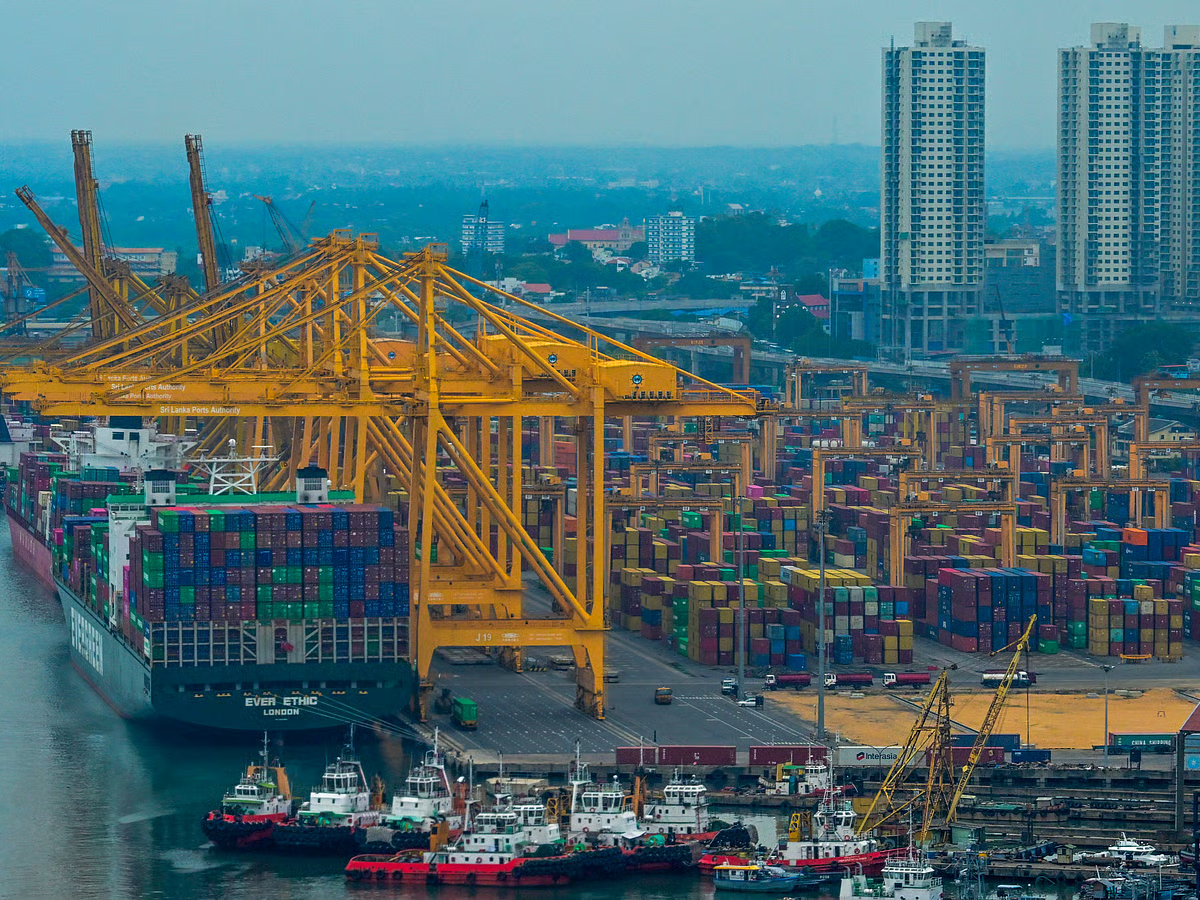
Meanwhile, the government is investing in infrastructure development to support the growing tourism sector. This includes upgrading airports, improving road networks, and enhancing tourist facilities. These investments are intended to create a more seamless and enjoyable experience for visitors.
Challenges and Future Outlook for Travel to Sri Lanka
Despite the positive momentum, several challenges could hinder further growth in Sri Lanka tourism. Global economic uncertainties, geopolitical tensions, and potential fluctuations in fuel prices could impact travel demand. Maintaining consistent marketing efforts and ensuring the quality of tourist services are also crucial.
In contrast to the recent surge, some concerns remain regarding the sustainability of the recovery. The industry needs to address issues such as environmental sustainability and responsible tourism practices to ensure long-term viability. The SLTPB is working with local communities and businesses to promote eco-tourism and minimize the environmental impact of tourism.
The availability of skilled labor in the hospitality sector is another potential constraint. The industry needs to invest in training and development programs to ensure that it has a workforce capable of meeting the demands of a growing tourism market.
Furthermore, the ongoing political situation in Sri Lanka requires continued monitoring. Political stability is essential for attracting foreign investment and maintaining confidence among tourists. The government is committed to creating a stable and conducive environment for tourism development.
The SLTPB aims to attract 2.5 million tourists by the end of 2024, generating $3 billion in revenue. This ambitious target will require sustained efforts to promote Sri Lanka as a safe, attractive, and affordable destination. Tourist arrivals are expected to continue increasing in the coming months, particularly during the peak season from November to March.
Looking ahead, the Ministry of Tourism is expected to announce a new long-term tourism development plan by June 2024. This plan will outline strategies for diversifying the tourism product, promoting sustainable tourism practices, and enhancing the overall visitor experience. The success of this plan will be crucial for ensuring the continued growth and resilience of the travel industry in Sri Lanka. Monitoring the impact of global economic conditions and geopolitical events on travel patterns will also be essential.