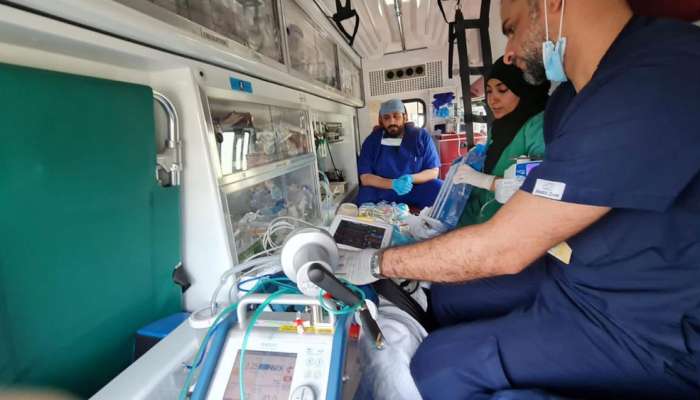

Oman’s healthcare system has taken a significant leap forward with the launch of a specialized training program at Sultan Qaboos University Hospital (SQUH) within the Medical City. This innovative program focuses on the safe and effective transfer of critically ill patients utilizing extracorporeal membrane oxygenation (ECMO) technology. This development not only enhances the nation’s intensive care capabilities but also positions Oman as a regional leader in advanced medical care.
Advancing Critical Care with ECMO Patient Transfer
The introduction of this dedicated ECMO patient transfer program at SQUH marks a pivotal moment for Oman’s healthcare infrastructure. Previously, patients requiring this level of support often faced challenges with timely access to specialized treatment centers. Now, with a fully trained team and dedicated protocols, SQUH can proactively initiate ECMO support and seamlessly transfer patients to the appropriate facilities, ensuring continuity of care.
What is Extracorporeal Membrane Oxygenation?
ECMO is a life-support system used for patients with severe heart or lung failure. It functions as an external heart and lung, oxygenating the blood and pumping it back into the body, allowing the patient’s organs to rest and recover. It’s a complex procedure requiring highly skilled medical professionals and specialized equipment. The new program at SQUH addresses all aspects of this complex care pathway.
Enhancing Readiness and Patient Safety
The program’s core objective is to bolster the readiness of Oman’s intensive care system to handle highly complex and critical cases. It achieves this by providing integrated services, from the initial assessment and initiation of ECMO support to the safe and stable transfer of patients. A key focus is maintaining the patient’s clinical stability throughout the entire process.
This stability is ensured through the dedicated efforts of specialized medical teams, including intensive care physicians, cardiothoracic surgeons, and anaesthesiologists. Equally important is the availability of advanced technical equipment specifically designed for ECMO transport. The program prioritizes adherence to the highest standards of safety, meticulously minimizing the risks associated with transporting critically ill individuals.
Minimizing Risks During Patient Transport
Transporting a patient on ECMO is inherently risky. Factors like changes in pressure, temperature, and vibration can all impact the patient’s condition. The SQUH program addresses these challenges through rigorous training, standardized protocols, and the use of specialized transport equipment. This includes dedicated transport ventilators, monitoring systems, and a highly trained transport team capable of responding to any potential complications.
A Multidisciplinary Approach to Excellence in Critical Care
The success of this program hinges on a collaborative, multidisciplinary approach. It’s not simply about having the technology; it’s about the seamless integration of expertise from various medical disciplines. In addition to physicians, the program relies heavily on the skills of qualified nursing staff and technical personnel, all working in concert to deliver optimal patient care.
Furthermore, the program’s operations are aligned with internationally recognized standards in ECMO technology. This commitment to best practices ensures that patients receive care comparable to that offered in leading medical centers worldwide. This dedication to quality is crucial for building trust and confidence in the program.
Regional Significance and Future Implications
ECMO-based patient transfer programs are highly specialized services, currently available in only a limited number of advanced reference centers within the region. The launch of this program at SQUH significantly expands access to this life-saving technology for patients across Oman and potentially neighboring countries. This positions Oman as a hub for advanced critical care in the Middle East.
Additionally, the program’s success will likely pave the way for further advancements in Oman’s healthcare system, including the development of specialized centers of excellence for other complex medical conditions. The investment in training and infrastructure will have a lasting impact on the quality of care available to the Omani population. Critical care transport is a rapidly evolving field, and SQUH’s commitment to innovation will ensure that Oman remains at the forefront of these advancements. The program also supports the broader goals of improving intensive care unit (ICU) outcomes and reducing mortality rates for critically ill patients.
In conclusion, the launch of the specialized ECMO patient transfer program at Sultan Qaboos University Hospital represents a major achievement for Oman’s healthcare sector. By enhancing the nation’s capacity to manage complex critical cases and ensuring the safe and efficient transfer of patients, this program promises to save lives and improve the quality of care for those in greatest need. To learn more about SQUH and its innovative medical programs, visit their official website or contact their patient services department.