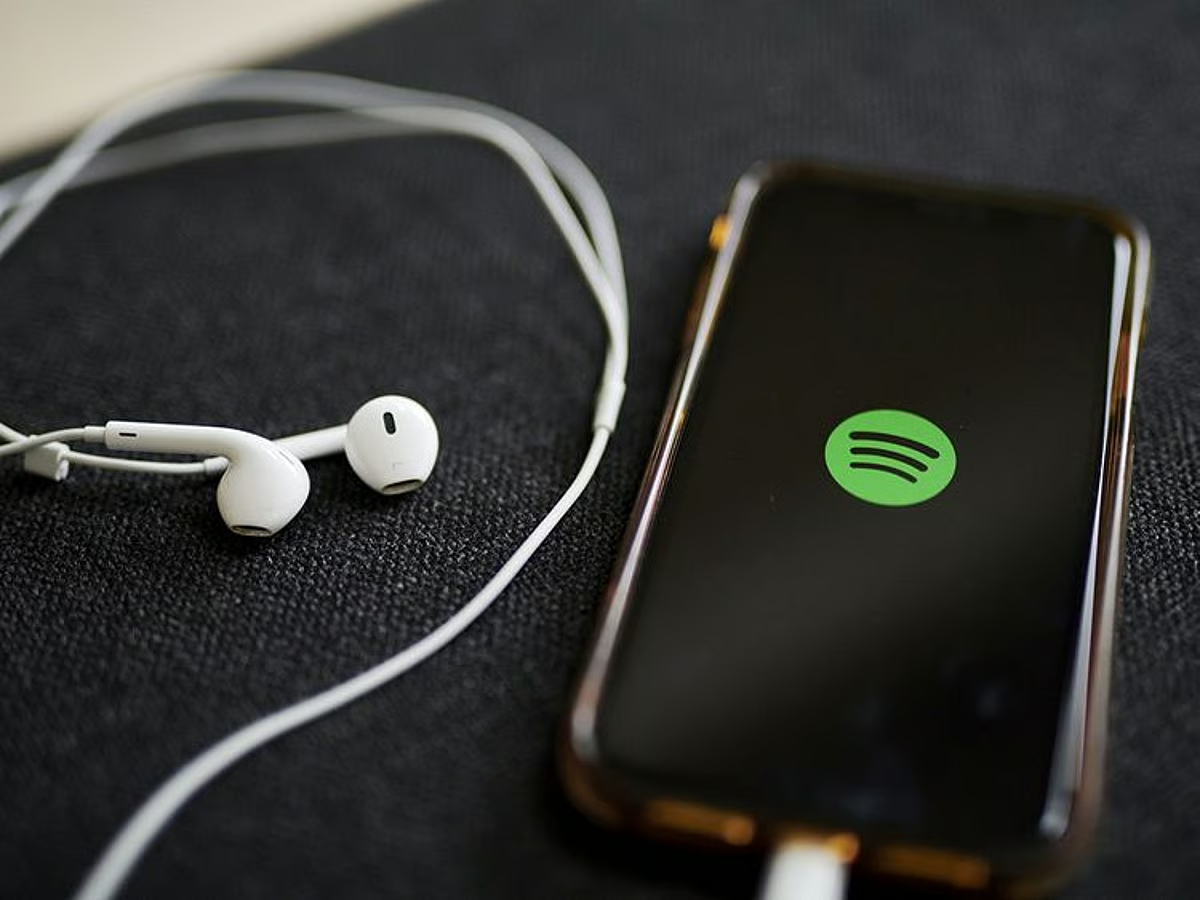

Spotify has announced an increase in the monthly cost of its Premium subscription plans across a majority of its markets. The price hike, impacting individual, duo, family, and student plans, will begin rolling out in May 2024. This marks the first significant price adjustment for Spotify’s Premium service in over a decade, reflecting changes in the music streaming landscape and the company’s investment in content.
The changes will affect users in over 40 countries, including the United States, United Kingdom, and parts of Europe. Existing subscribers will receive notification of the price increase via email, with the new rates being applied to their next billing cycle. The move comes as Spotify continues its push towards profitability and seeks to offer a wider range of audio content beyond music, including podcasts and audiobooks.
Understanding the Spotify Premium Price Increase
The most significant change is to the Individual plan, which will rise from $10.99 to $11.99 per month in the United States. This $1 increase represents roughly a 9% jump in price. The Duo plan, designed for two users living at the same address, will increase from $14.99 to $16.99 monthly.
Family plans, supporting up to six members, will see a rise from $16.99 to $19.99 per month. Student plans, which previously offered a discounted rate, will increase from $5.99 to $6.99 per month, but remain the most affordable option for eligible students. These adjustments are intended to align Spotify’s pricing with the value it provides, according to company statements.
Factors Driving the Change
Several factors contributed to Spotify’s decision to raise Premium prices. Increased costs associated with music licensing agreements are a primary driver. Record labels and publishers continue to demand higher royalties for the use of their content, putting pressure on streaming services’ margins.
Additionally, Spotify has been heavily investing in its podcasting division, acquiring studios like Gimlet and Parcast, and signing exclusive deals with high-profile creators like Joe Rogan. These investments, while expanding Spotify’s content offerings, require substantial financial resources. The company is also expanding into audiobooks, further diversifying its content and increasing operational costs.
Competition within the music streaming market is also a consideration. Apple Music, Amazon Music Unlimited, and YouTube Music all offer Premium tiers with varying features and pricing. Spotify’s price increase appears to be a move to remain competitive while maintaining profitability.
Impact on Subscribers and the Streaming Market
The price increase is likely to prompt some subscribers to reconsider their Premium memberships. Some users may opt to downgrade to Spotify’s free, ad-supported tier, while others may explore alternative streaming services. However, the convenience and features offered by Premium, such as ad-free listening, offline downloads, and higher audio quality, may retain a significant portion of the user base.
Analysts predict a moderate churn rate following the price adjustment, but anticipate that Spotify’s overall subscriber numbers will continue to grow. The company’s strong brand recognition and extensive music library are expected to mitigate the impact of the price hike. The long-term effects on subscriber behavior remain to be seen.
Meanwhile, competitors may use this opportunity to highlight their own pricing structures and attract new customers. Apple Music, for example, offers a family plan at a similar price point to Spotify’s new rate. The competitive landscape could lead to further adjustments in pricing strategies across the industry.
The Future of Music Streaming Subscriptions
This price increase signals a potential shift in the music streaming industry. For years, services have largely avoided raising prices, relying instead on subscriber growth to drive revenue. However, with increasing content costs and a growing need for profitability, further price adjustments are likely. The industry is maturing, and sustainable business models are becoming increasingly important.
The rise of bundled services, such as those offered by mobile carriers or internet providers, could also influence the future of music streaming subscriptions. These bundles often include access to streaming services at a discounted rate, potentially lessening the impact of individual price increases. The trend towards bundling is expected to continue.
In contrast to the price increases for individual plans, Spotify has been experimenting with different subscription tiers, including options with lower audio quality and limited features at a reduced price. This strategy aims to cater to a wider range of users and price sensitivities. The success of these tiered offerings will be a key factor in Spotify’s future growth.
The company is also focused on improving its advertising revenue, particularly on its free tier. More targeted and engaging advertising formats could help offset the impact of subscriber churn and contribute to overall profitability. Spotify’s advertising strategy is evolving.
Looking ahead, Spotify will likely continue to monitor subscriber response to the price increase and adjust its strategies accordingly. The company’s next earnings call in late April will provide further insight into the impact of the changes. The report indicates that the company is also exploring new revenue streams, such as live audio events and virtual concerts, to diversify its income and enhance the user experience. The effectiveness of these initiatives remains uncertain.