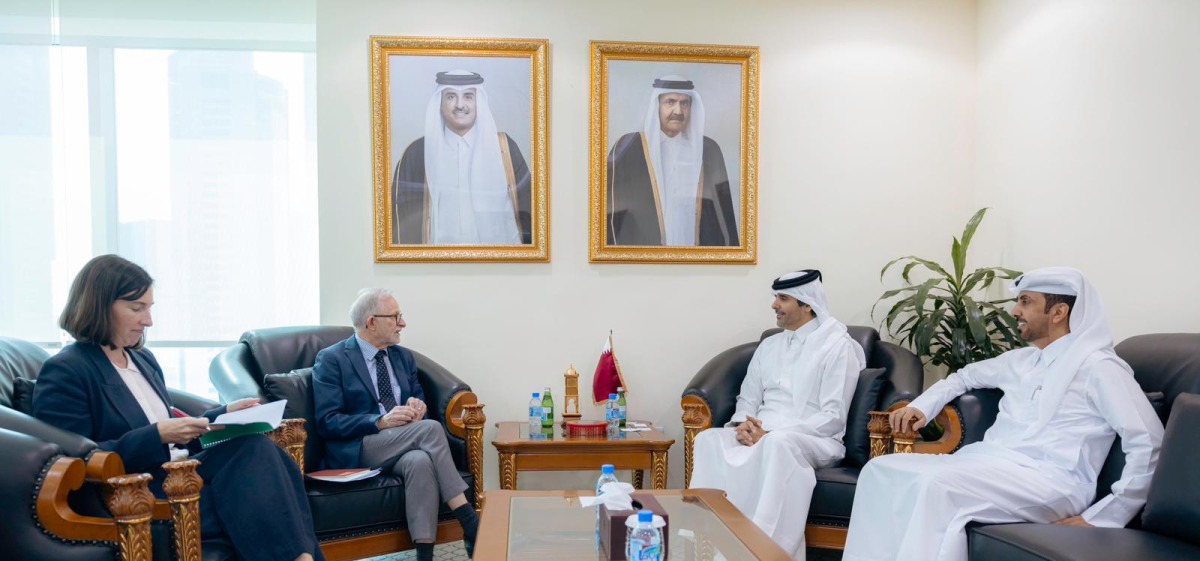

Qatar continues to play a key diplomatic role in addressing complex international challenges, as evidenced by recent meetings between the country’s Special Envoy and representatives from the United Nations and Germany. Discussions focused on the pressing humanitarian situation in Afghanistan and ongoing concerns in the Horn of Africa. These talks, held in Doha, underscore Qatar’s commitment to fostering stability and providing aid in regions facing significant political and economic hardship.
Ambassador Faisal bin Abdullah Al Hanzab, Special Envoy of the Minister of Foreign Affairs, met separately with UN Special Rapporteur on Afghanistan, Richard Bennett, and German Special Envoy for the Horn of Africa, Heiko Nitzschke, on December 5th. The meetings addressed collaborative efforts to alleviate suffering and promote peaceful resolutions to regional conflicts. These engagements are part of a broader pattern of Qatari diplomacy aimed at mediating disputes and supporting international organizations.
Qatar’s Focus on the Humanitarian Situation in Afghanistan
The discussion with UN Special Rapporteur Bennett centered on the deteriorating humanitarian situation in Afghanistan. Since the Taliban regained control in 2021, the country has faced a severe economic crisis, exacerbated by international sanctions and the suspension of aid. This has led to widespread poverty, food insecurity, and limited access to essential services.
Challenges Facing Afghanistan
According to the UN, over two-thirds of Afghanistan’s population requires humanitarian assistance to survive. The country’s healthcare system is on the brink of collapse, and millions of children are out of school. The international community faces the challenge of delivering aid without directly supporting the Taliban regime, which remains unrecognized by most nations.
Qatar has been a significant provider of aid to Afghanistan and has facilitated talks between the Taliban and international actors. The Ministry of Foreign Affairs stated that Qatar is committed to working with the UN to ensure that humanitarian assistance reaches those in need. These efforts include supporting projects focused on food security, healthcare, and education.
The meeting with Bennett likely explored ways to enhance coordination between Qatari and UN initiatives, as well as address obstacles hindering the effective delivery of aid. Qatar’s role as a neutral mediator is seen as crucial in bridging the gap between the Taliban and the international community. The discussions also likely touched upon the human rights concerns within Afghanistan, a key focus of the Special Rapporteur’s mandate.
Meanwhile, Ambassador Al Hanzab’s meeting with German Special Envoy Nitzschke addressed the complex political and security landscape of the Horn of Africa. This region, encompassing countries like Sudan, Ethiopia, and Somalia, is grappling with armed conflicts, political instability, and climate change-induced crises. The situation in Sudan, particularly, remains a major concern with ongoing clashes between the army and paramilitary forces.
The Horn of Africa is also facing a severe drought, leading to widespread displacement and food shortages. Qatar has previously provided humanitarian assistance to countries in the region affected by these crises. The talks with Nitzschke likely focused on identifying opportunities for joint efforts to address the root causes of instability and promote sustainable development. Discussions may have included exploring avenues for conflict resolution and supporting regional peace initiatives.
Additionally, Qatar and Germany share interests in counter-terrorism efforts in the region, and this topic may have been addressed during the meeting. Both countries recognize the importance of addressing the underlying factors that contribute to extremism, such as poverty, lack of education, and political marginalization. The German envoy’s visit signals a continued interest in collaboration with Qatar on regional security matters.
In contrast to the immediate focus on humanitarian aid in Afghanistan, the Horn of Africa discussions appear to have taken a broader approach, encompassing political, security, and development challenges. This reflects the multifaceted nature of the crises in the region and the need for a comprehensive strategy to address them. The meetings highlight Qatar’s willingness to engage with a diverse range of international partners to tackle global issues.
Looking ahead, continued dialogue between Qatar, the UN, and other key stakeholders will be essential in navigating the challenges in both Afghanistan and the Horn of Africa. The effectiveness of these efforts will depend on the ability to overcome political obstacles and ensure that aid reaches those who need it most. Further developments regarding increased aid pledges and potential diplomatic breakthroughs are expected in the coming months, particularly as the winter season exacerbates the humanitarian situation in Afghanistan and the drought conditions worsen in parts of the Horn of Africa. Monitoring the impact of these discussions on the ground will be crucial in assessing their long-term success.
The ongoing political instability in both regions presents a significant hurdle to lasting solutions.
Qatar’s mediation efforts and international cooperation remain vital for addressing these complex crises.