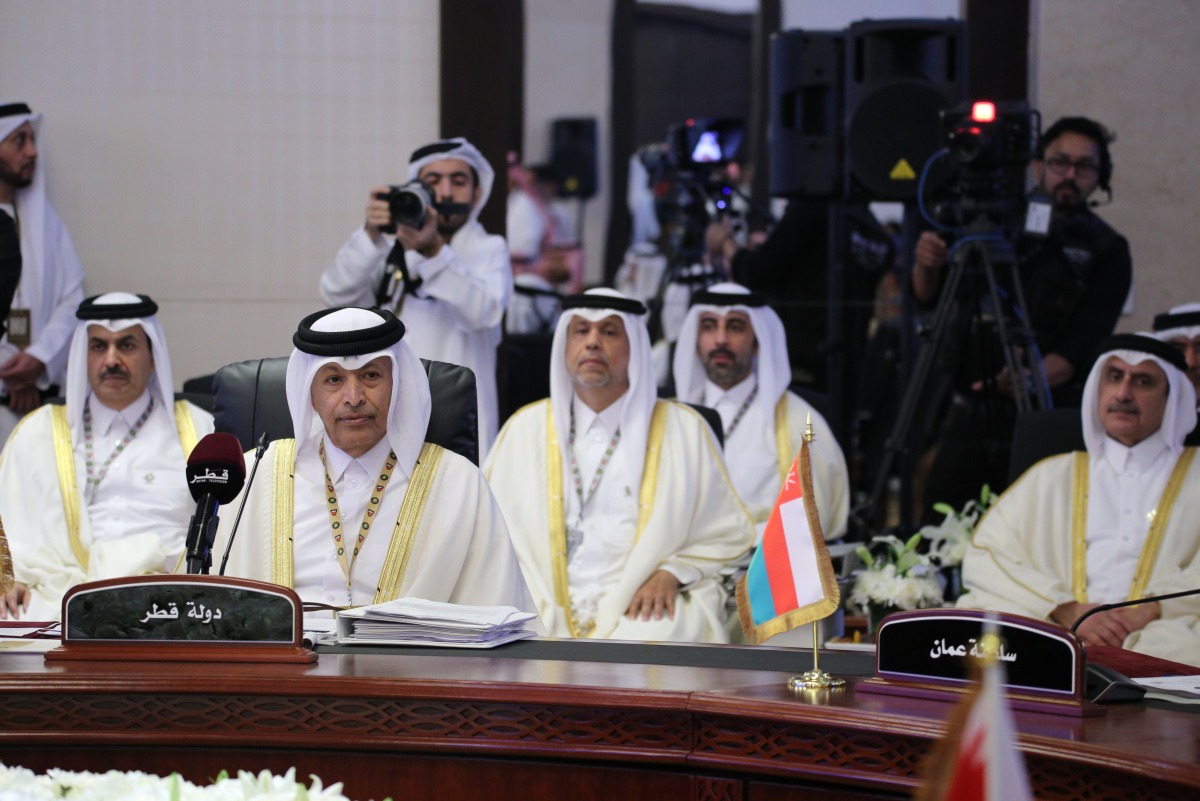

The State of Qatar’s commitment to Gulf unity was reaffirmed by Speaker of the Shura Council H E Hassan bin Abdullah Al Ghanim at the 19th meeting of the Speakers of the Shura, Representatives, National, and Ummah Councils of the Gulf Cooperation Council (GCC) countries in Manama, Bahrain. The meeting underscored the importance of Gulf parliamentary coordination in addressing regional and global challenges.
During his address, Al Ghanim highlighted that the deep-rooted fraternal ties among GCC countries transcend geographical boundaries and immediate interests, rooted in profound historical, cultural, and social relations. He emphasized that Gulf legislative councils have proven to be a powerful voice for Gulf unity through their regular meetings and ongoing coordination.
Gulf Parliamentary Coordination: A Cornerstone of Regional Stability
Gulf parliamentary coordination is crucial for addressing the increasing political, economic, and security challenges facing the region. According to Al Ghanim, joint parliamentary action is a necessity, not an option, to defend the interests of GCC states and their people. The continued convening of GCC meetings reflects a shared understanding of the importance of parliamentary coordination and unifying positions on major issues.
The GCC countries have demonstrated their commitment to unified Gulf policies and positions on various regional and international issues. The State of Qatar, under the leadership of Amir H H Sheikh Tamim bin Hamad Al-Thani, has been at the forefront of promoting Gulf unity and cooperation. The Doha Declaration issued by the Second World Summit for Social Development, hosted by Qatar, called for achieving more equitable and sustainable development based on eradicating poverty and promoting social justice.
Regional and International Implications
On the regional front, Al Ghanim stressed that Gulf security is indivisible, and the security of any member state is the security of all. He addressed the tragic situation in the Gaza Strip, reaffirming Qatar’s principled stance on supporting the Palestinian people and condemning the Israeli occupation’s crimes against innocent civilians. The GCC states have shown solidarity with Qatar following the Israeli aggression against its territory, embodying the depth of Gulf unity and shared destiny.
The Speaker of the Shura Council also emphasized the need to activate Gulf parliamentary diplomacy and strengthen dialogue and coordination with Arab and Islamic legislative councils. This will enable the formulation of a unified vision that reflects collective positions and supports the goals of GCC states in achieving security, stability, and sustainable development.
Future Directions for Gulf Cooperation
The strength of the Gulf position in international forums stems from unity and the ability to present a consistent message that reflects the aspirations of the people and defends shared values. As the GCC countries continue to navigate regional and global challenges, their commitment to Gulf parliamentary coordination will be crucial in shaping their collective response. The next steps in Gulf cooperation are expected to be discussed at future meetings, with a focus on strengthening parliamentary diplomacy and promoting regional stability.
Observers will be watching for developments in the GCC’s efforts to promote Gulf unity and cooperation, particularly in light of the ongoing regional and international challenges. The outcome of future meetings will likely shape the trajectory of Gulf parliamentary coordination and its impact on regional stability and security.