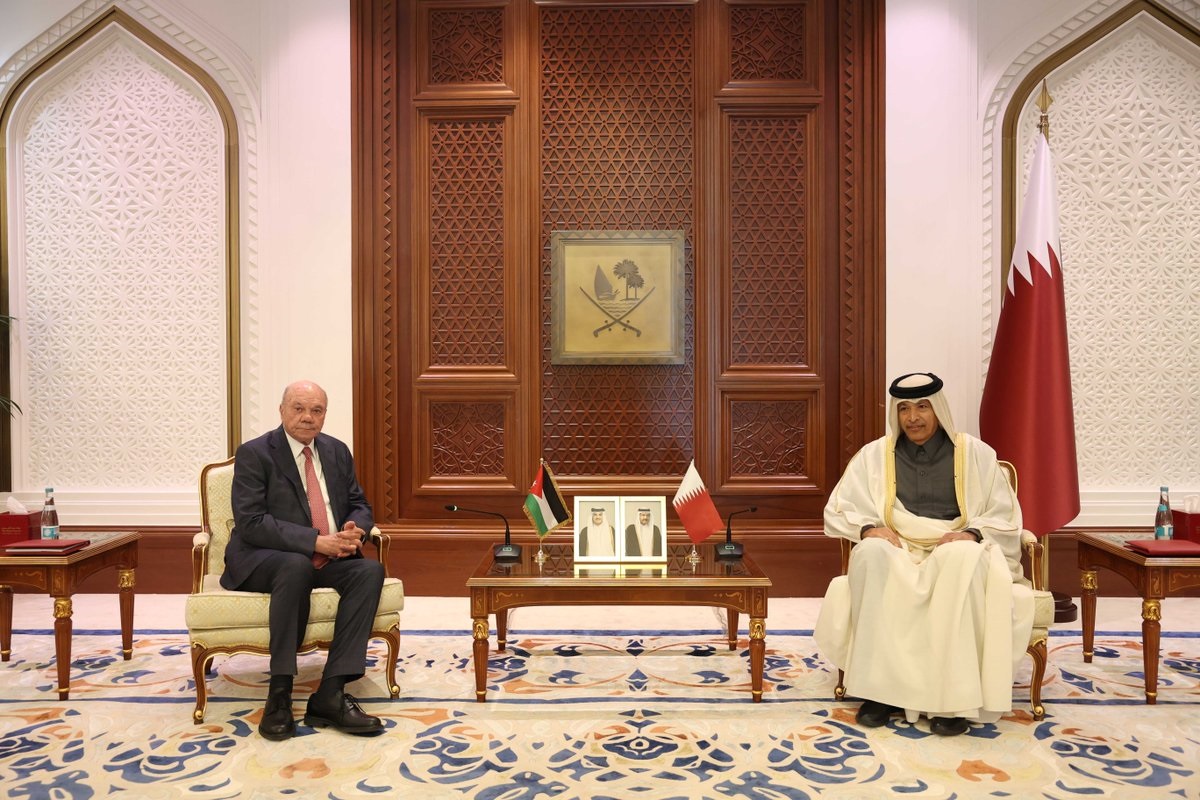

Doha, Qatar – High-level discussions focused on bolstering Qatari-Jordanian relations and addressing regional challenges, particularly the ongoing crisis in Gaza, took place Sunday between Qatar’s Shura Council Speaker, HE Hassan bin Abdullah Al Ghanim, and the President of the Jordanian Senate, HE Faisal El-Fayez. The meeting underscores the continued strategic partnership between the two nations and a joint commitment to parliamentary cooperation. This visit signals a deepening of ties amid complex geopolitical dynamics in the Middle East.
The Jordanian Senate President is currently visiting Qatar for talks aimed at strengthening bilateral ties. The discussions reportedly covered a wide range of shared concerns, emphasizing the importance of coordinated efforts within regional and international parliamentary forums. Both sides reiterated their dedication to maintaining stability and promoting peaceful resolutions to conflicts.
Strengthening Qatar-Jordanian Relations Through Parliamentary Cooperation
According to statements released following the meeting, HE Al Ghanim highlighted the robust and evolving relationship between Qatar and Jordan, particularly noting the significance of collaboration within the parliamentary sphere. He affirmed the Shura Council’s dedication to fostering constructive cooperation and joint coordination to best serve the interests of both countries and their citizens. This commitment extends to sharing expertise and facilitating reciprocal visits between council members.
HE El-Fayez, in turn, commended Qatar’s proactive role in regional and international affairs. He specifically praised Qatar’s contributions to security, peace, and sustainable development, citing its mediation efforts and diplomatic focus on dialogue. The Jordanian leader expressed a strong desire to expand parliamentary cooperation and intensify consultations on issues of mutual concern, including economic development and regional security.
Focus on the Humanitarian Crisis in Gaza
A significant portion of the conversations centered on the escalating humanitarian situation in Gaza and the occupied Palestinian territories. Both leaders stressed the moral and humanitarian responsibility of legislative bodies, like the Shura Council and the Jordanian Senate, to advocate for an end to the suffering of the Palestinian people. They called for effective action to alleviate the crisis and achieve a just and lasting peace.
The discussion specifically addressed the need for international and regional parliamentary efforts to support Palestinians in realizing their legitimate rights, most importantly the establishment of an independent state based on the 1967 borders, with East Jerusalem as its capital. This position aligns with broader Arab consensus on the Palestinian issue and international law. The need for a two-state solution was also likely discussed, given Jordan’s historical custodianship of holy sites in Jerusalem.
Additionally, the meeting provided an opportunity to explore the work methodologies of the Qatari Shura Council. HE El-Fayez toured the Shura Council building, including the Tamim bin Hamad Hall, where he received a briefing on the council’s operational mechanisms and the advanced technologies employed in managing sessions and overall council activities. This exchange of knowledge could contribute to modernizing parliamentary practices in both nations.
The importance of streamlined diplomatic ties between the two nations was a recurring theme throughout the conversations. This comes as both countries navigate a complex geopolitical landscape and aim to enhance their influence on regional stability. The meeting also underscored the shared interest in promoting regional stability and overcoming common challenges, such as economic fluctuations and security threats.
Looking ahead, both the Shura Council and the Jordanian Senate are expected to continue their dialogue and explore concrete avenues for enhanced collaboration. A key area to watch will be the development of joint initiatives in regional parliamentary forums. The timing of further meetings and the specific focus of future collaborations remain uncertain, dependent on developments in the region and ongoing diplomatic efforts.
While no immediate policy changes were announced, this high-level engagement highlights a continued commitment to strong bilateral partnerships and a unified stance on critical regional issues.