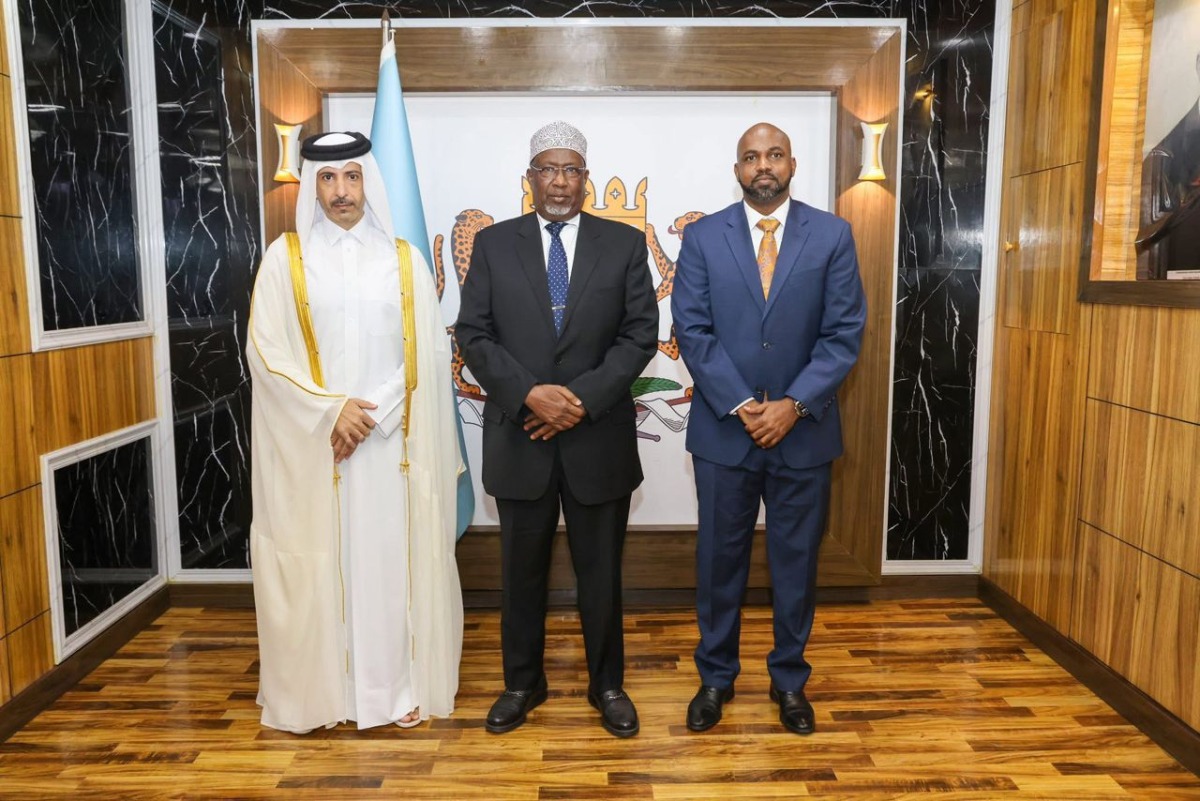

The Speaker of the House of the People of Somalia, Sheikh Adan Mohamed Nur Madobe, recently held discussions with the State of Qatar’s Ambassador to Somalia, Dr. Abdullah bin Salem Al Nuaimi, focusing on strengthening Somalia-Qatar relations. The meeting, which took place on December 11, 2023, addressed current and potential avenues for increased collaboration between the two nations. These talks signal continued diplomatic engagement between Qatar and Somalia, particularly in areas of economic development and political stability.
The meeting occurred in Mogadishu, Somalia, and involved a comprehensive review of existing bilateral agreements. Both officials emphasized their commitment to fostering a mutually beneficial partnership. Details released by the Peninsula Qatar indicate the conversation centered on cooperation, though specific projects were not immediately disclosed.
Strengthening Somalia-Qatar Relations Through Dialogue
Qatar has been a significant partner in Somalia’s development for several years, providing aid and investment in key sectors. This latest meeting underscores Qatar’s ongoing interest in supporting Somalia’s reconstruction efforts following decades of conflict. The discussions likely covered a range of topics, including infrastructure projects, humanitarian assistance, and security cooperation.
Qatar’s Role in Somali Infrastructure
Qatar has previously invested in infrastructure projects within Somalia, including road construction and port development. These investments are crucial for improving trade and economic activity within the country. Further collaboration in this area could significantly boost Somalia’s economic growth, according to analysts at the International Crisis Group.
Humanitarian Aid and Development Programs
Beyond infrastructure, Qatar provides substantial humanitarian aid to Somalia, addressing issues such as drought, famine, and displacement. This aid is often channeled through Qatari organizations like Qatar Charity, which have a strong presence on the ground. The need for continued humanitarian support remains high, given the ongoing challenges facing the Somali population.
The Federal Republic of Somalia is currently navigating a complex political landscape, battling ongoing security threats from al-Shabaab and facing challenges in establishing a fully functional government. Qatar’s diplomatic and financial support is seen by many as vital for stabilizing the country and promoting long-term development. This support aligns with Qatar’s broader foreign policy objectives in the Horn of Africa, which prioritize regional stability and economic cooperation.
Meanwhile, Qatar is actively diversifying its international partnerships, seeking to strengthen ties with countries across Africa and the Middle East. This strategy is driven by economic considerations and a desire to enhance Qatar’s regional influence. Somalia, with its strategic location and abundant natural resources, represents an important partner in this endeavor.
However, Qatar’s involvement in Somalia has not been without scrutiny. Some observers have raised concerns about the potential for political interference and the lack of transparency in certain aid agreements. These concerns highlight the importance of ensuring that all forms of assistance are delivered in a manner that respects Somalia’s sovereignty and promotes good governance. The ongoing political stability in Somalia is a key factor in attracting further investment.
In contrast to some Western nations, Qatar has maintained a consistent level of engagement with Somalia, even during periods of heightened instability. This consistent approach has fostered a strong sense of trust and cooperation between the two countries. The relationship is also bolstered by shared cultural and religious ties, which facilitate people-to-people exchanges and understanding.
The meeting between Sheikh Adan Mohamed Nur Madobe and Dr. Abdullah bin Salem Al Nuaimi comes at a critical juncture for Somalia, as the government continues to grapple with numerous challenges. The discussions are expected to pave the way for new agreements and initiatives aimed at addressing these challenges and fostering sustainable development. Further details regarding specific commitments are anticipated in the coming weeks, potentially coinciding with planned visits from Qatari officials. The future of bilateral trade between the two nations is also expected to be a topic of continued discussion.
Looking ahead, the implementation of any agreements reached will be crucial. Monitoring the impact of Qatari investment and aid on Somalia’s economic and political landscape will be essential. The situation remains fluid, and the success of this partnership will depend on continued dialogue, mutual respect, and a shared commitment to achieving lasting stability and prosperity in Somalia.