


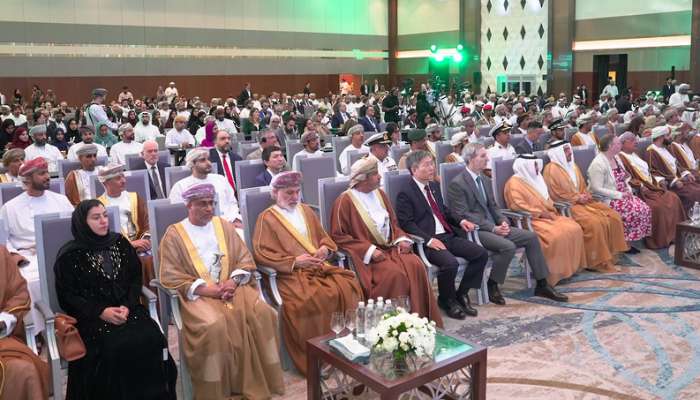

The recently concluded Middle East Space Conference 2026 in Muscat, Oman, has laid out a compelling roadmap for the future of the space sector in the region. The conference, which wrapped up on Wednesday, delivered a set of strategic recommendations focused on fostering growth, attracting investment, and building robust national capabilities. These insights, born from extensive discussions involving government officials, private sector leaders, and academic experts, signal a pivotal moment for space exploration and utilization in the Middle East. The focus on space sector development is particularly noteworthy, given the region’s increasing ambition in this field.
Strategic Recommendations for the Middle East Space Sector
The core outcome of the Middle East Space Conference 2026 is a clear set of recommendations designed to propel the region’s space ambitions forward. These aren’t simply aspirational goals; they are actionable strategies addressing key areas of governance, regulation, investment, and technological advancement. The conference participants recognized the need for a coordinated and forward-thinking approach to capitalize on the immense potential of space technologies.
Strengthening Institutional Governance and Regulation
A central theme throughout the conference was the necessity for establishing clear and transparent institutional governance within the space sector. This framework is crucial for building trust among stakeholders – both domestic and international – and, consequently, attracting the significant investment required for sustainable growth. Without a solid foundation of governance, potential investors may be hesitant to commit resources to long-term space projects.
Furthermore, the recommendations emphasized the development of a flexible and responsive legislative and regulatory environment. The pace of innovation in space technology is incredibly rapid, and regulations must be able to adapt to new advancements and evolving business models. Outdated or overly restrictive regulations could stifle innovation and hinder the region’s ability to compete on a global scale. This includes considerations for space technology licensing and operational procedures.
Investing in National Capabilities and Partnerships
The conference underscored that long-term success hinges on investing in human capital and fostering indigenous technological expertise. This means expanding training and qualification programs, facilitating the transfer of knowledge and technology, and actively promoting STEM education within the region. Building a skilled workforce is essential for not only participating in the global space economy but also for leading it.
However, the recommendations also acknowledged the importance of collaboration. Expanding strategic regional and international partnerships, based on the integration of technology, capital, and knowledge, is vital. No single nation can realistically achieve all of its space goals in isolation. Partnerships allow for the sharing of resources, expertise, and risks, accelerating progress and maximizing impact.
Government’s Role in Market Growth
The Middle East Space Conference 2026 highlighted a proactive role for governments in stimulating market growth within the space sector. Specifically, the conference advocated for government procurement policies that prioritize space services and applications provided by national companies. This would create a guaranteed market for these companies, enabling them to refine their solutions, build a strong track record, and become more competitive internationally.
Beyond direct procurement, governments were encouraged to leverage space applications to address critical national priorities. These include areas such as urban planning, ensuring food and water security, improving disaster management capabilities, monitoring the environment, optimizing transportation networks, and developing smart cities. By demonstrating the tangible benefits of space technology, governments can further drive demand and investment.
Concrete Outcomes and Future Outlook
The three-day conference wasn’t just about discussion; it resulted in tangible commitments. Organized by the Ministry of Transport, Communications and Information Technology, the event witnessed the signing of five ambitious agreements in the space sector, signaling a concrete move towards implementation of the discussed strategies. These agreements likely cover areas such as joint research projects, technology transfer initiatives, and commercial partnerships.
The 17 panel discussions and specialized dialogues held during the conference provided a platform for in-depth exploration of the challenges and opportunities facing the regional space sector development. Topics ranged from satellite communications and Earth observation to space tourism and the legal aspects of space activities. The breadth of these discussions demonstrates the comprehensive nature of the region’s space ambitions.
Looking Ahead: A New Era for Space in the Middle East
The Middle East Space Conference 2026 represents a significant step forward in the region’s journey to becoming a major player in the global space arena. The strategic recommendations issued by the conference provide a clear and actionable framework for achieving this goal. Successful implementation will require sustained commitment from governments, the private sector, and academic institutions.
The emphasis on building national capabilities, fostering international partnerships, and creating a supportive regulatory environment positions the region for long-term success. As investment flows in and technological expertise grows, we can expect to see a surge in innovative space applications that address critical regional challenges and contribute to economic diversification. The future of space technology in the Middle East looks brighter than ever, and the momentum generated by this conference will undoubtedly play a key role in shaping that future.
To learn more about the initiatives discussed and the agreements signed, please visit the Ministry of Transport, Communications and Information Technology website. We encourage continued dialogue and collaboration to ensure the sustainable and equitable development of the space sector for the benefit of all.